Bird Cage Setup Guide
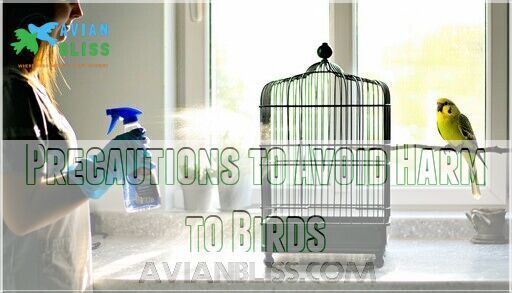
Fumes: Birds' respiratory tracts are very sensitive to chemical fumes (including gasoline, pesticides, perfumes, and other sprays). Always keep an eye on your bird to prevent accidents and keep it safe when it's out of its cage. Make sure to close windows and doors before letting your bird out.

This particular example perfectly highlights why Birdcage Safety Precautions For Pet Birds is so captivating.
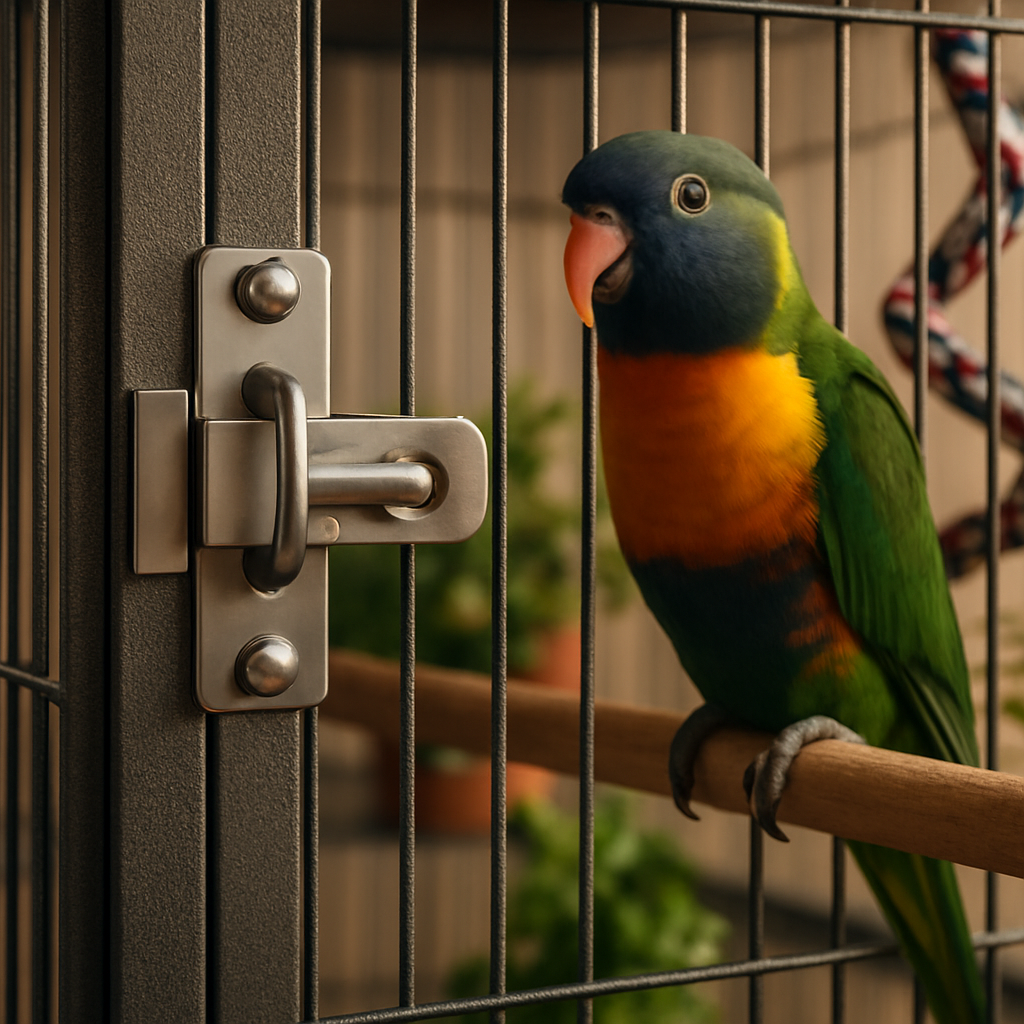
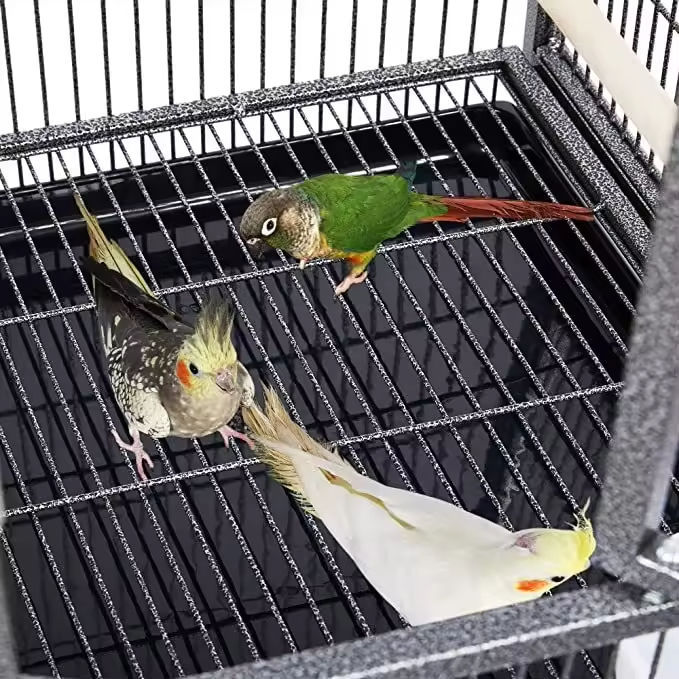
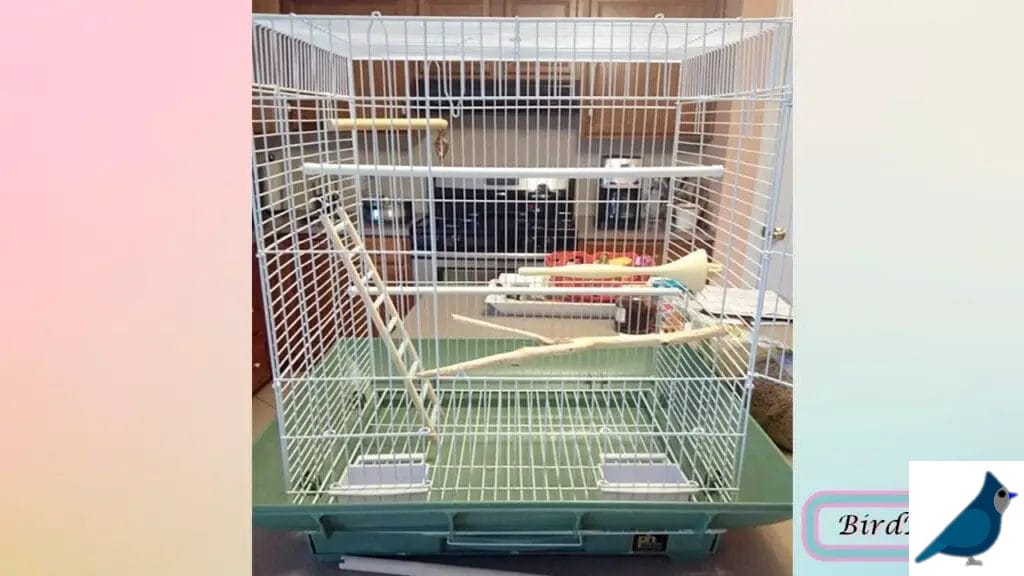
Ensure Bird Cage Safety with Proper Bar Spacing

As we can see from the illustration, Birdcage Safety Precautions For Pet Birds has many fascinating aspects to explore.
Learn how to measure and maintain safe bar spacing in bird cages to prevent entrapment, injury, and health problems. Discover guidelines for choosing a cage and additional safety tips.
For the purposes of these Guidelines pet birds are defined as all seed and nectar feeding birds that may legally be kept in a state of captivity and spend all or part of their time housed in cages1. Other types of birds , for example, insectivorous and birds of prey, waterfowl, ratites, pigeons used for racing, poultry, pheasants or quail used for the commercial production of meat or eggs, have ...
Additional Notes on Birdcage Safety Precautions For Pet Birds
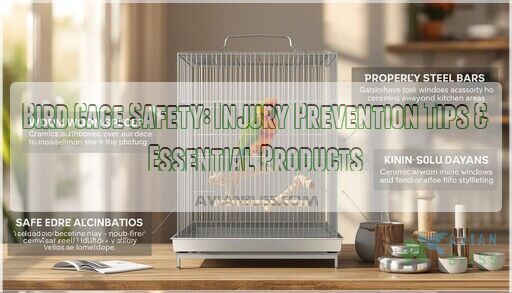
Bird Cage Safety: Injury Prevention Tips & Essential Products. It gives the article a little more context before the image collection begins.
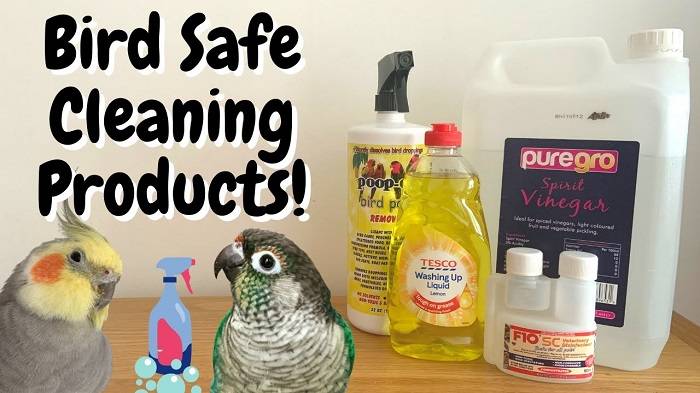
Best Bird Cage Cleaning Products: Top 10 Picks for Spotless Cages. This note connects the source idea with the visuals in a simple, reader-friendly way.
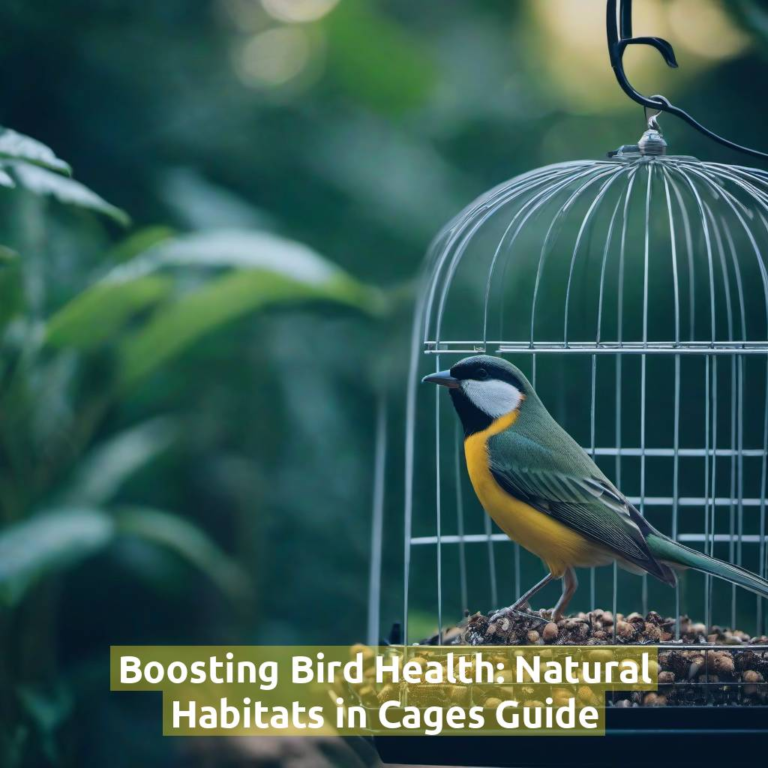
Safe Materials for Bird Cages. It works as a short bridge between the article summary and the gallery section.
Looking at multiple sources also helps separate the main idea from small decorative details.
These notes are added so the page offers more than images and gives each visitor a clearer reason to keep reading.