Environmental Risk Factors for Pediatric Acute Leukemia
Acute leukemia is the most common type of malignancy in children, and no major environmental risk factors have been identified relating to its pathogenesis. This study has been conducted with the aim for identifying risk factors associated with this ...
These results suggest that early-life exposure to MeFOSAA may play a critical role in childhood ALL development, implicating PFAS as potential environmental risk factors for pediatric leukemia .

International Journal of Preventive Medicine
Background: Acute leukemia is the most common type of malignancy in children, and no major environmental risk factors have been identified relating to its pathogenesis. This study has been conducted with the aim for identifying risk factors associated with this disease. Methods: This study was conducted in 2016-2020 among children aged <15 years residing in Isfahan Province, Iran. Children ...

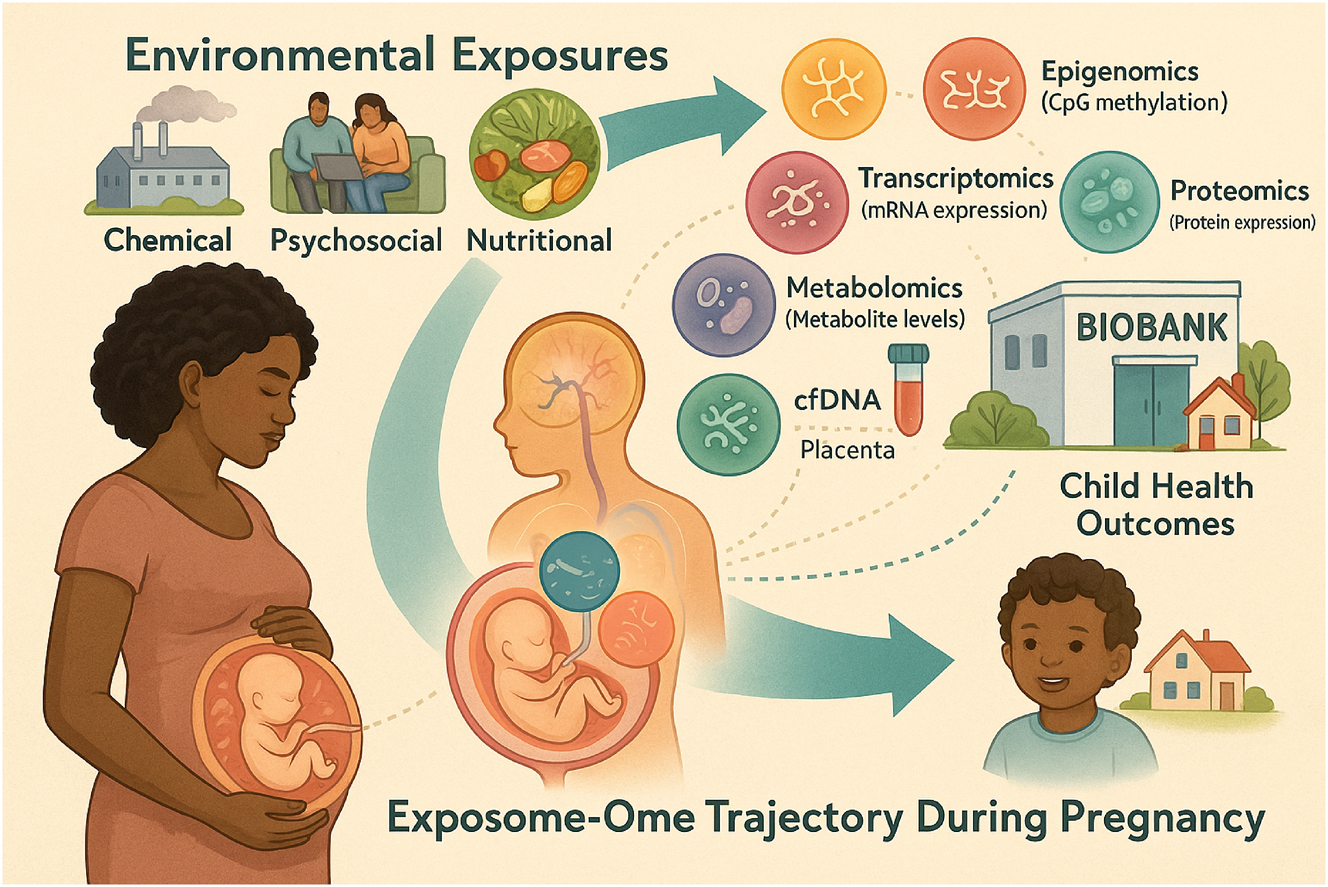
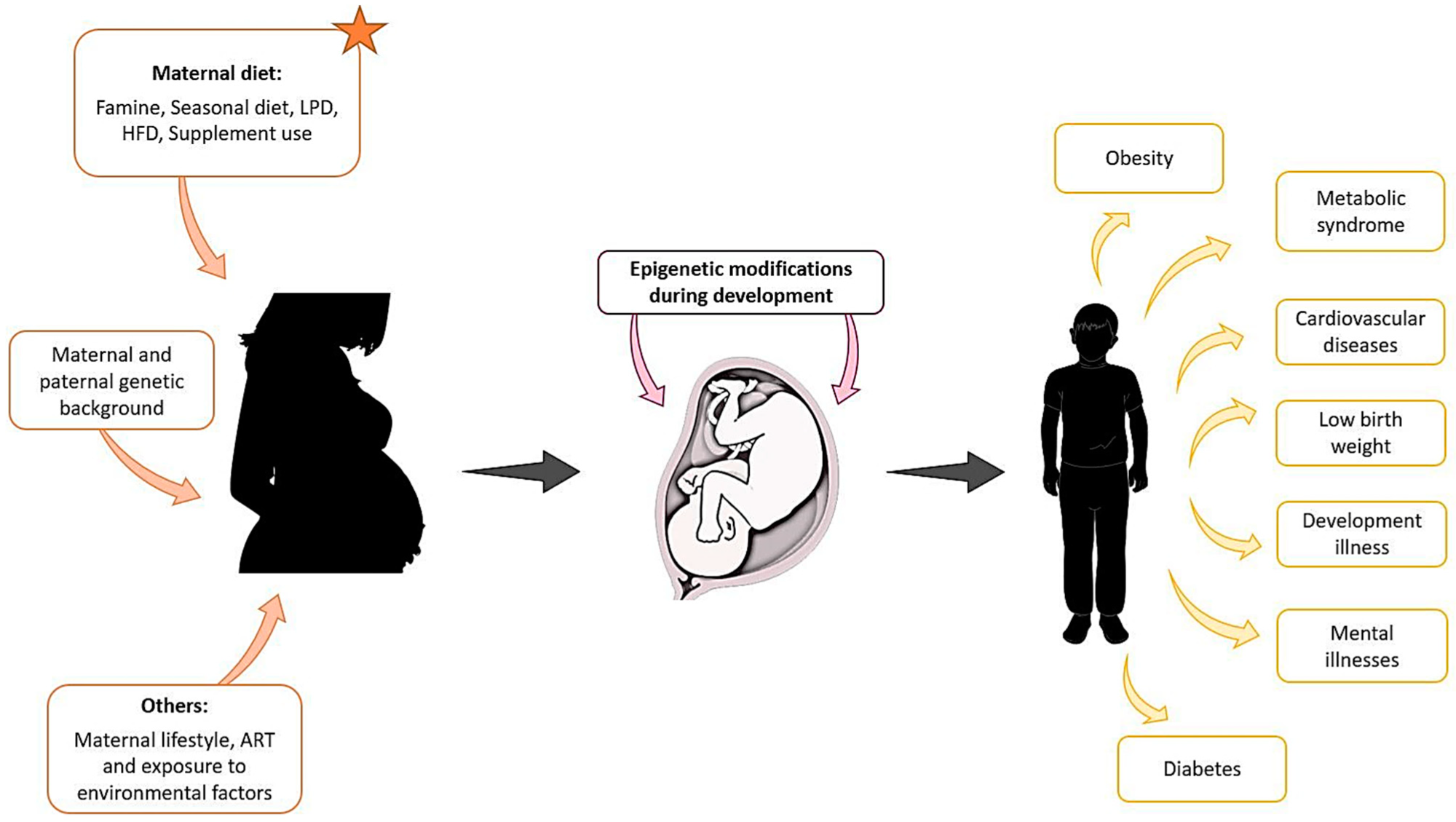
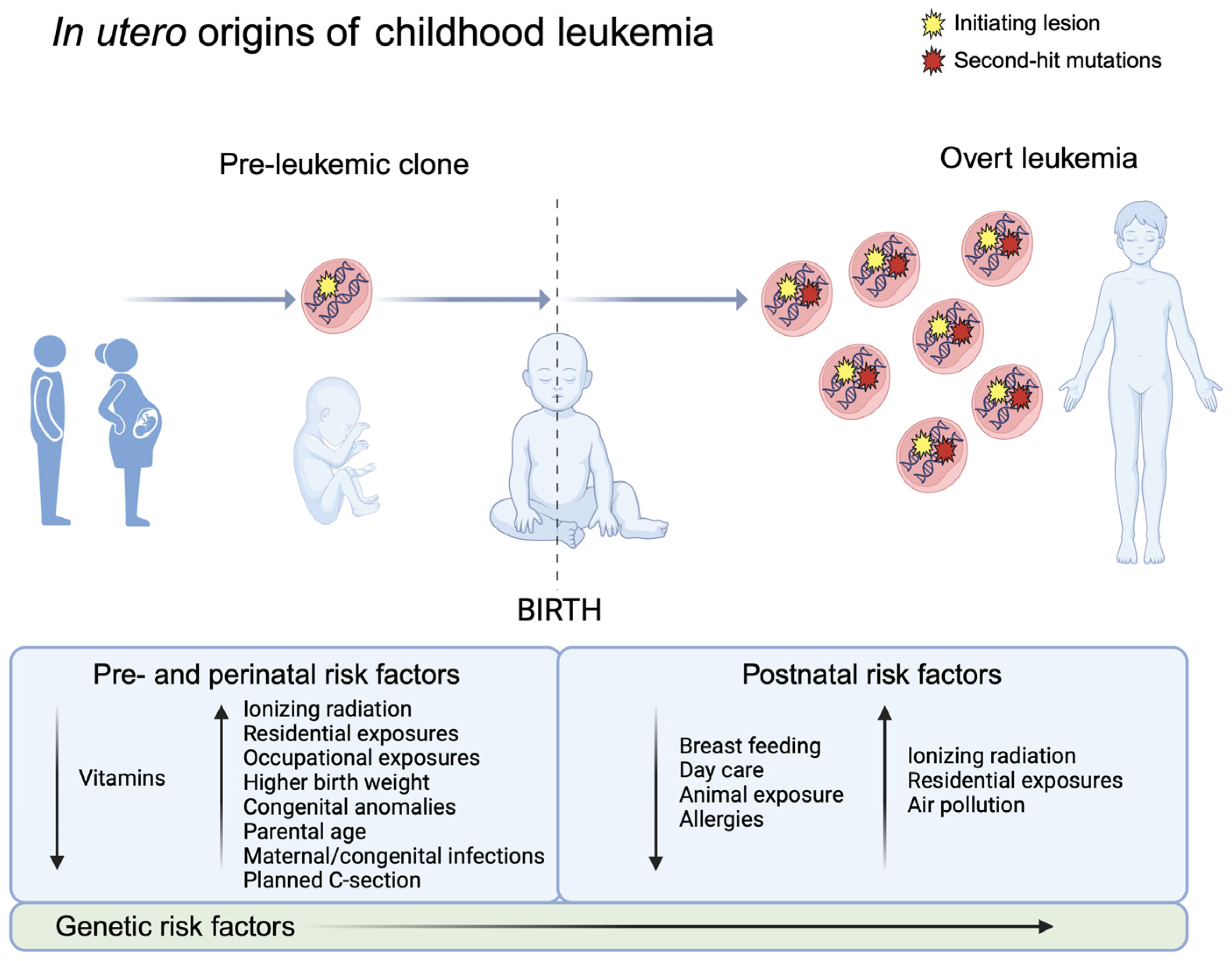
This particular example perfectly highlights why Fetal Leukemia Environment Risk is so captivating.
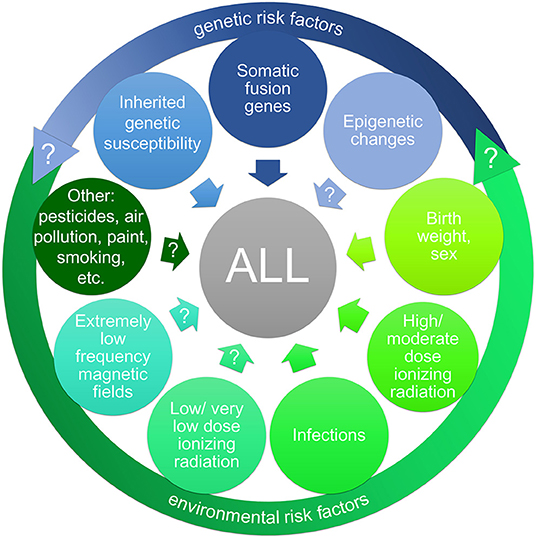
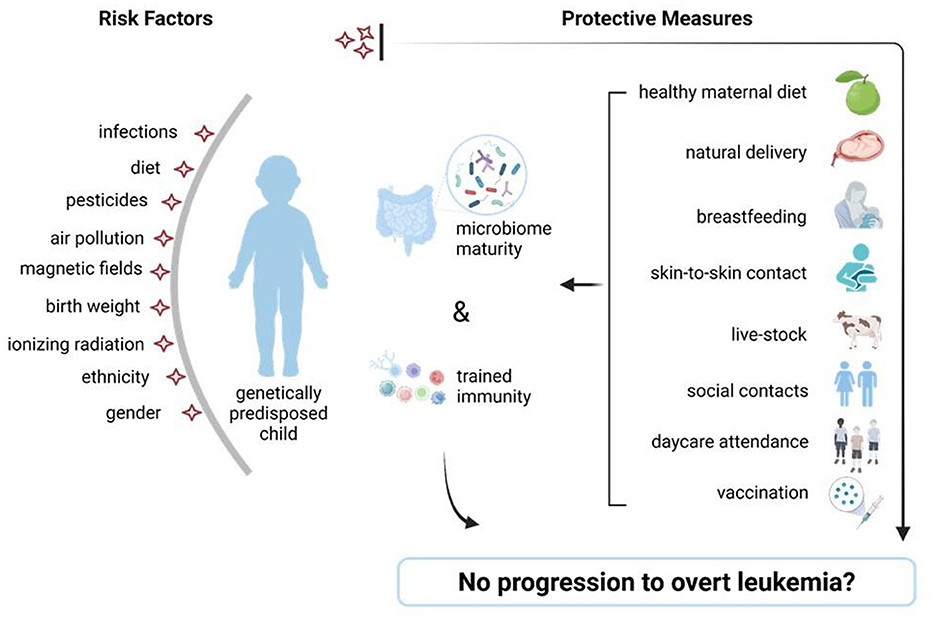
In conclusion, although childhood leukemia shows some distinct incidence patterns by sex, age, and geography suggesting a role of the environment in its etiology, no major environmental risk factors including radiation have been established as major contributors to the global childhood leukemia burden.
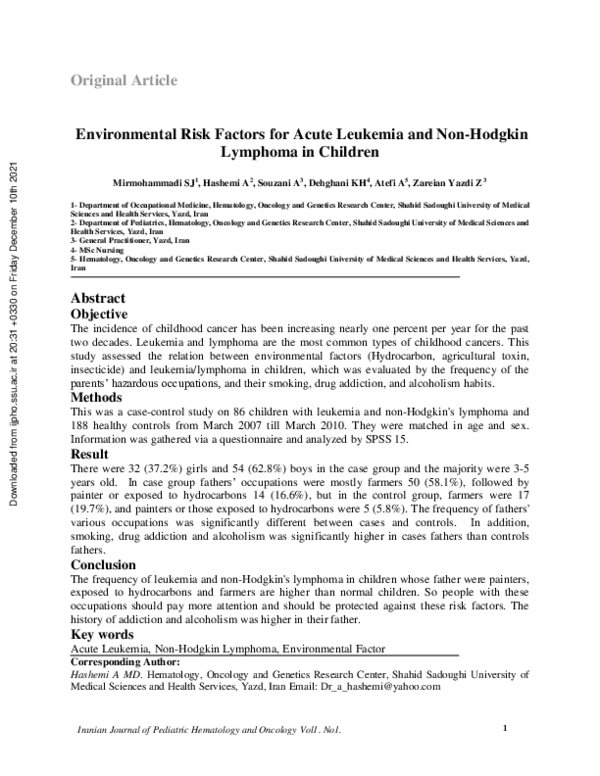
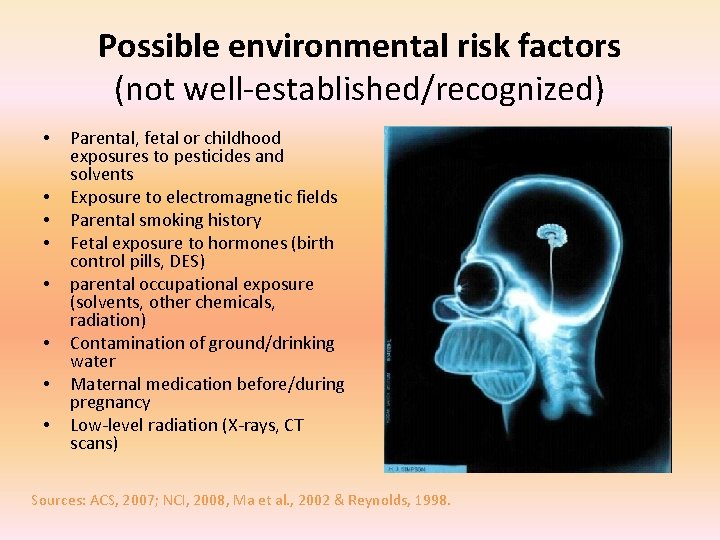
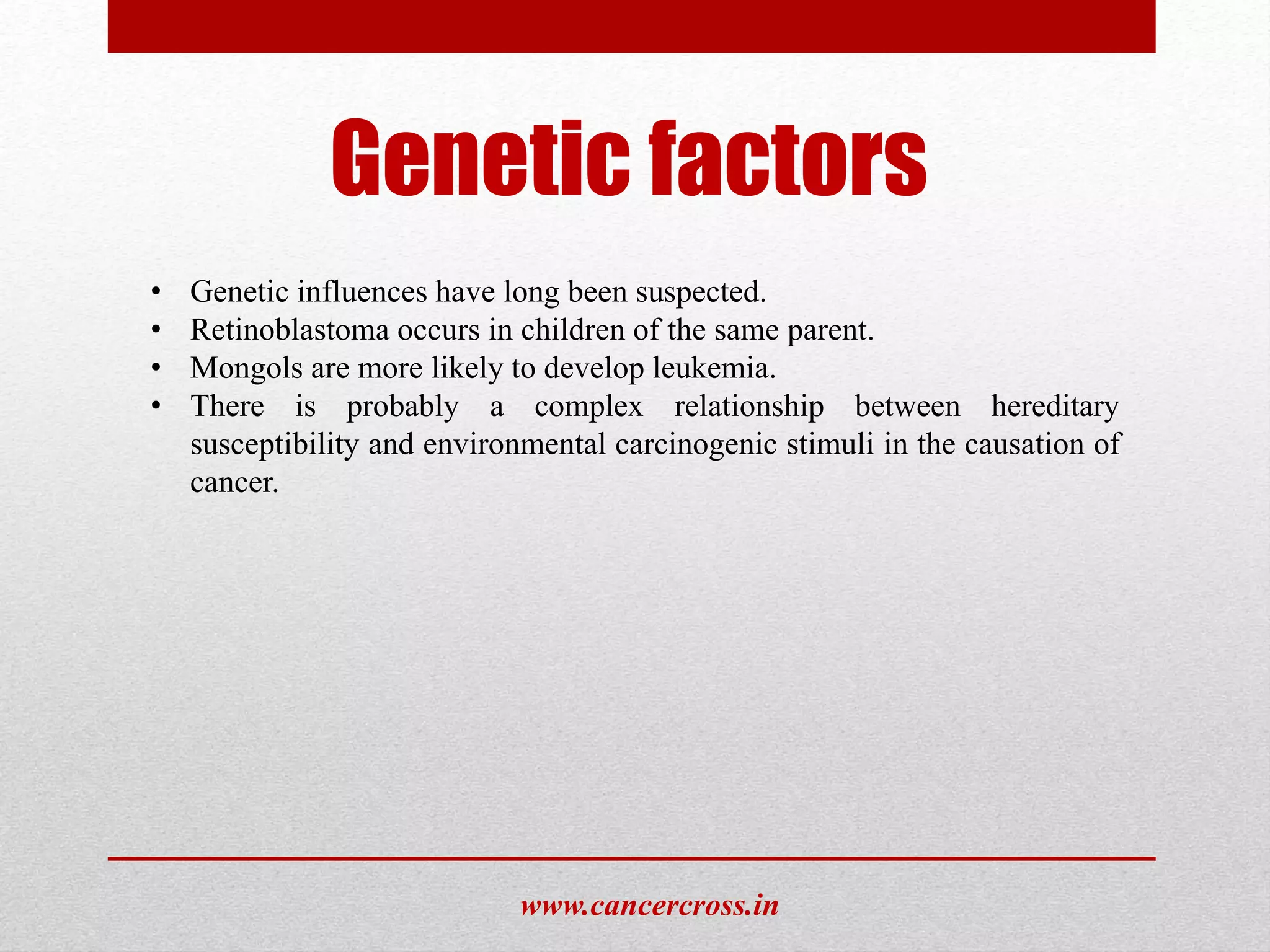
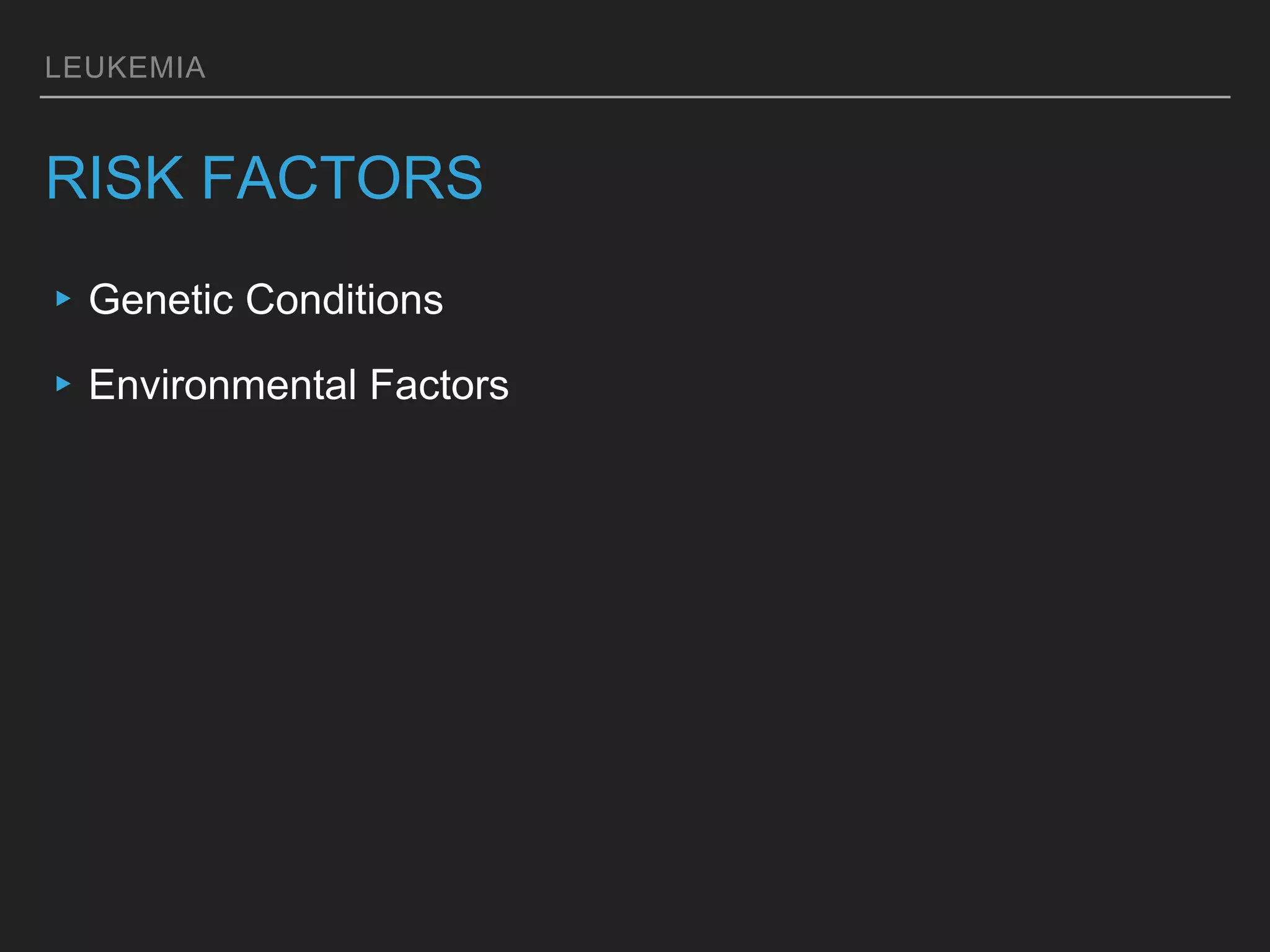
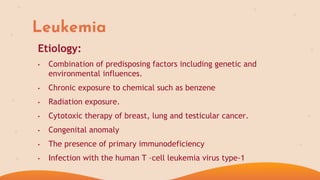
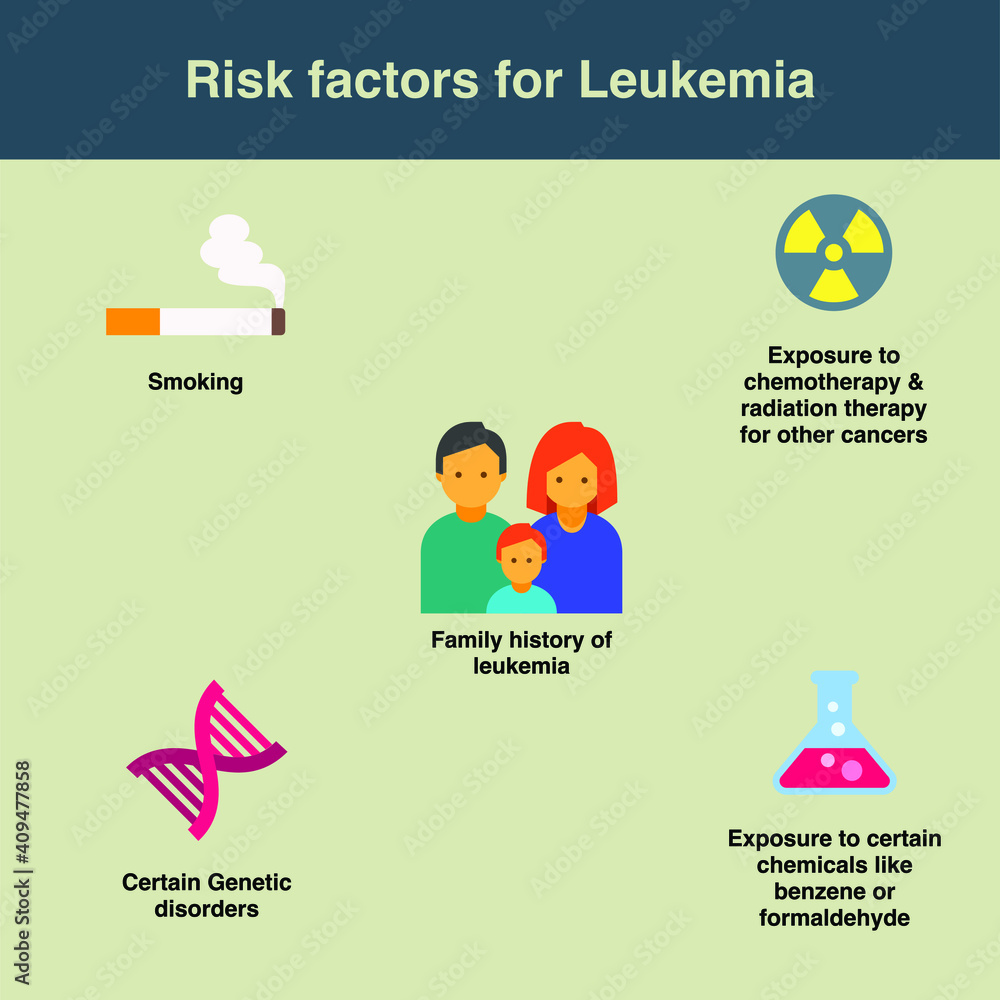
Leukemia is multifactorial: a range of non-genetic risk factors—such as radiation and pesticide exposure, parental smoking and alcohol use, certain chemicals and chemotherapy, blood and immune disorders, and exposure to electromagnetic fields—are linked to higher childhood leukemia risk . There is particular strong evidence for the impact of early-life ionizing radiation and maternal ...
Additional Notes on Fetal Leukemia Environment Risk
Almost all infant/neonatal leukemias and most of childhood leukemias. This note connects the source idea with the visuals in a simple, reader-friendly way.
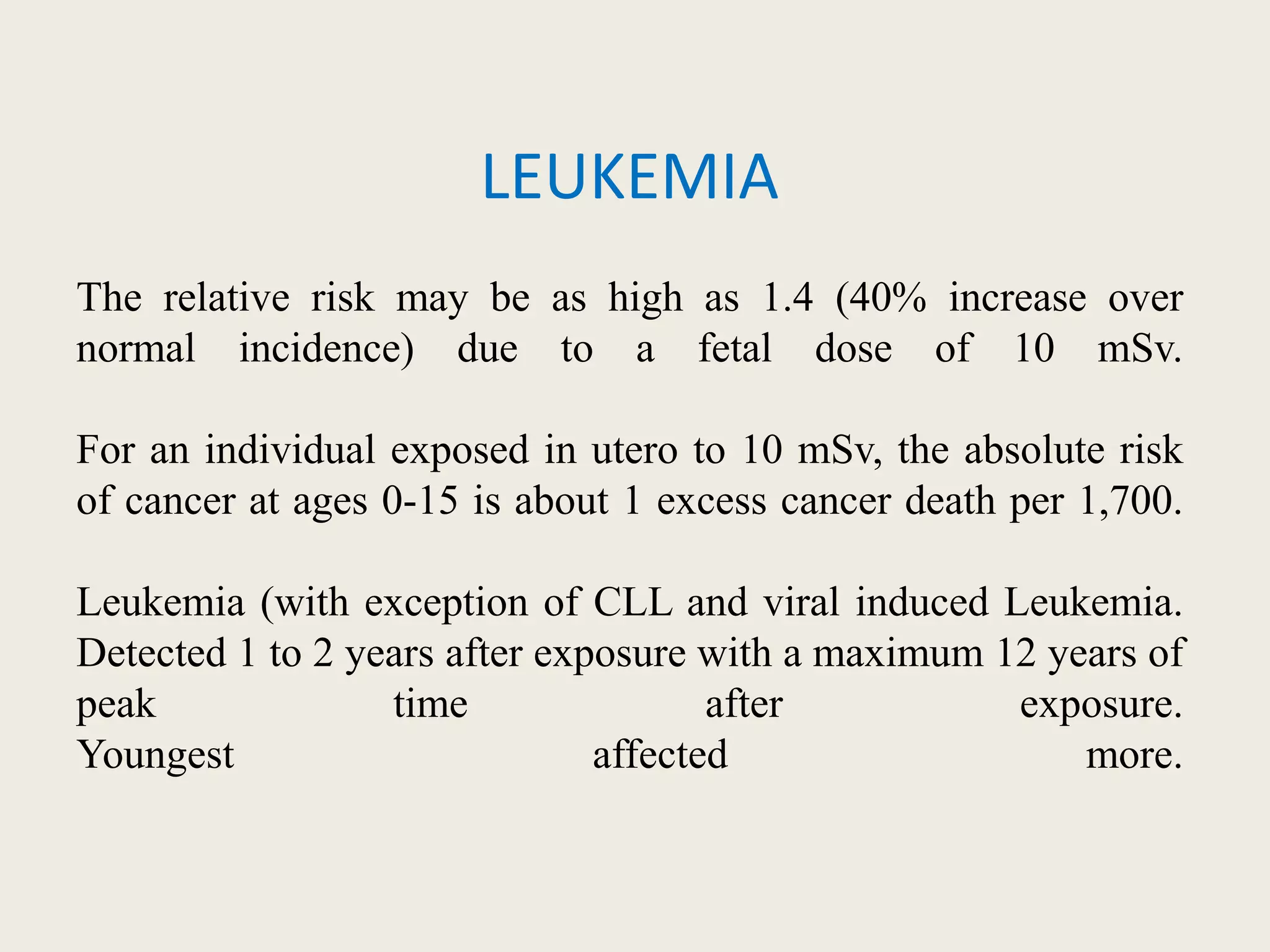
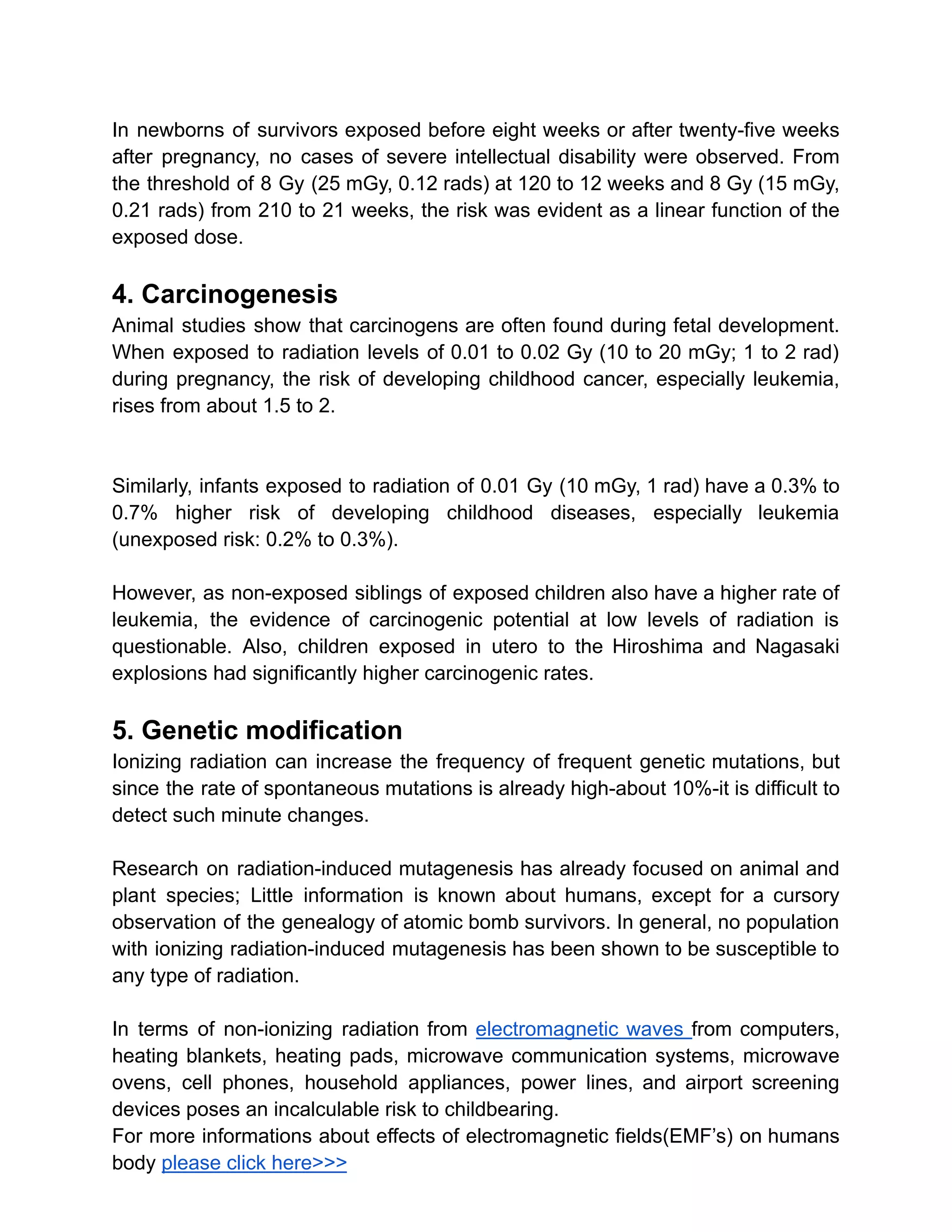
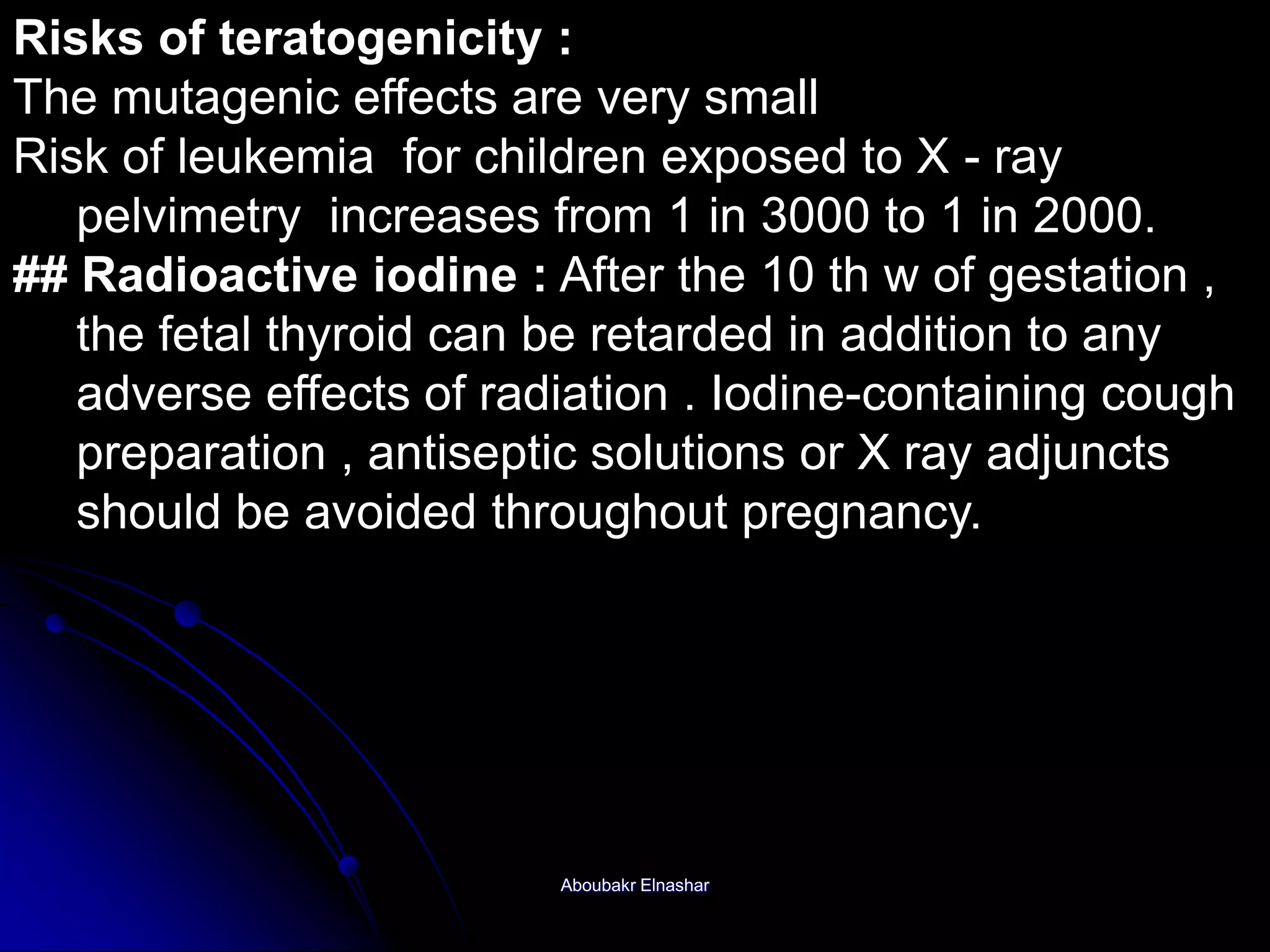
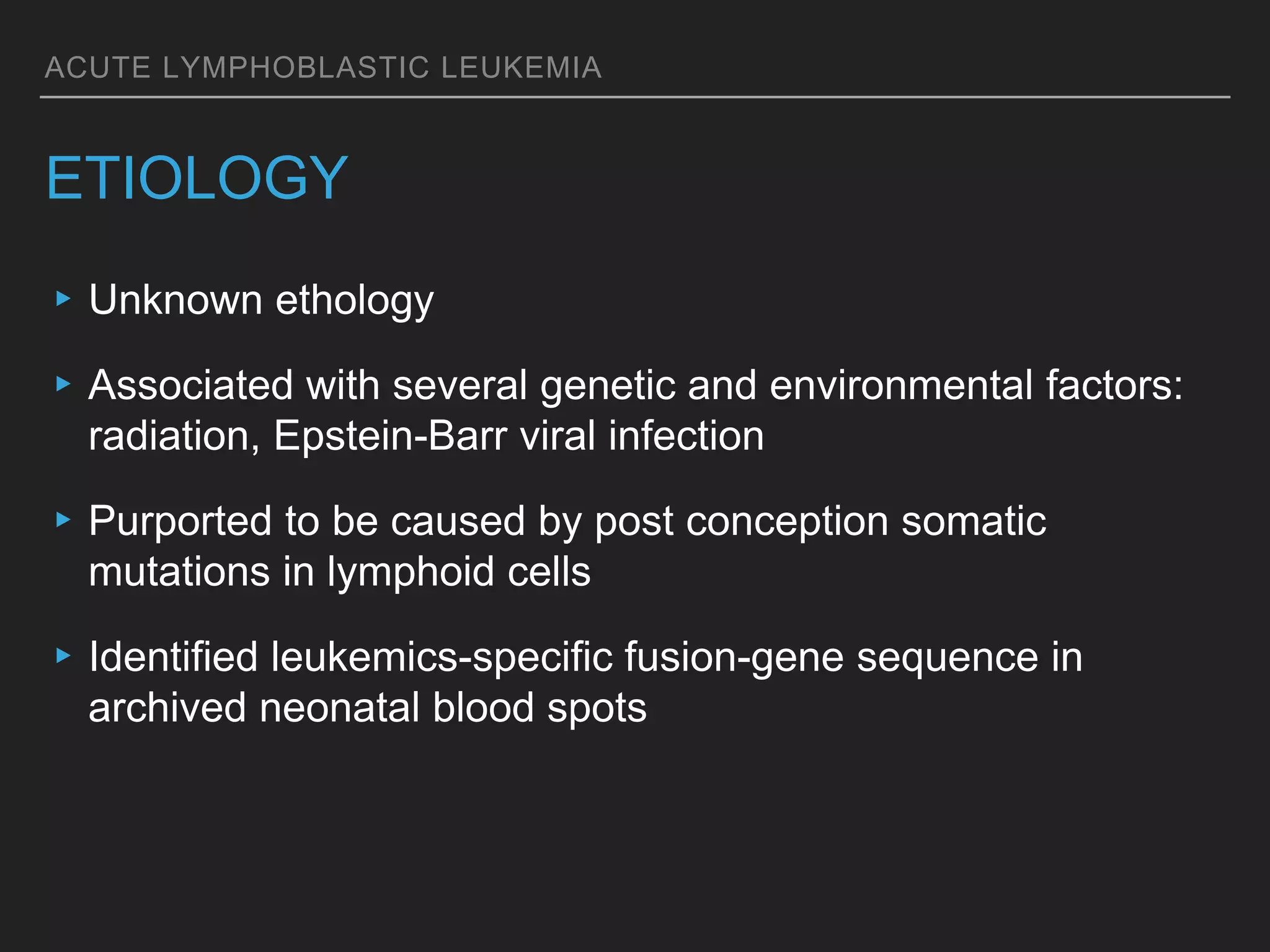
Ppt. on Radiation Hazards by Dr. Brajesh K. Ben | PPTX. This note connects the source idea with the visuals in a simple, reader-friendly way.
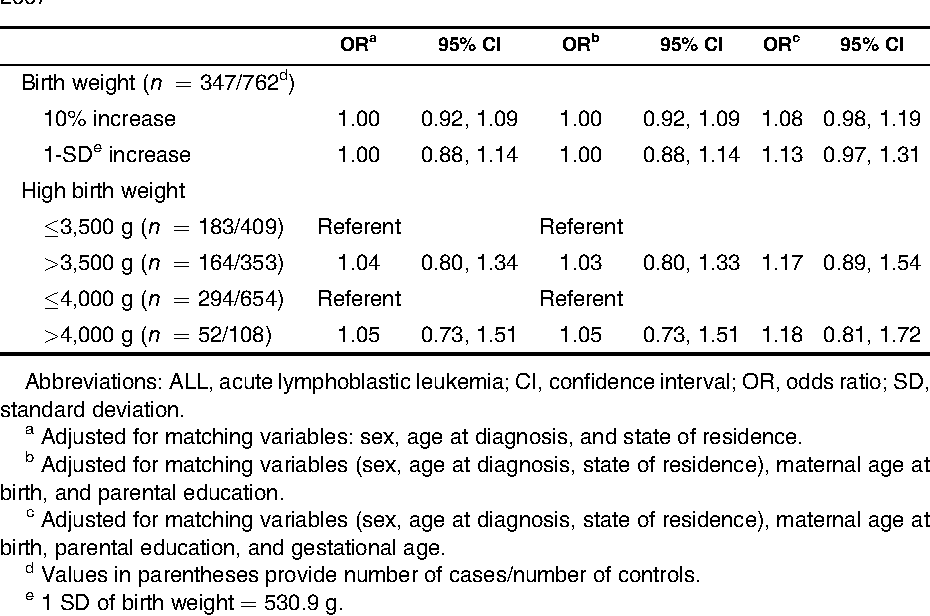
Table 4 from American Journal of Epidemiology Original Contribution. This note connects the source idea with the visuals in a simple, reader-friendly way.
Looking at multiple sources also helps separate the main idea from small decorative details.
These notes are added so the page offers more than images and gives each visitor a clearer reason to keep reading.