Everything you need to know about GLP
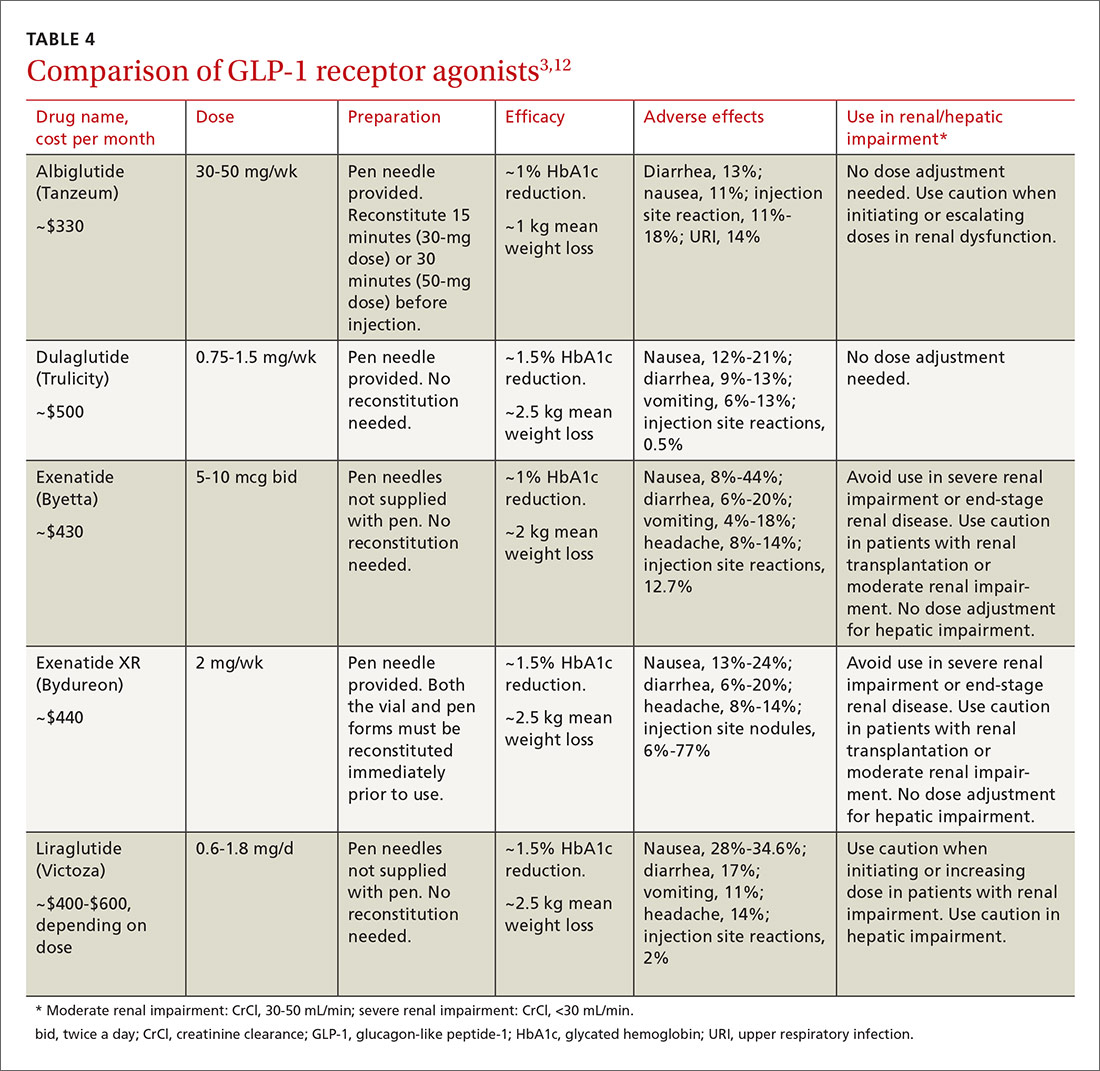
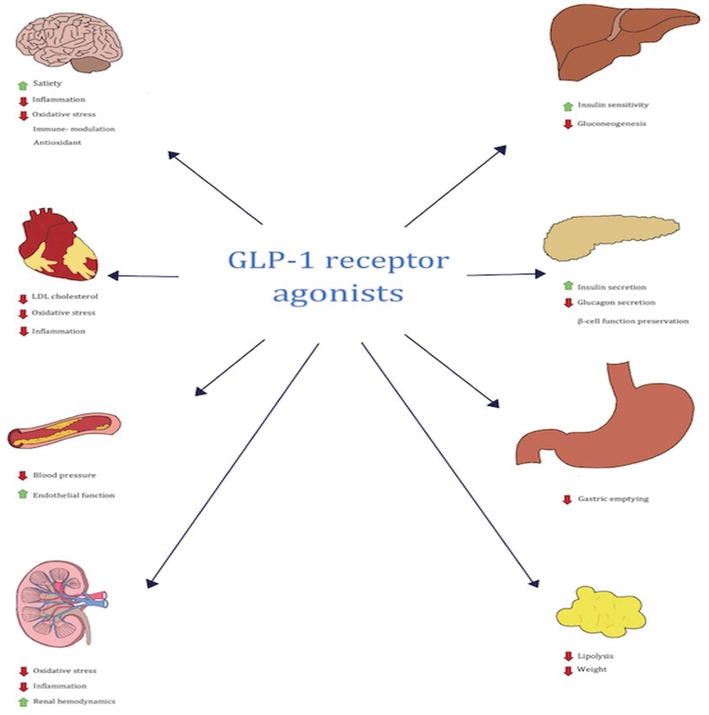
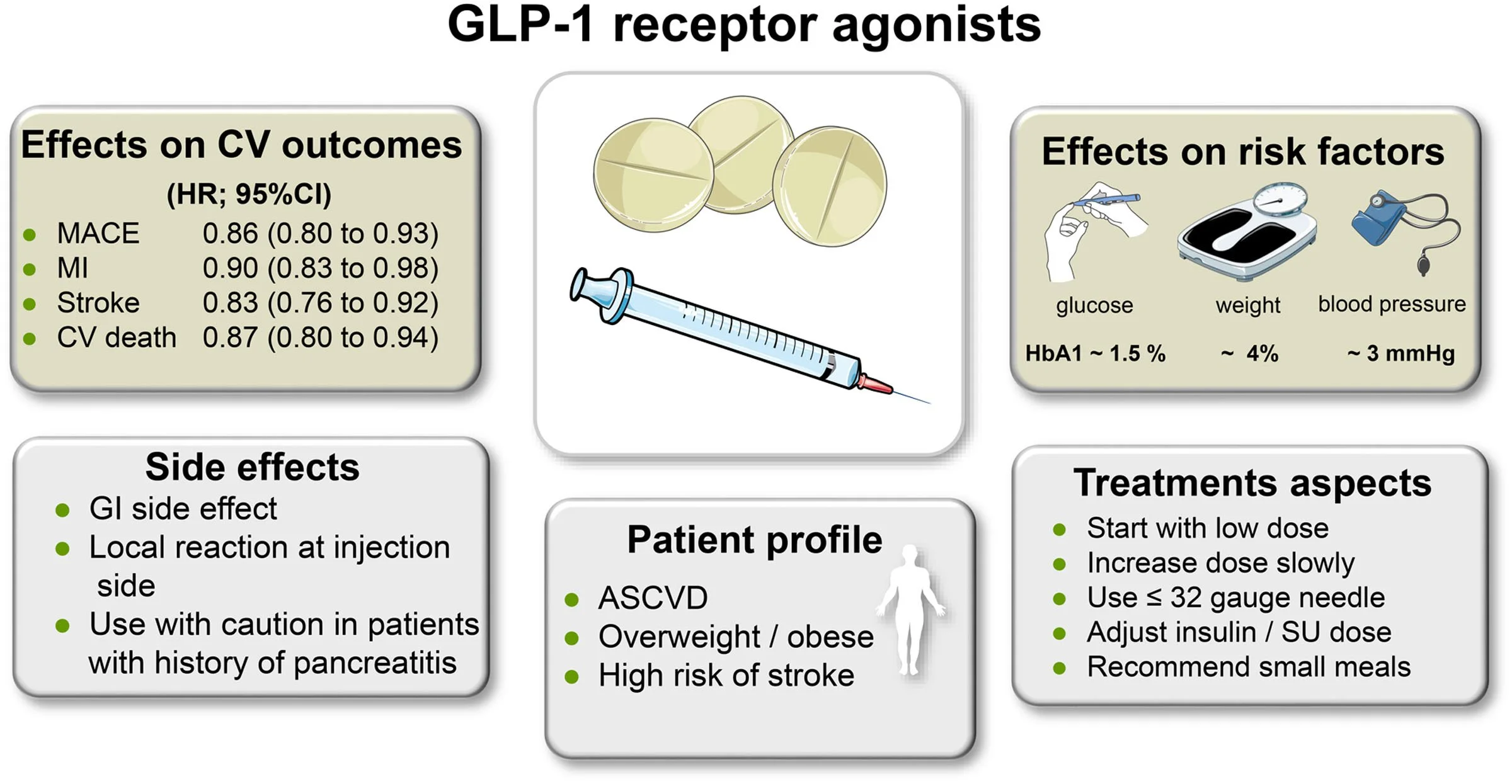
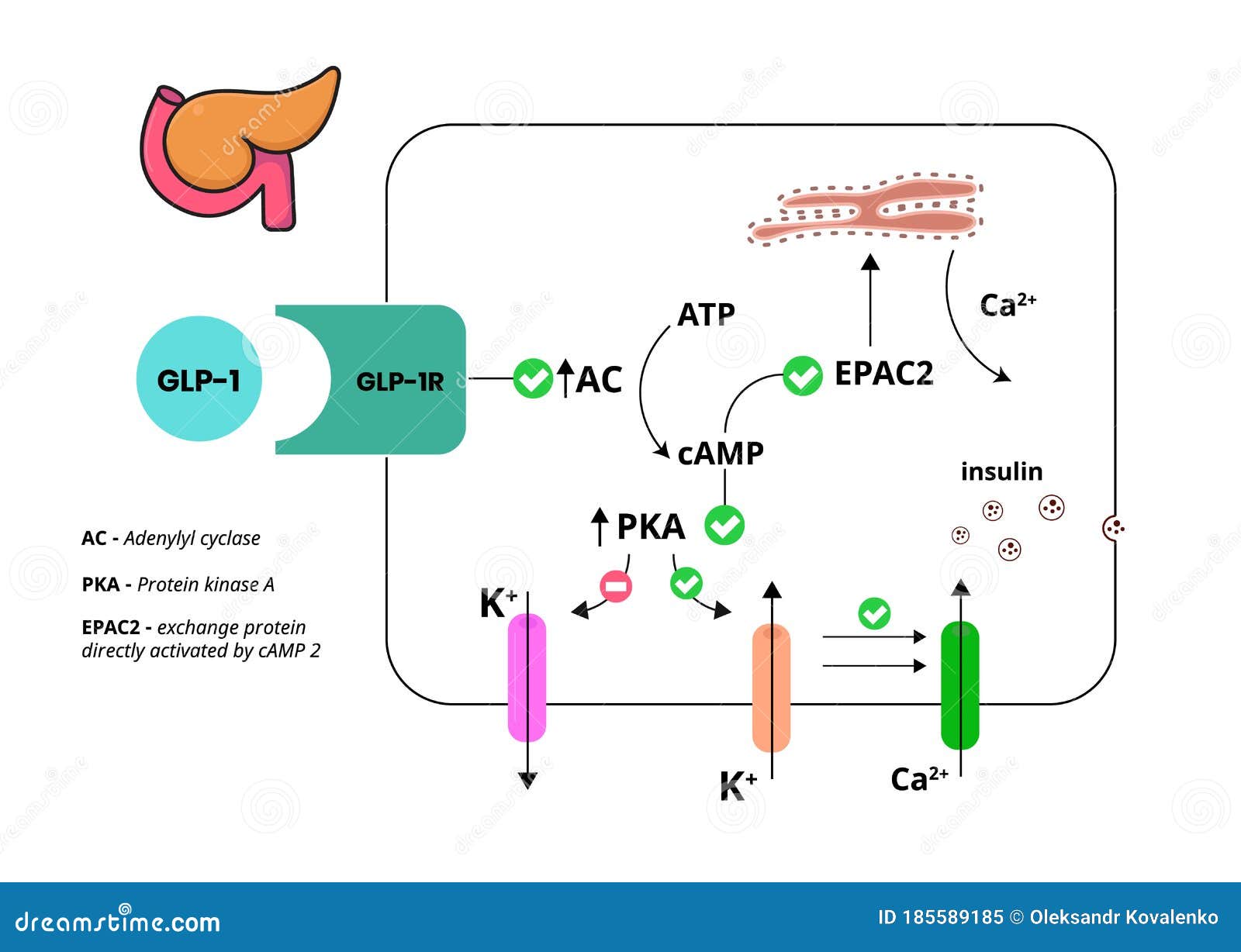
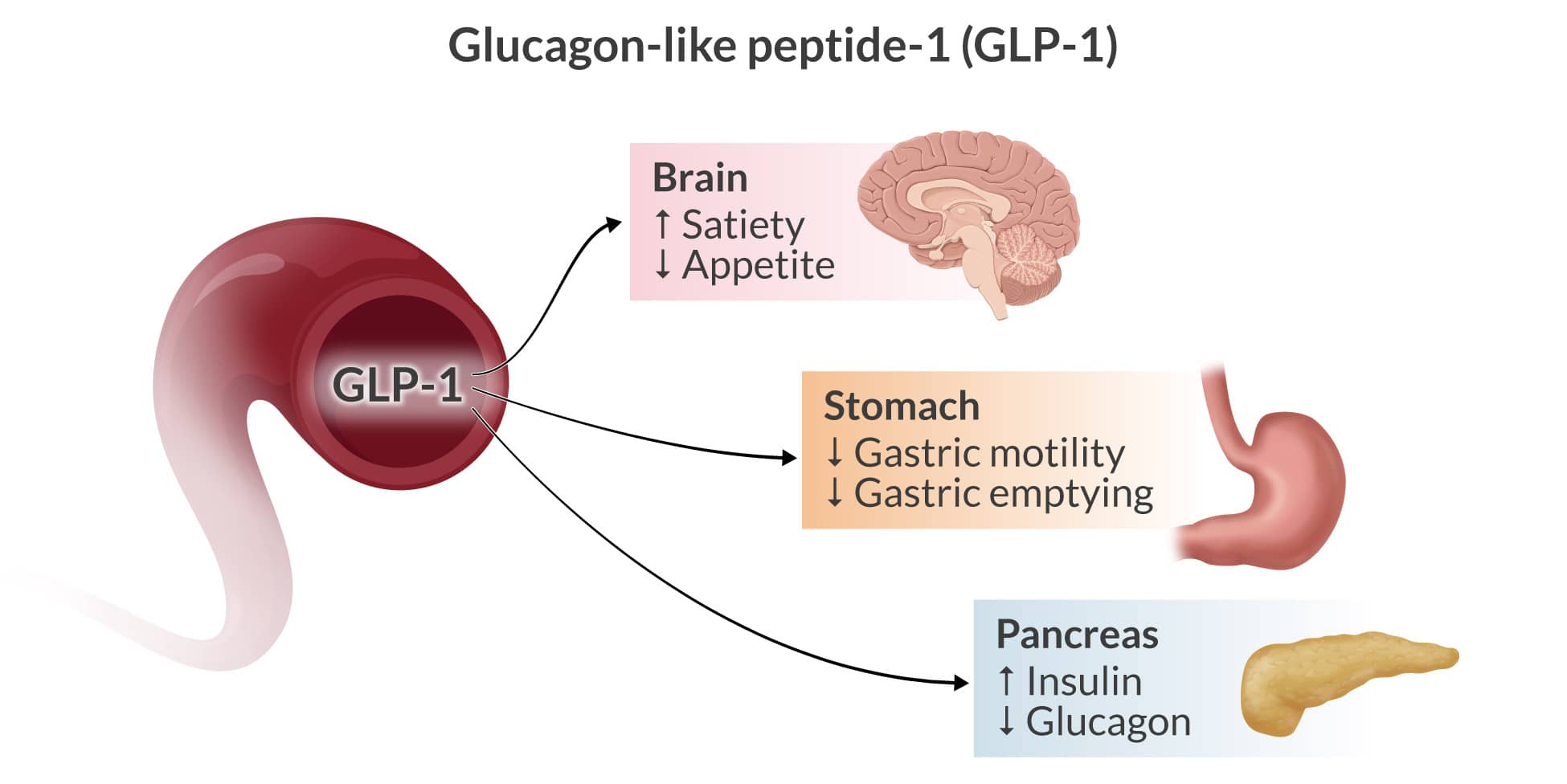
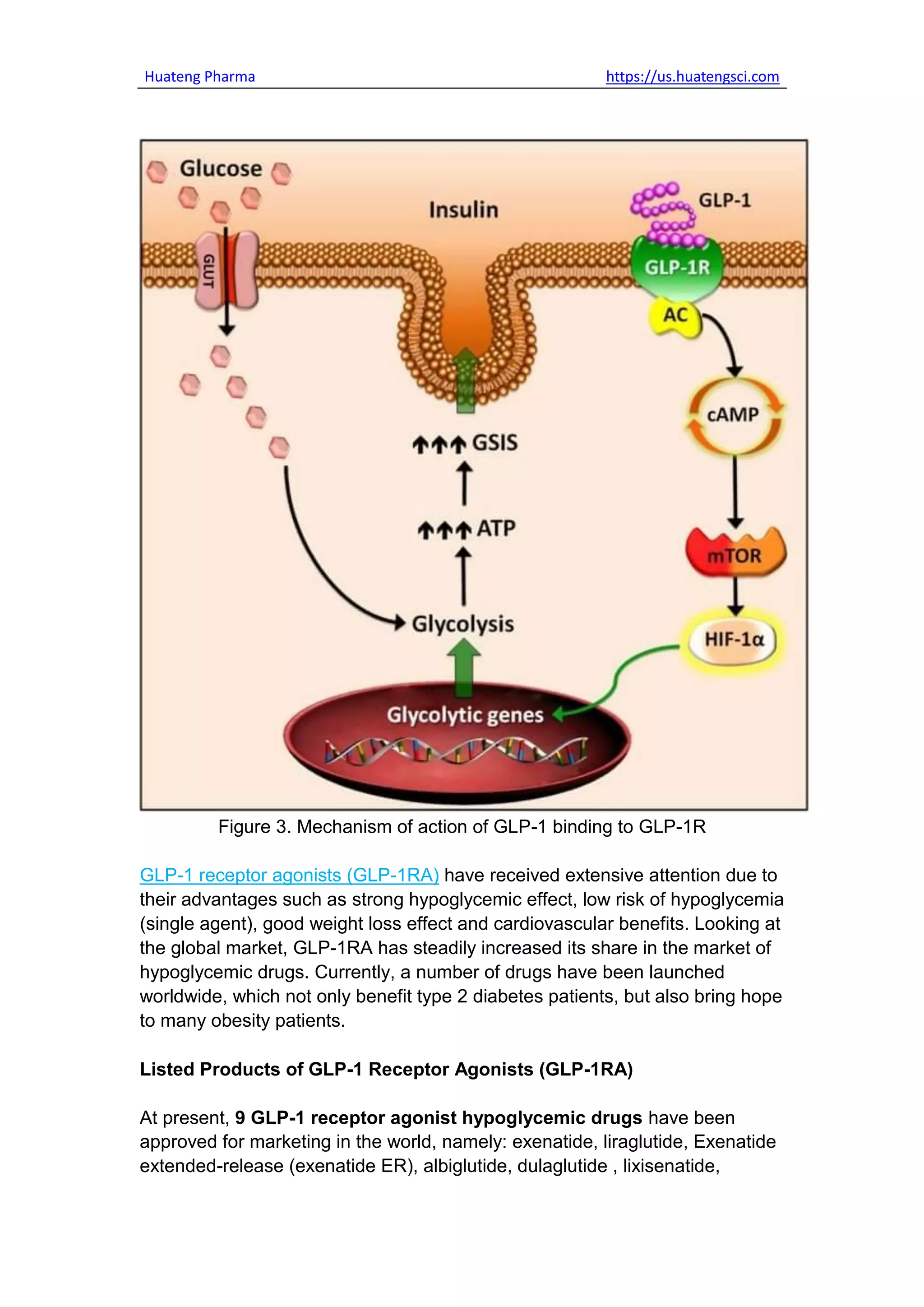
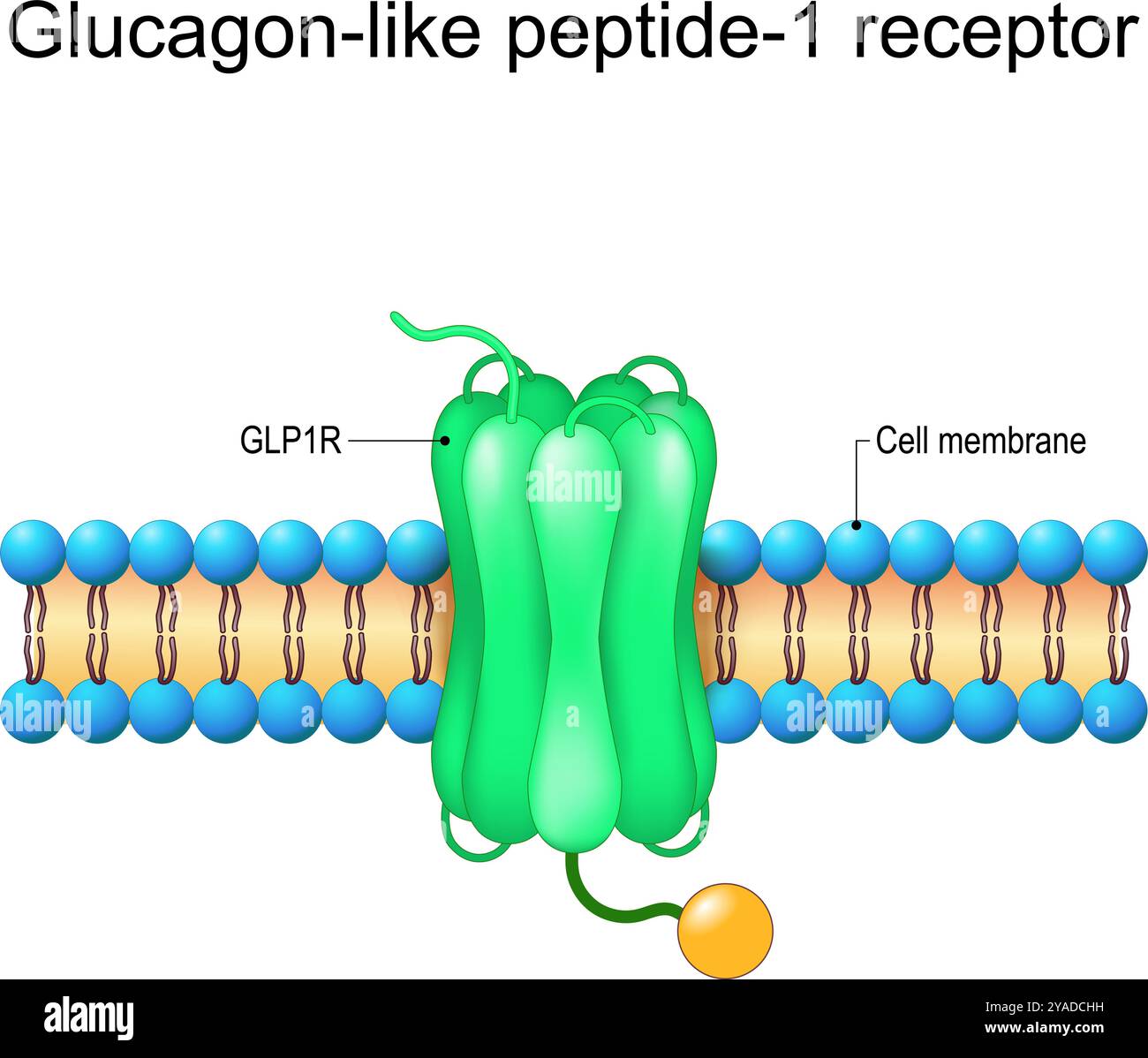
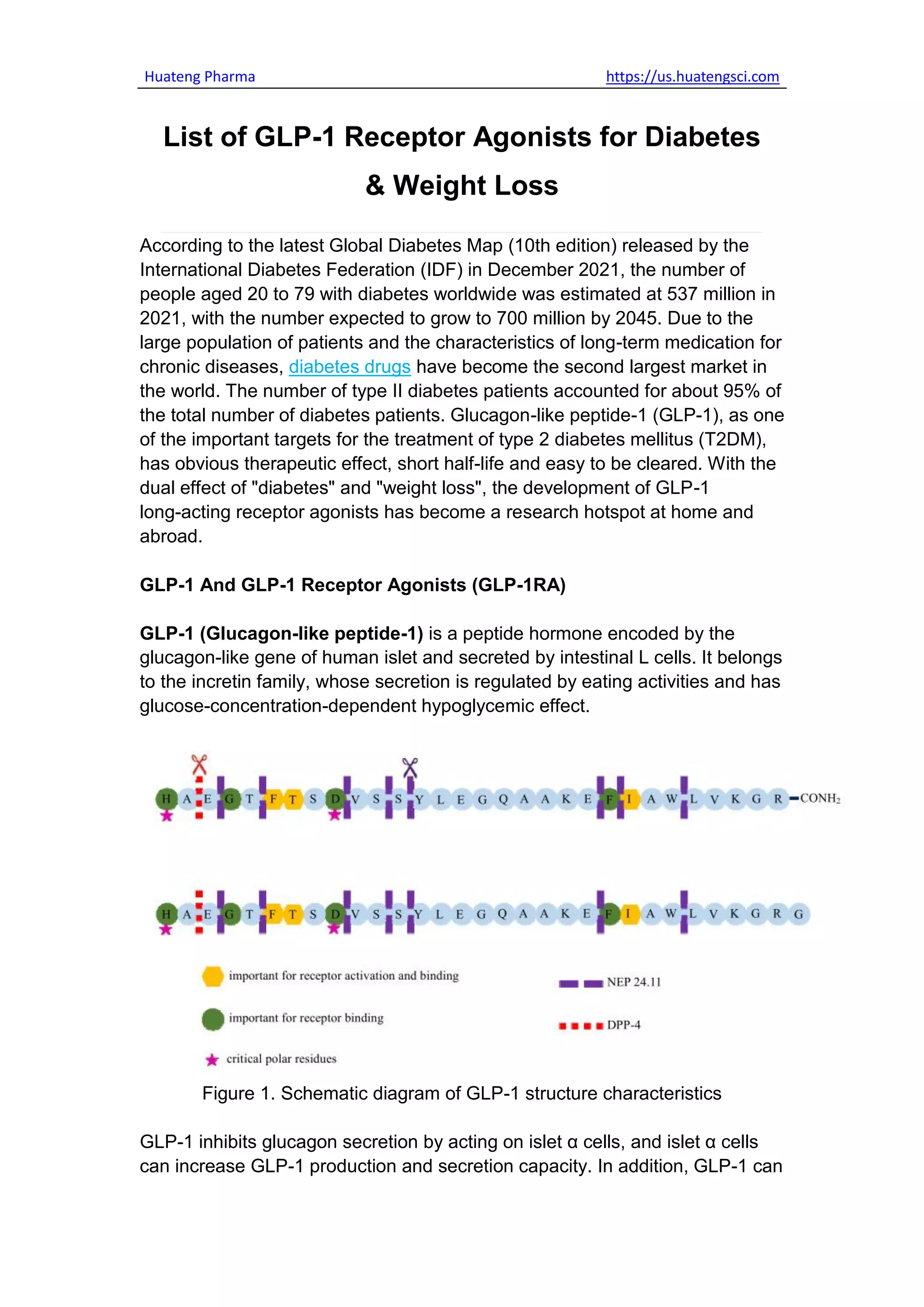
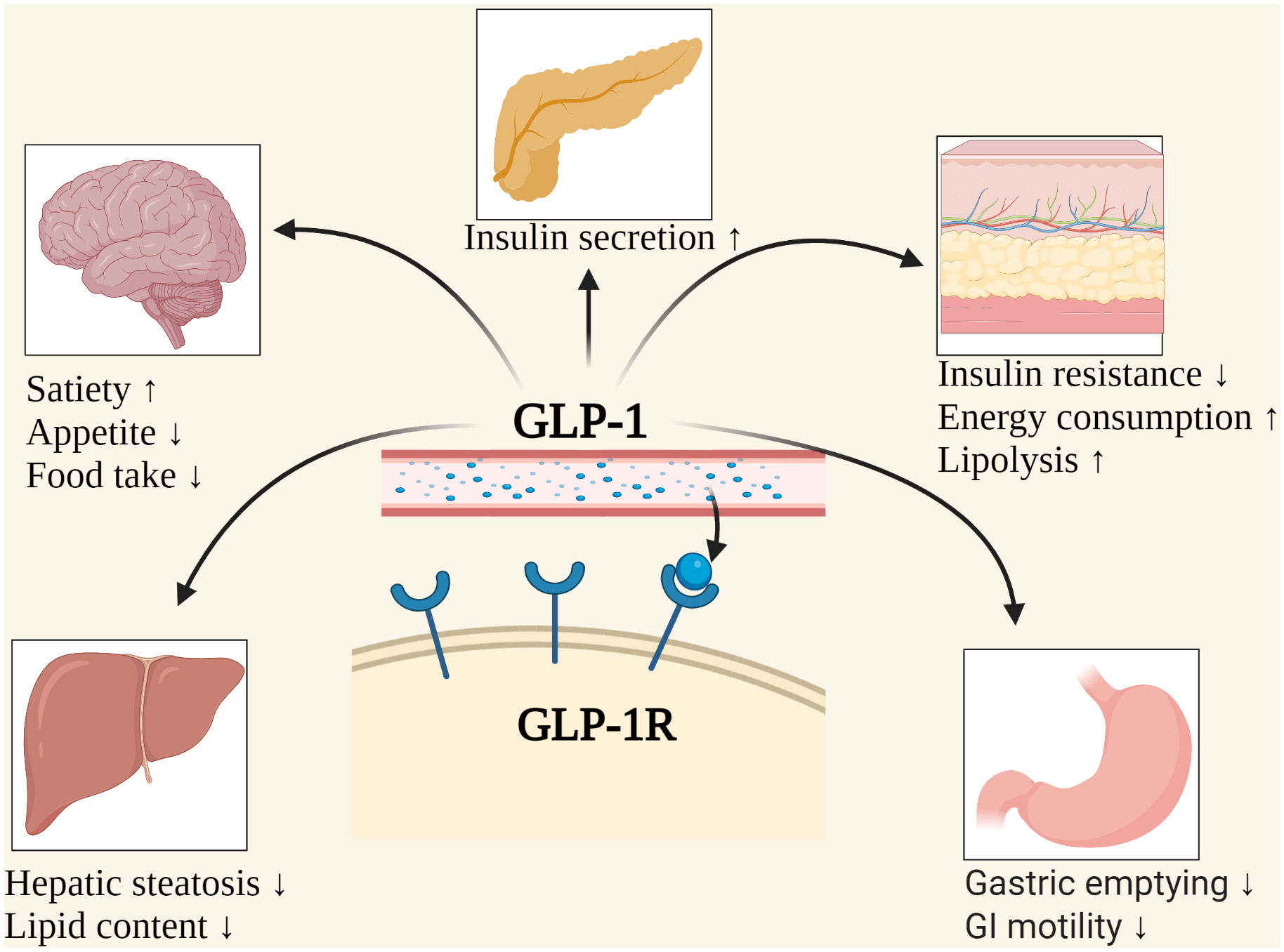
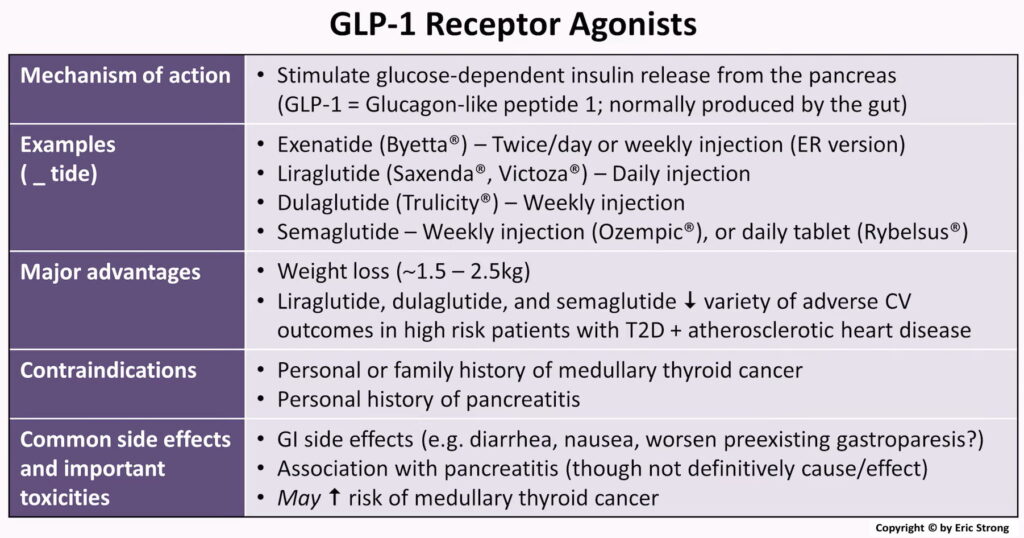
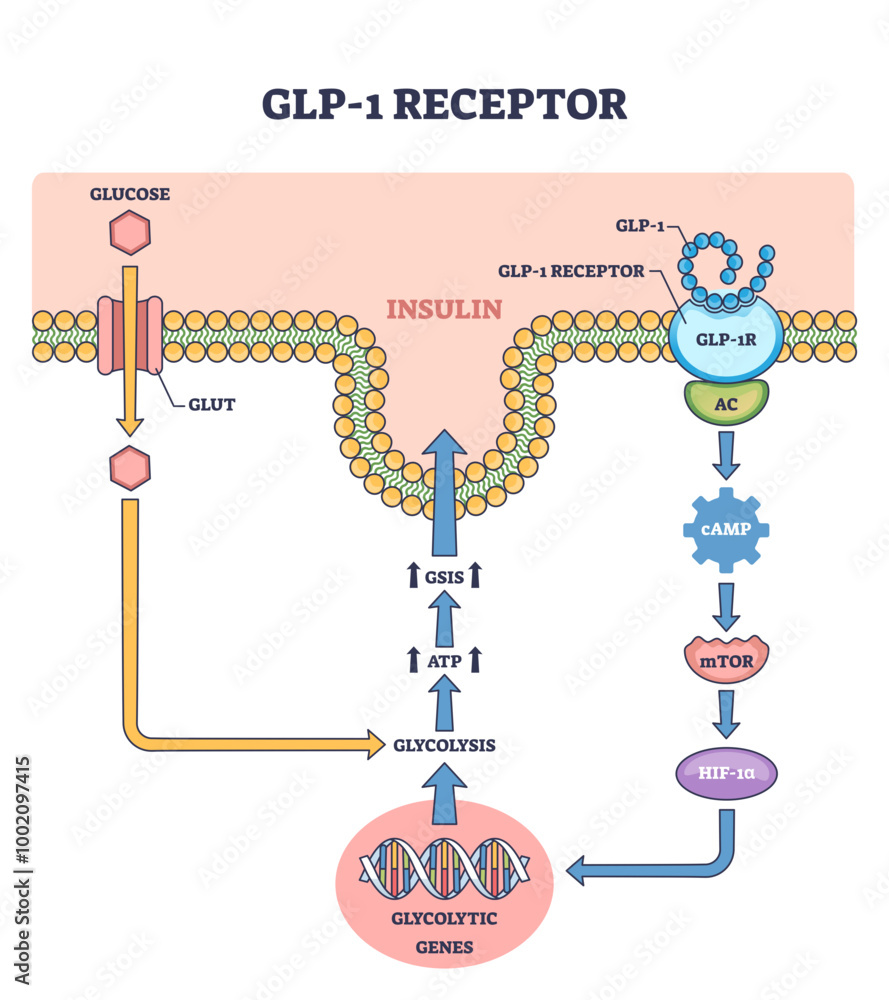
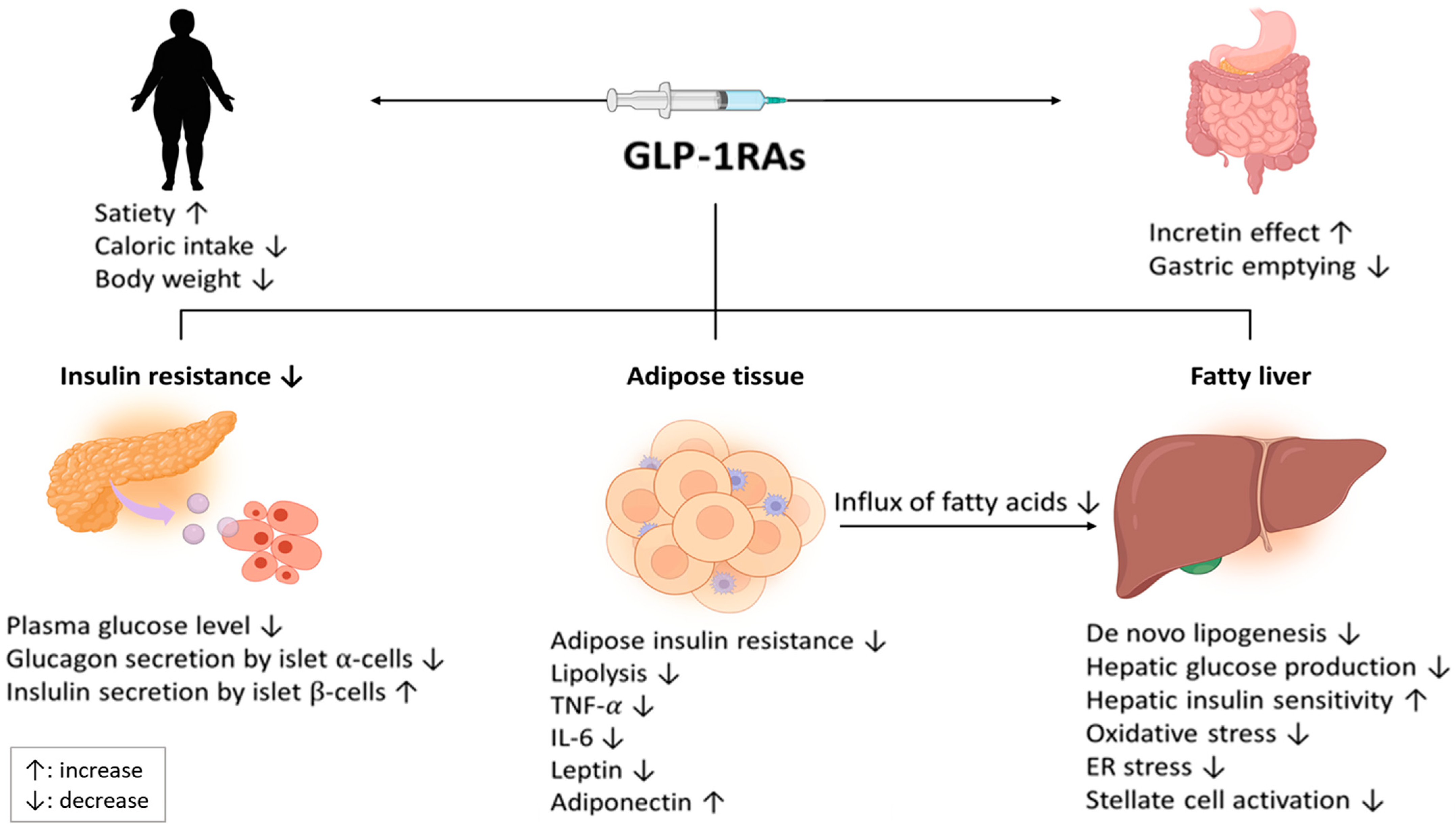
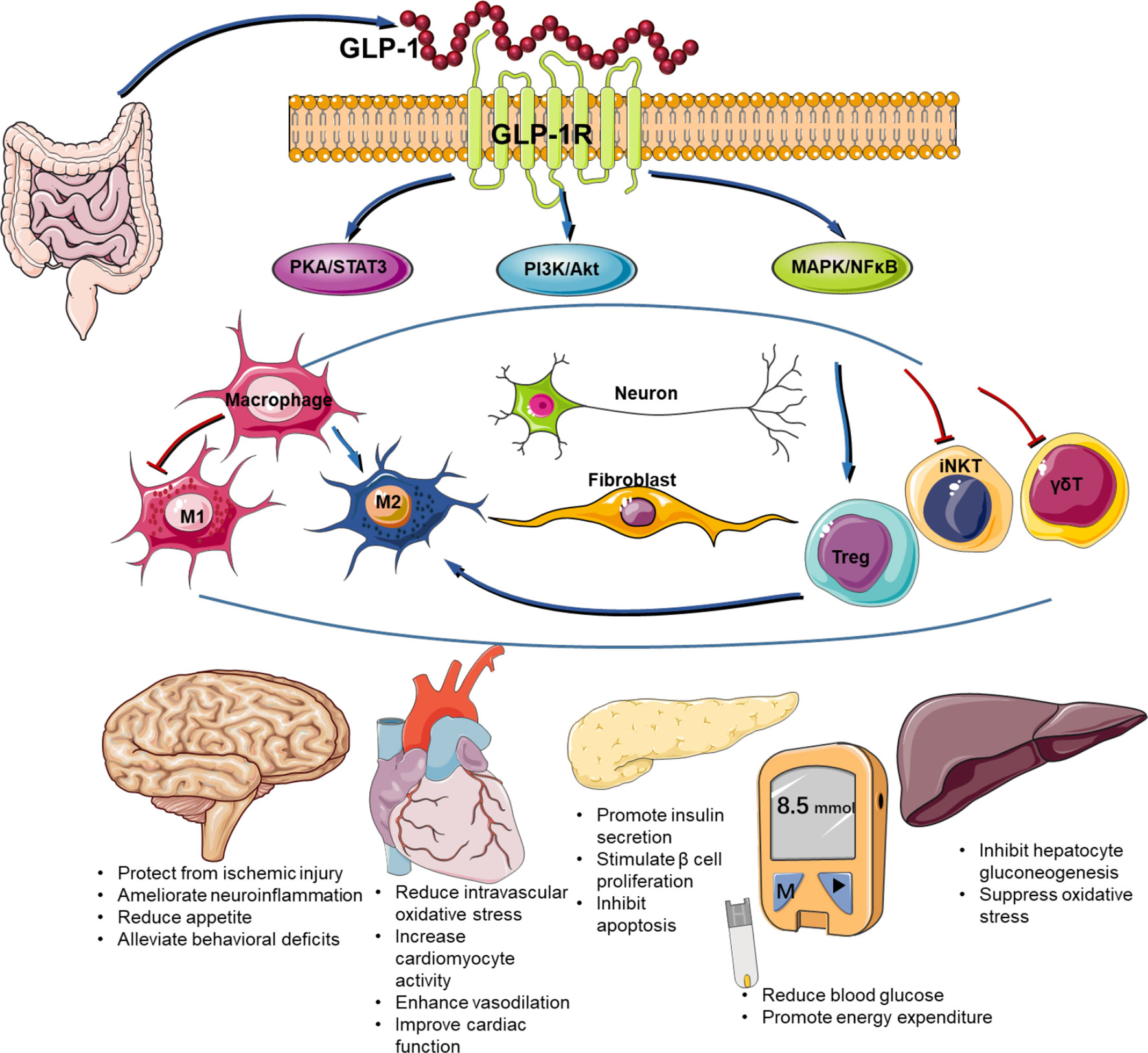
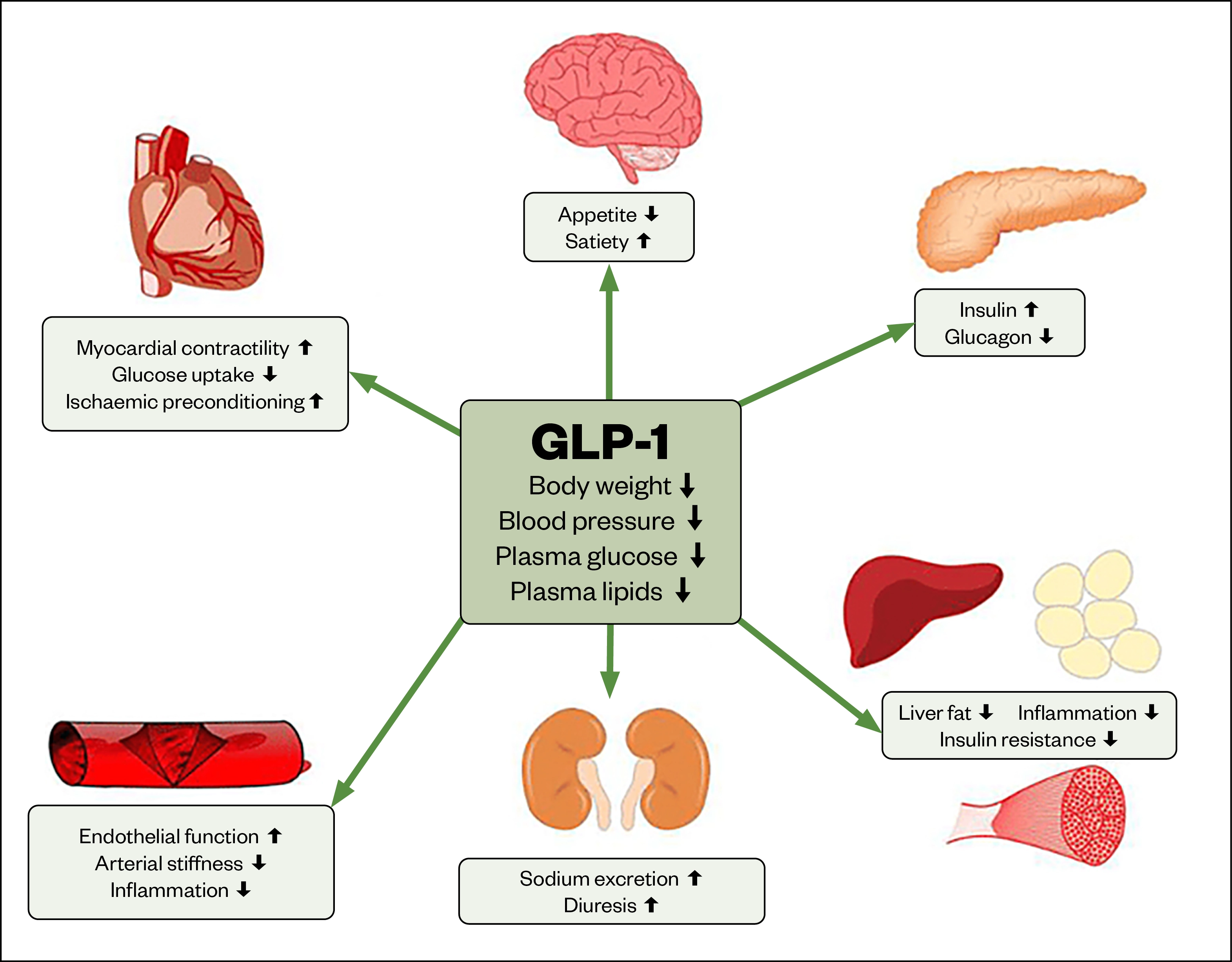
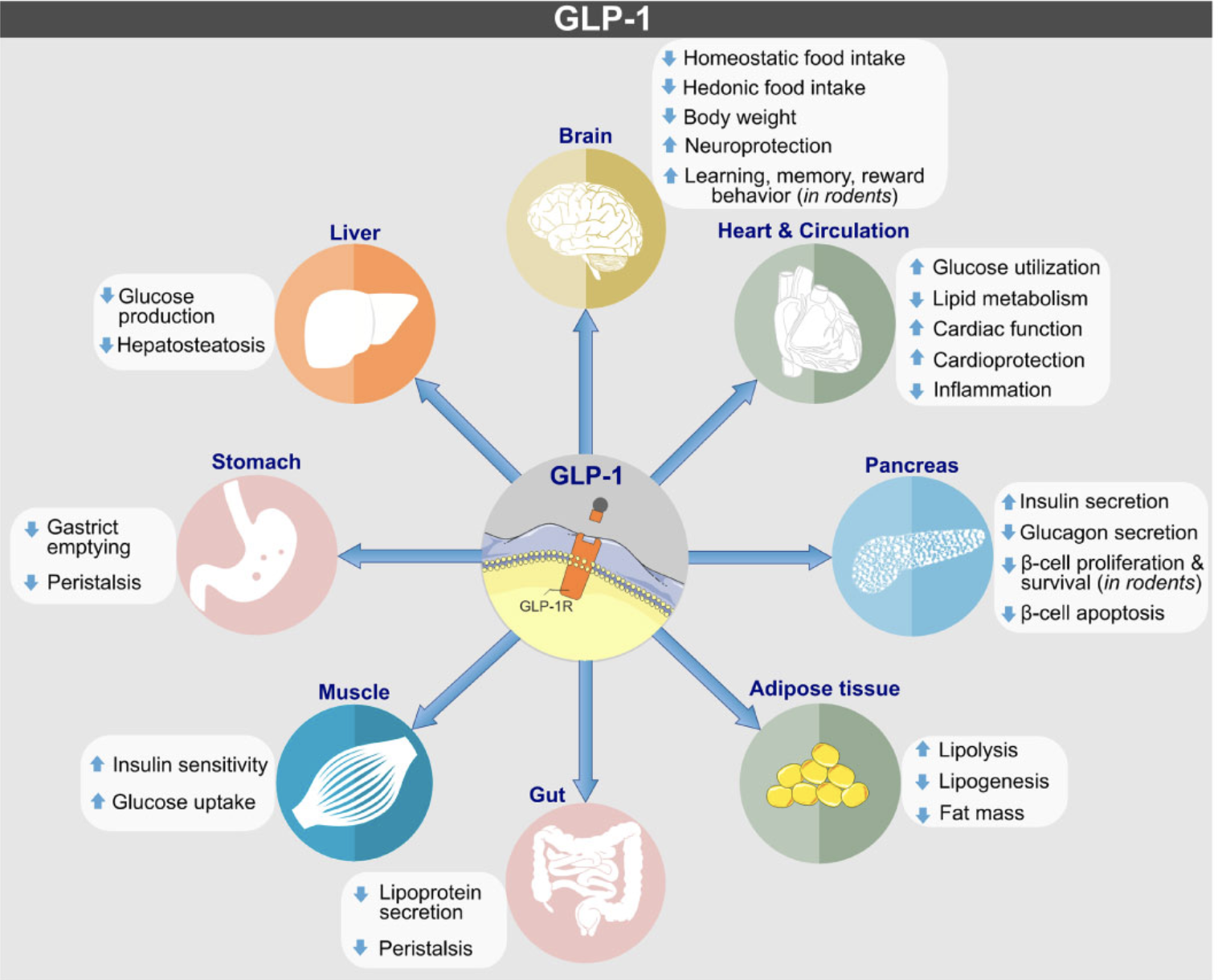
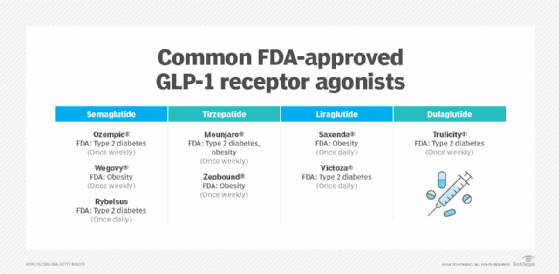
GLP-1 receptor agonists work by targeting GLP-1 receptors : increasing insulin, decreasing glucagon and delaying gastric emptying. Originally developed for use in type 2 diabetes mellitus, GLP-1s are increasingly being licensed for weight -loss and other cardiometabolic applications.
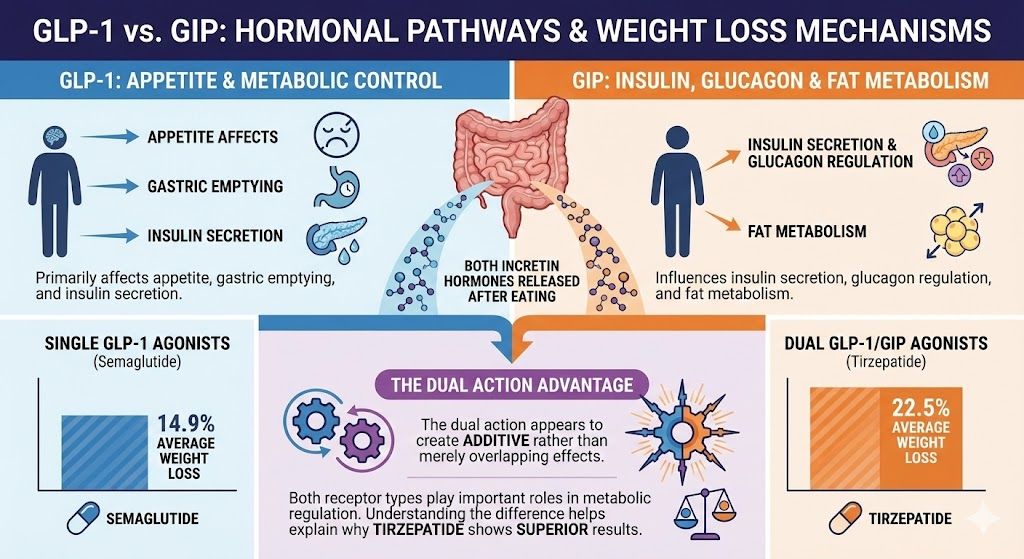
Injectable drugs for weight management

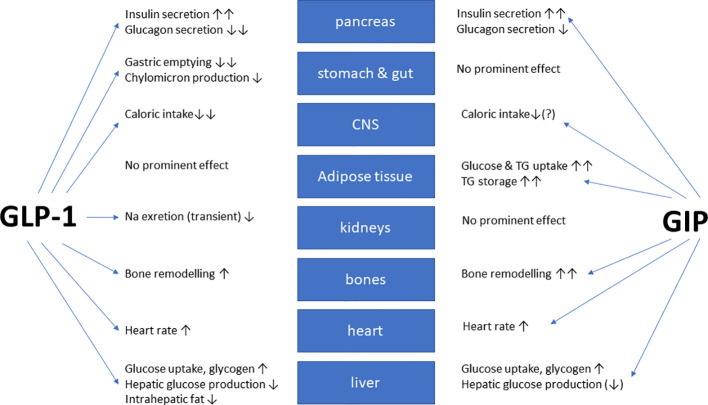
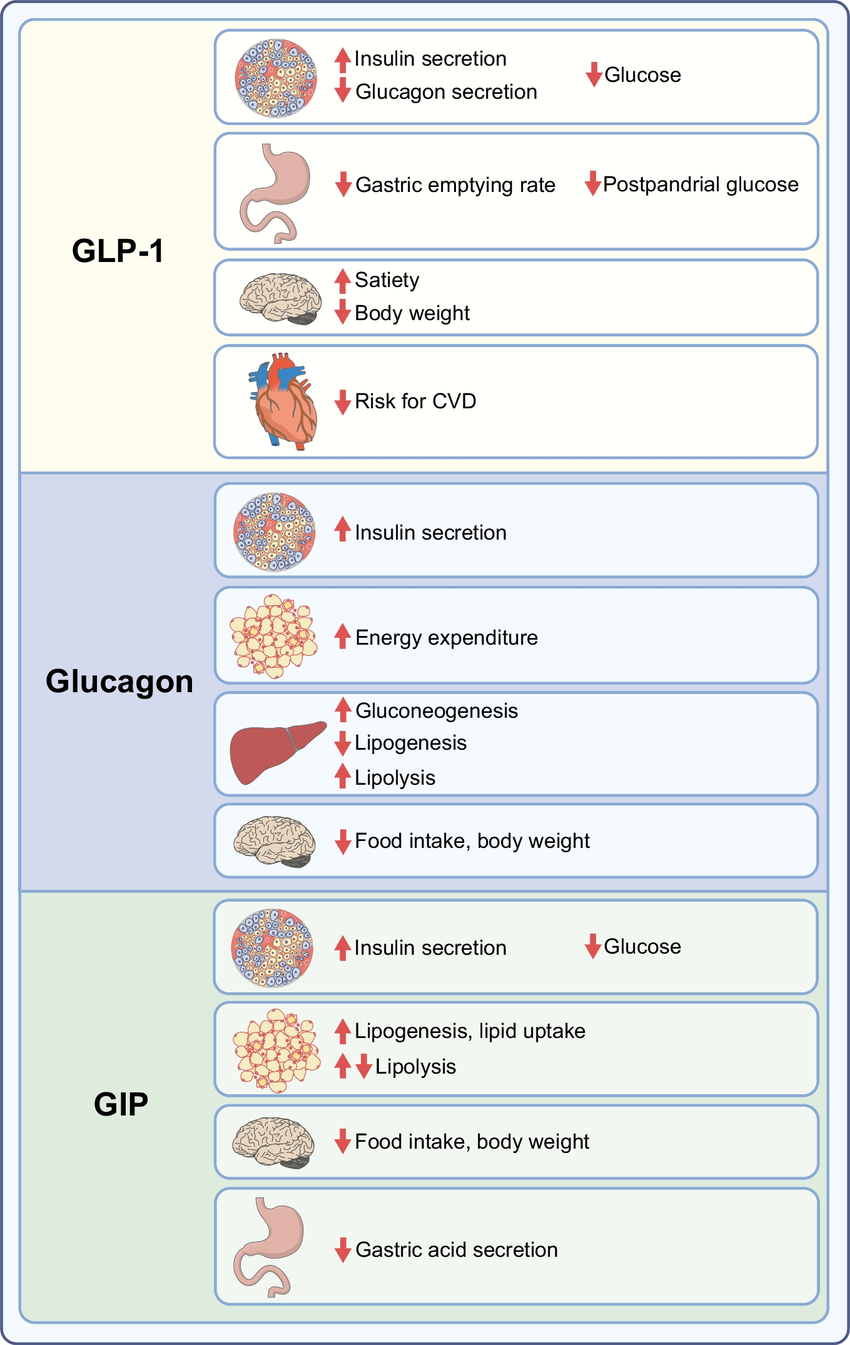
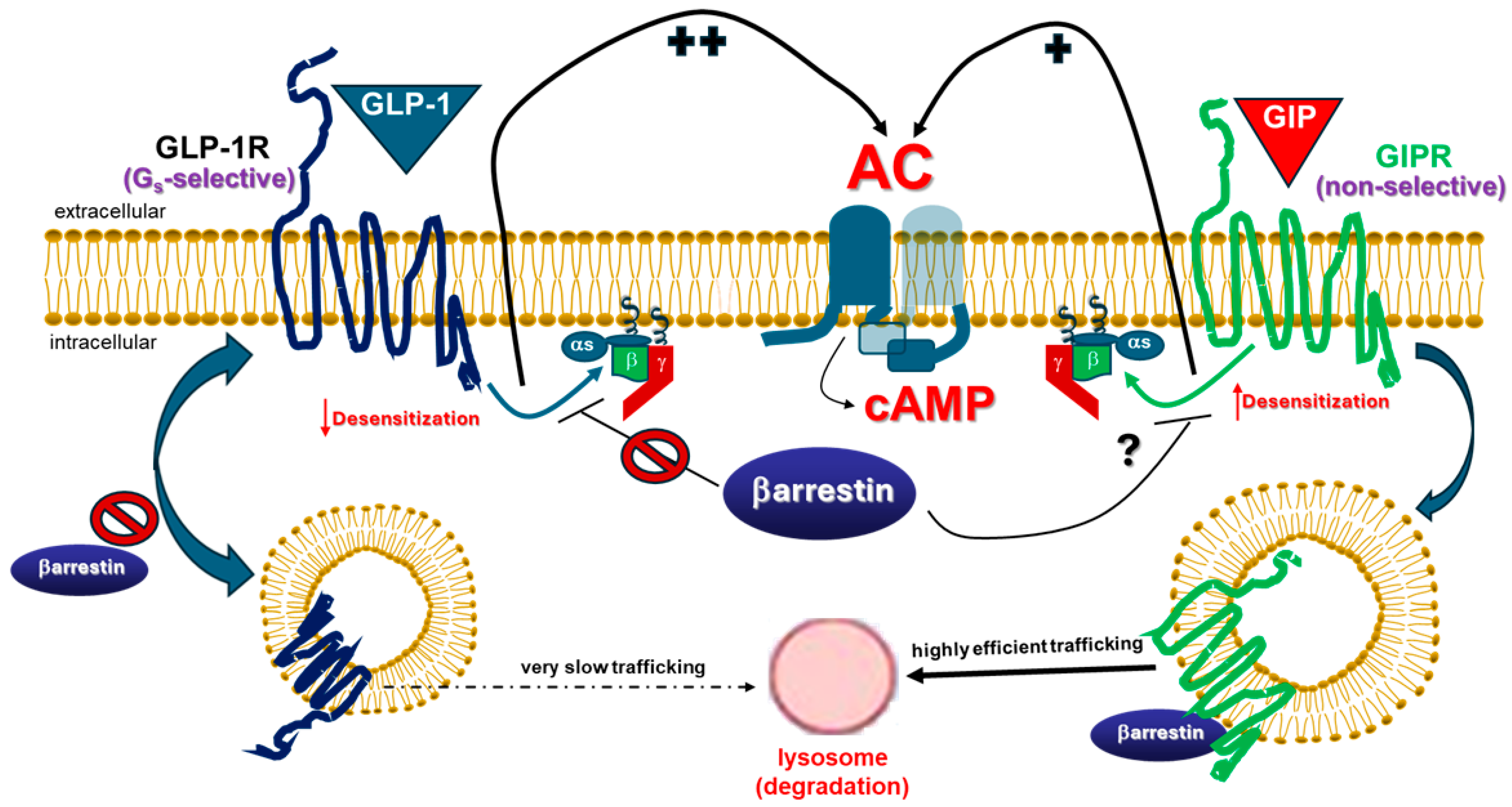
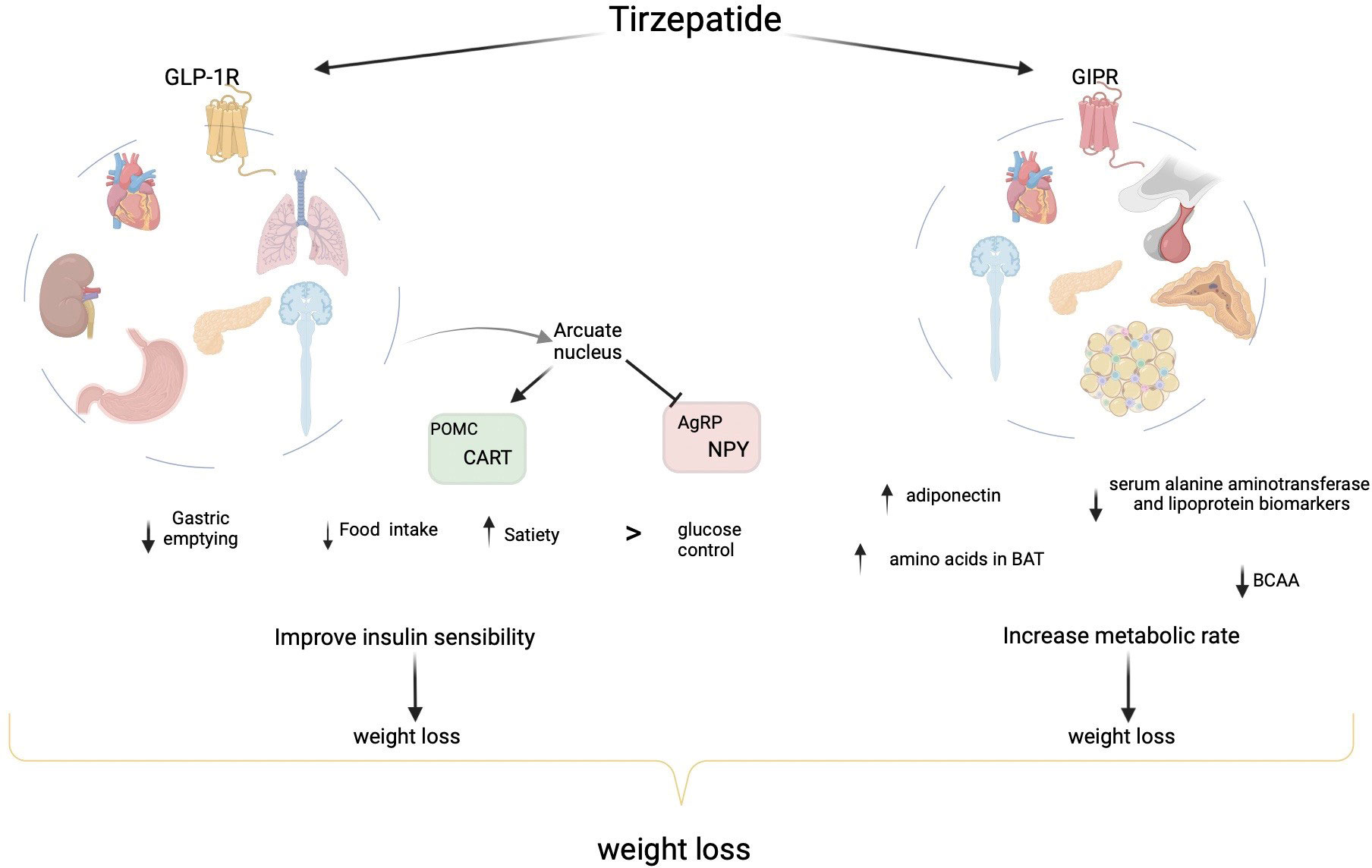
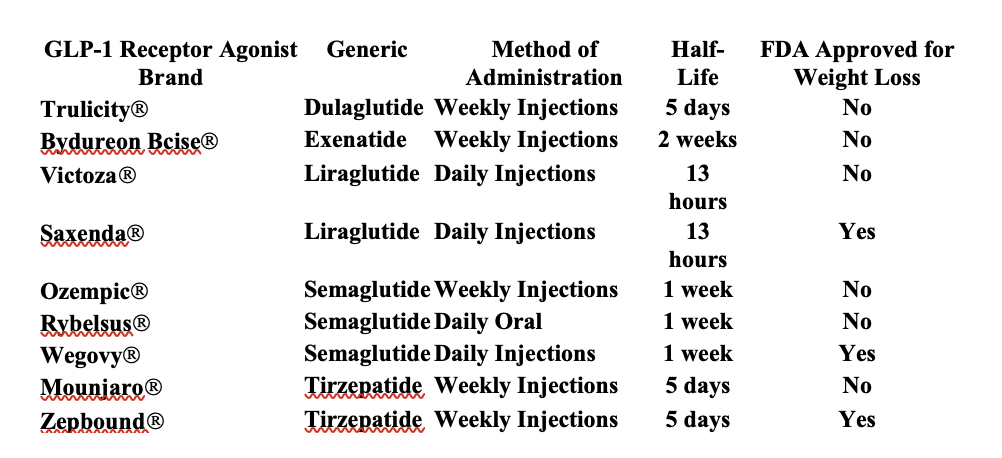
Mechanisms of action Injectable drugs to manage weight work by mimicking the incretin hormones GLP-1 and GIP. They act either at the GLP-1 receptor alone (liraglutide, semaglutide) or at both GLP-1 and GIP receptors (tirzepatide). In the brain this affects appetite centres, specifically the hypothalamus and mesolimbic pathway.
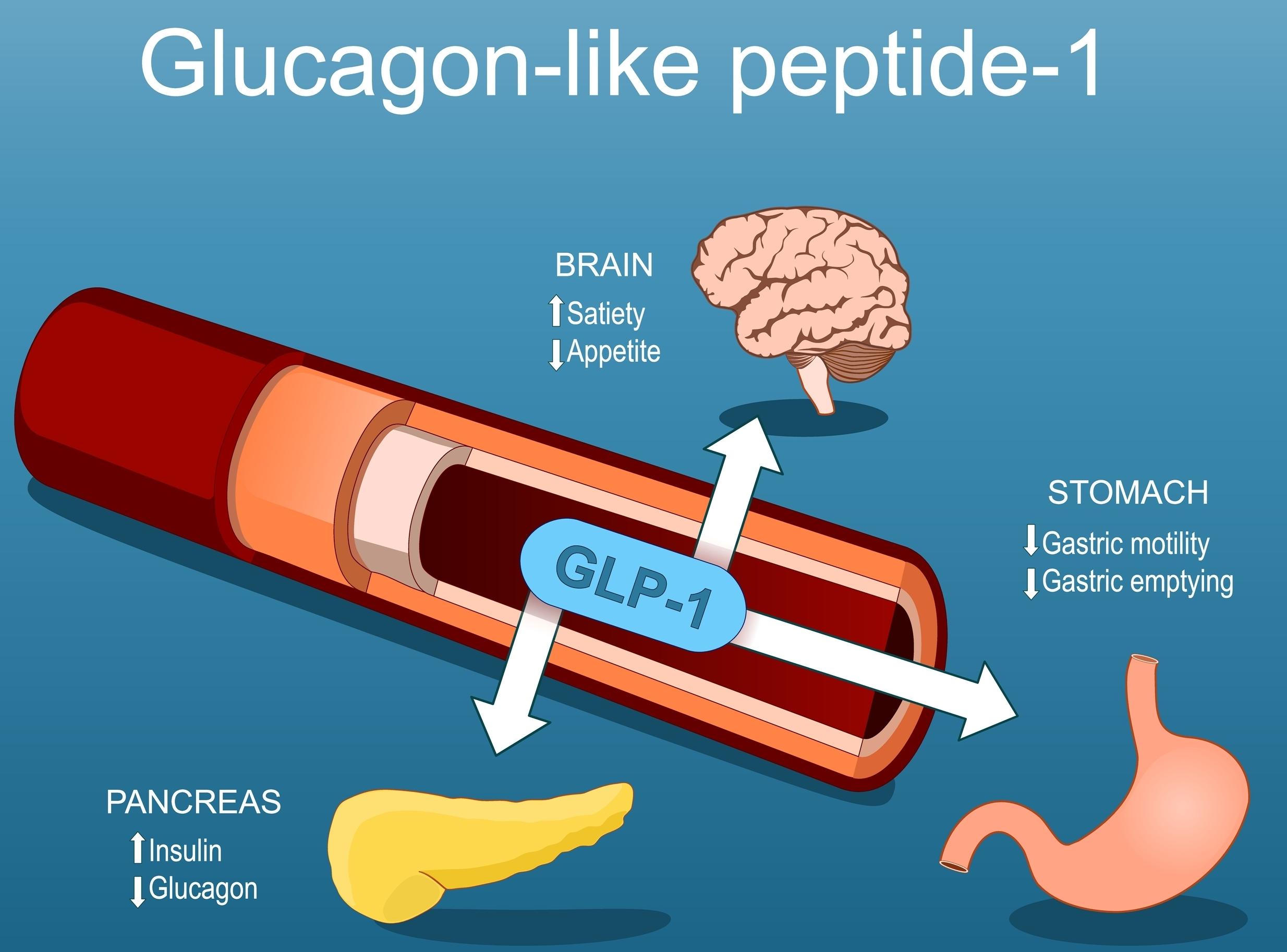
As we can see from the illustration, Glp 1 Receptor Antagonist Weight has many fascinating aspects to explore.
Glucagon-like peptide-1 ( GLP-1 ) receptor agonists (RAs) have become central in managing obesity and type 2 diabetes, primarily through appetite suppression and metabolic regulation. This review explores the mechanisms underlying GLP-1 RA-induced weight loss, focusing on central and peripheral pathways. Centrally, GLP-1 RAs modulate brain regions controlling appetite, influencing ...
Additional Notes on Glp 1 Receptor Antagonist Weight
Frontiers | GLP−1 receptor agonists for the treatment of obesity: Role. This note connects the source idea with the visuals in a simple, reader-friendly way.
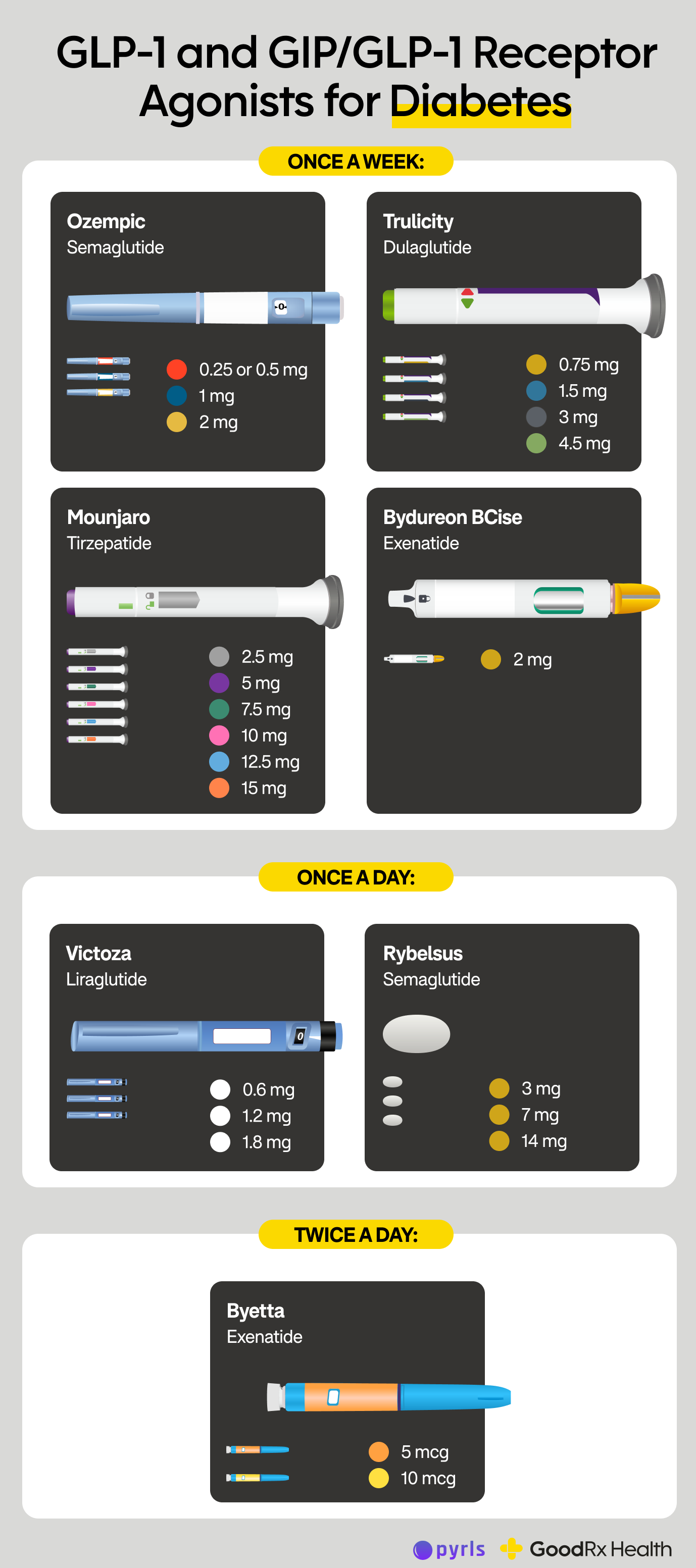
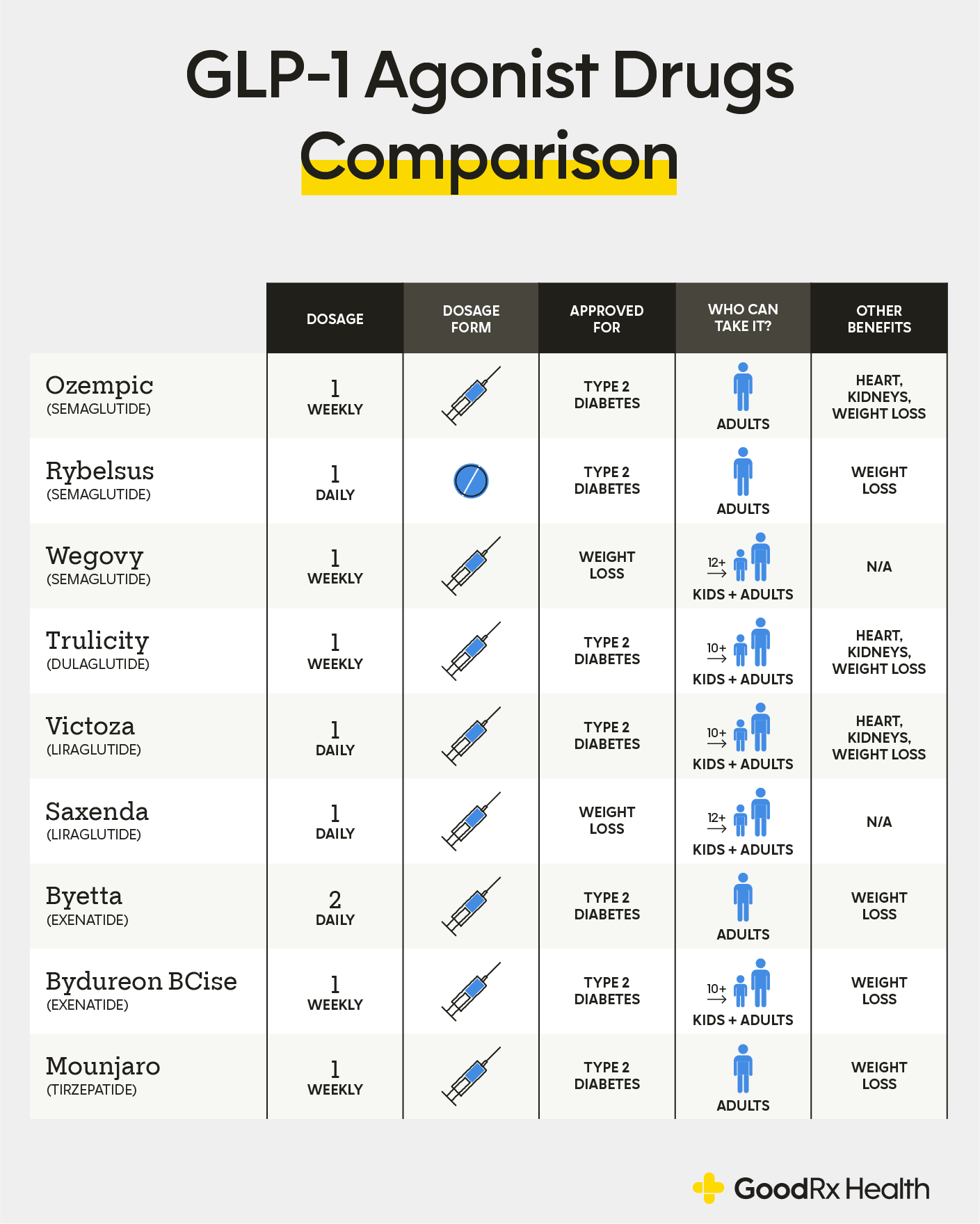
Comparing Ozempic, Wegovy and Other GLP-1 Drugs - GoodRx. It works as a short bridge between the article summary and the gallery section.
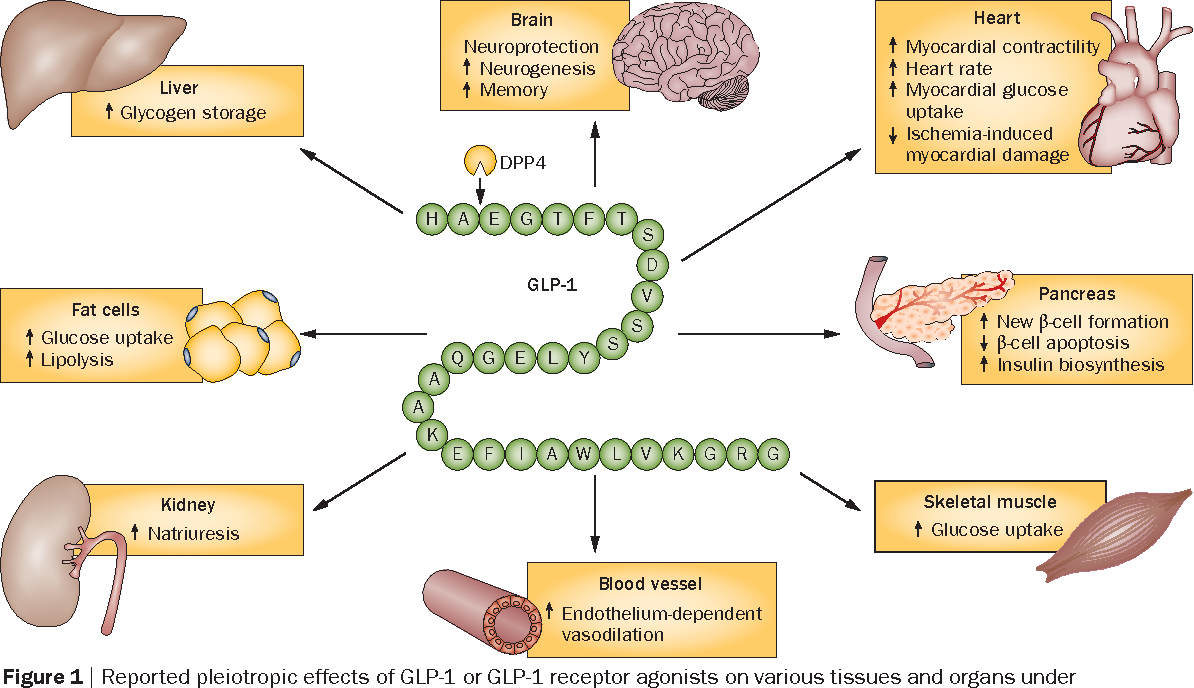
Therapeutic Mechanisms and Clinical Effects of Glucagon-like Peptide 1. This note connects the source idea with the visuals in a simple, reader-friendly way.
Looking at multiple sources also helps separate the main idea from small decorative details.
These notes are added so the page offers more than images and gives each visitor a clearer reason to keep reading.