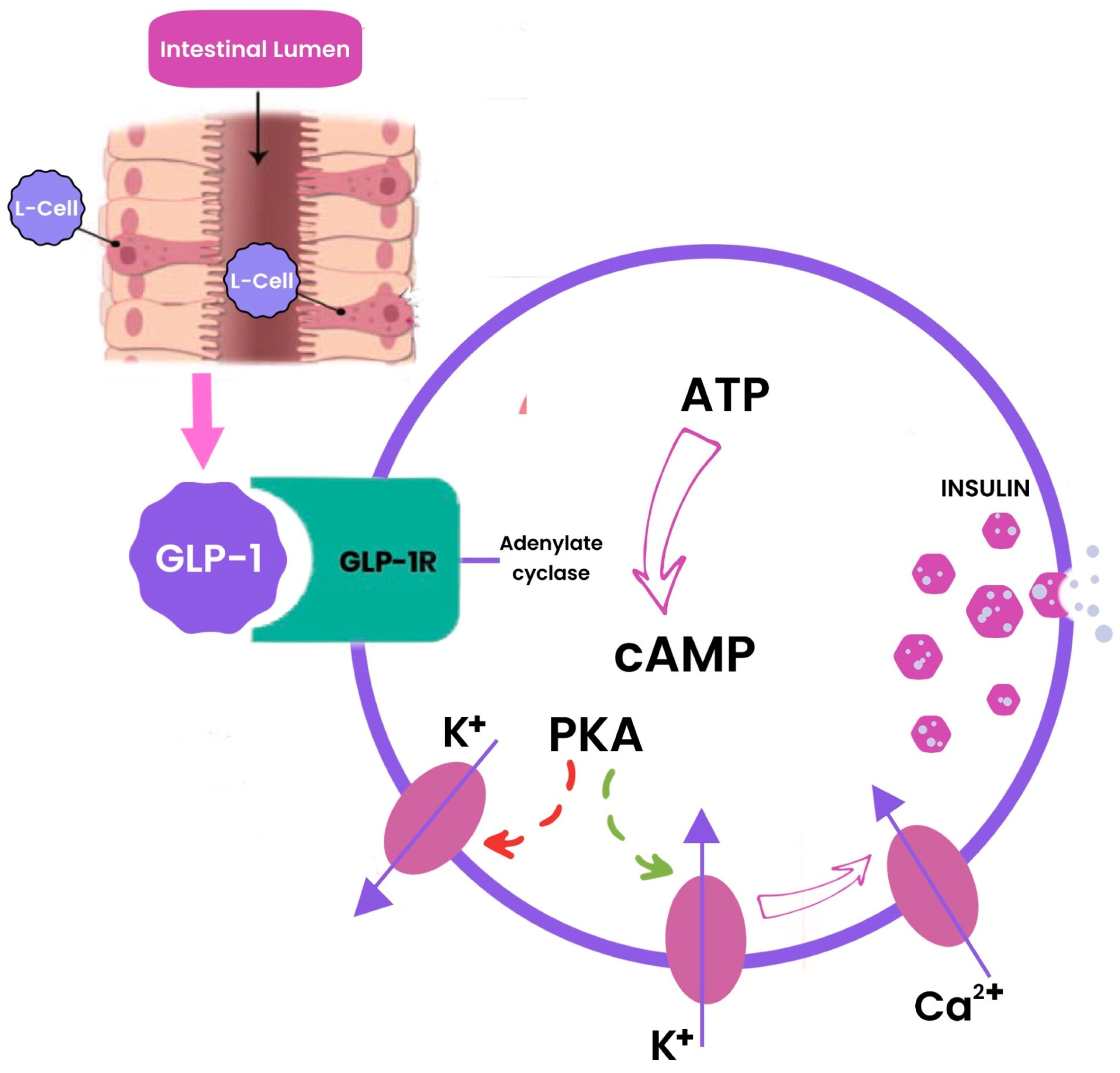
Discontinuation of Glucagon
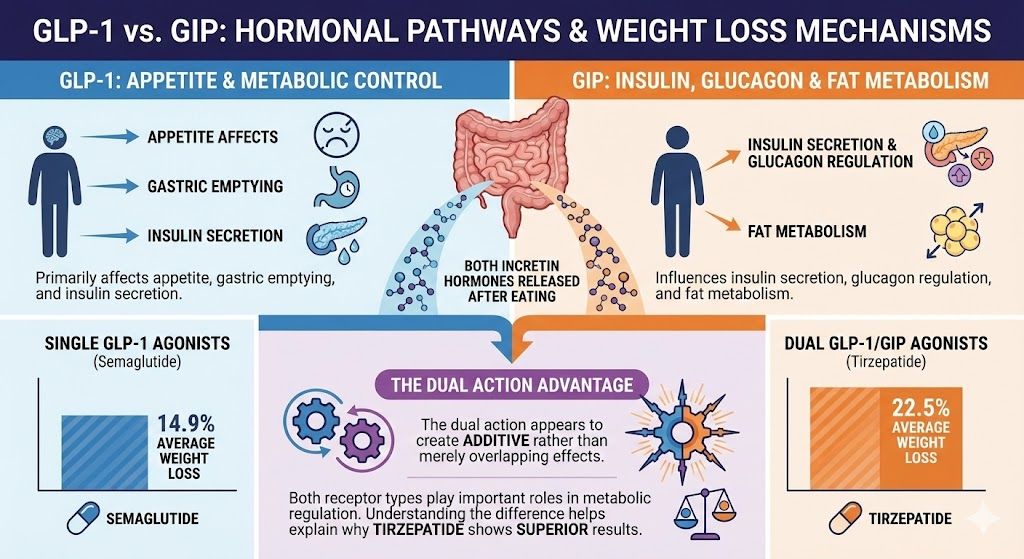
Discontinuing GLP-1 RA therapy has important clinical implications. In the STEP-1 extension 3 and STEP-4 trials, 4 two-thirds of the weight lost on treatment was regained after discontinuation of semaglutide, with worsening of cardiometabolic parameters such as glucose levels, blood pressure, and cholesterol levels. While the effect of discontinuation on cardiovascular risk is not well-defined ...
Background Glucagon-like peptide-1 receptor agonists ( GLP -1RAs) effectively promote weight reduction and improve glycemic control, blood pressure, and lipid profiles in individuals with overweight or obesity. This systematic review and meta-analysis evaluates the durability of these therapeutic benefits following treatment discontinuation. Methods We conducted a systematic search of PubMed ...

Key Details About Kidney Function Improvement After Discontinuing Glp-1 Receptor Agonist Treatment
The US Food and Drug Administration approved the GLP-1 receptor agonist semaglutide to reduce kidney and cardiovascular risk in patients with type 2 diabetes and CKD in January 2025, with data on treatment effects still accumulating.

This Review appraises the current status of GLP-1 peptide and its receptor agonists and focuses on the preclinical as well as recent seminal clinical findings defining the kidney benefits conferred by GLP-1 receptor agonist treatment in people living with type 2 diabetes and obesity. Introduction
Discontinuing SGLT2is, GLP
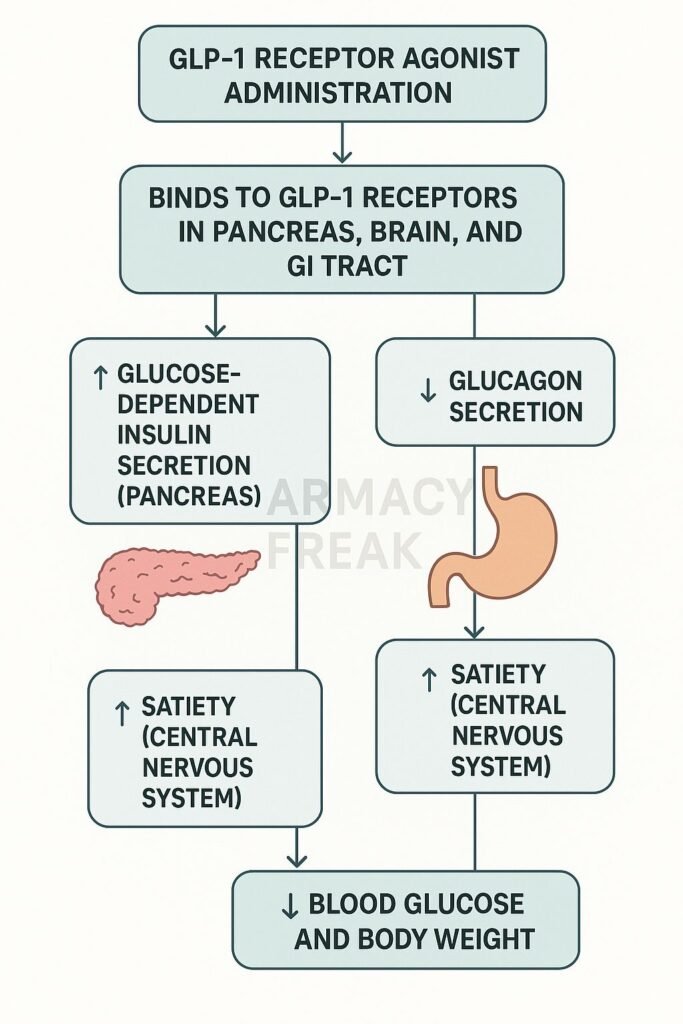
This particular example perfectly highlights why Kidney Function Improvement After Discontinuing Glp 1 Receptor Agonist Treatment is so captivating.
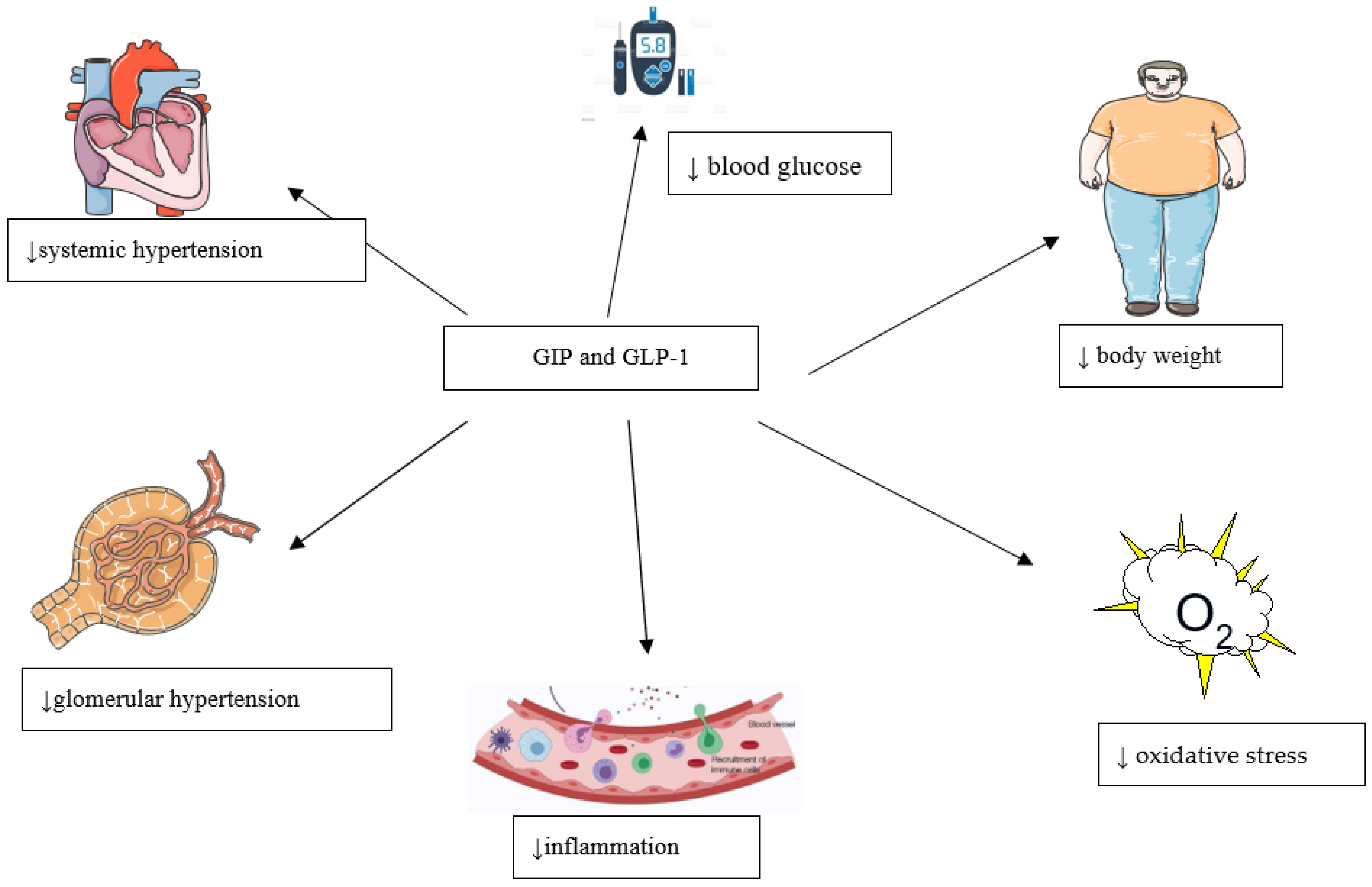
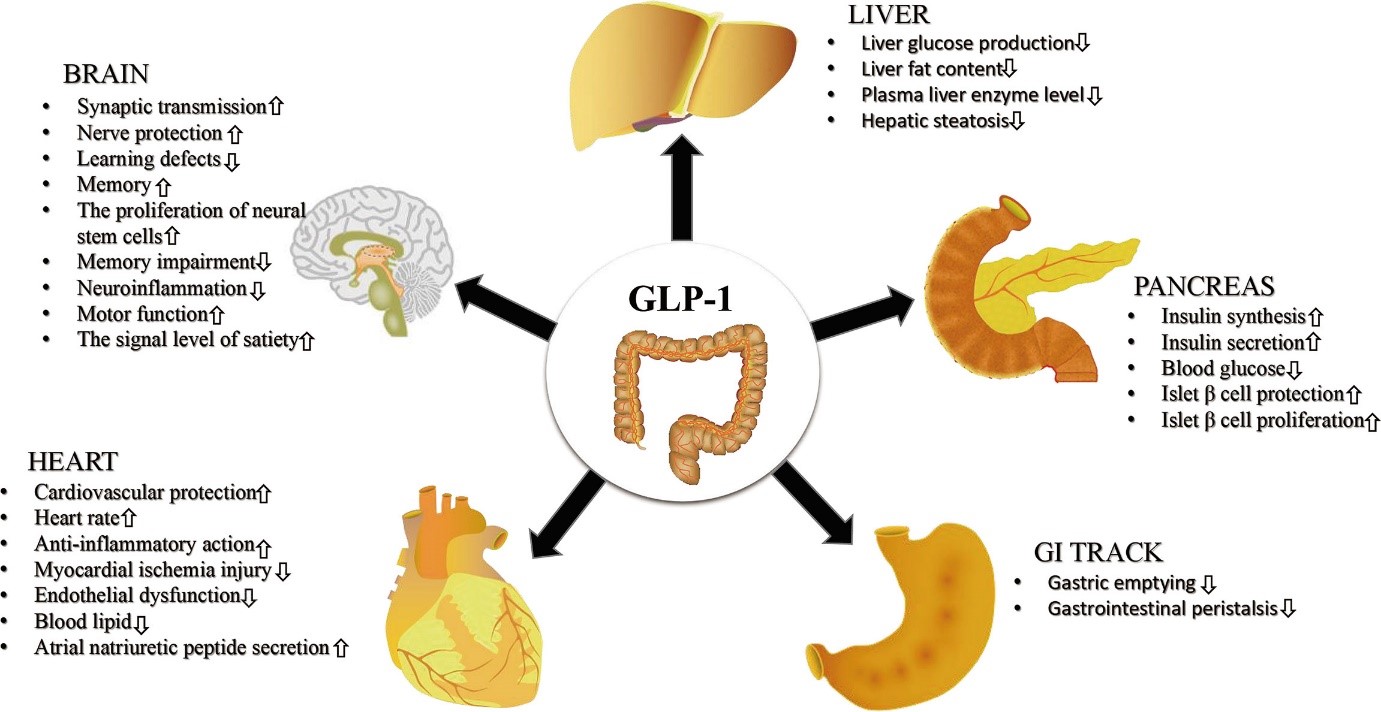
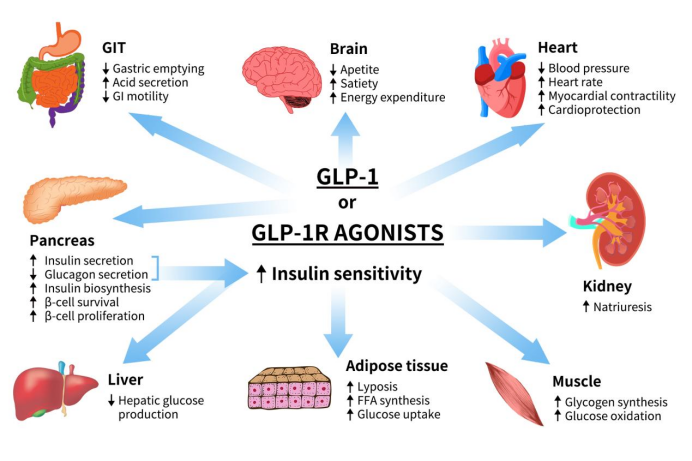
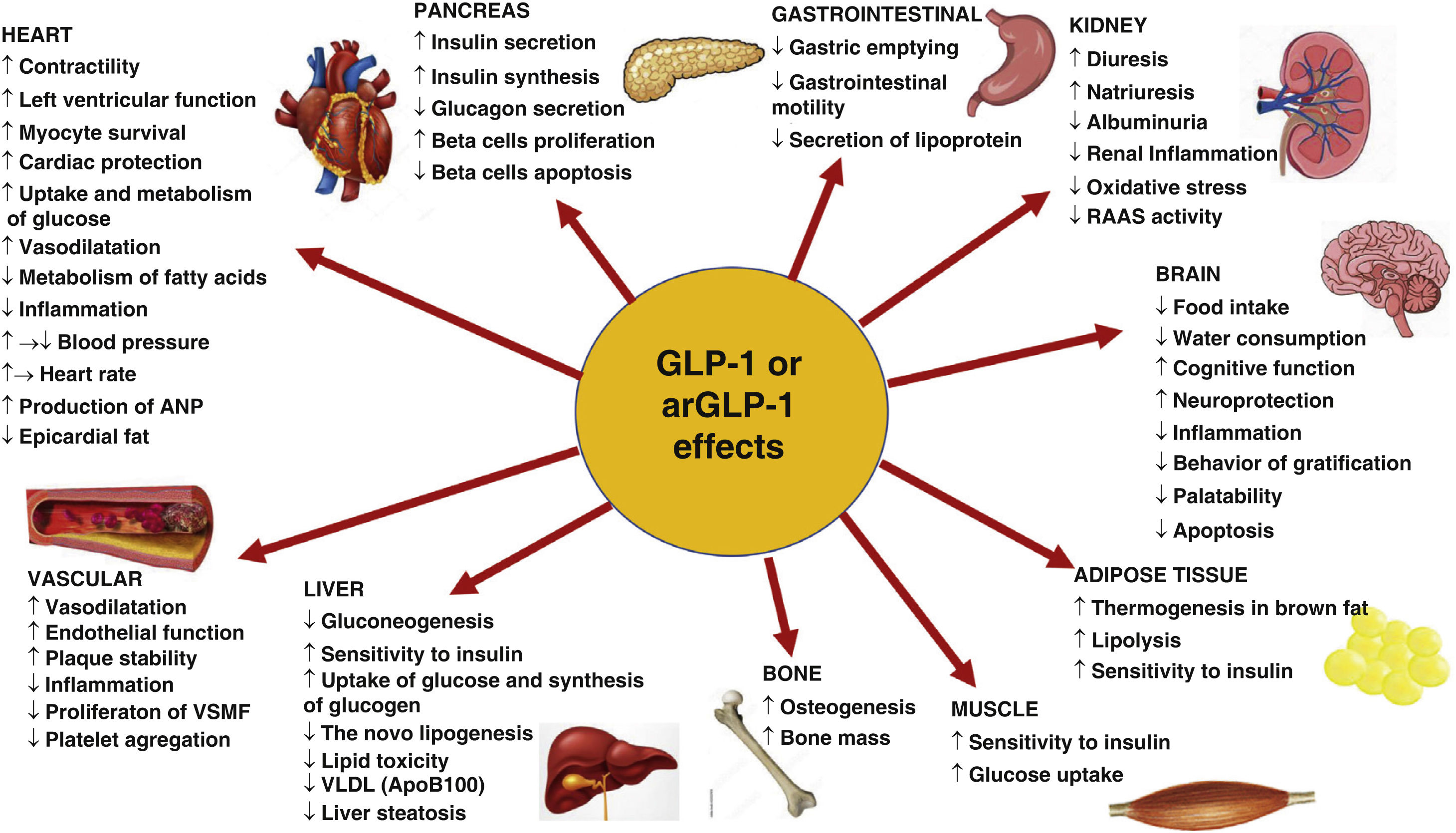
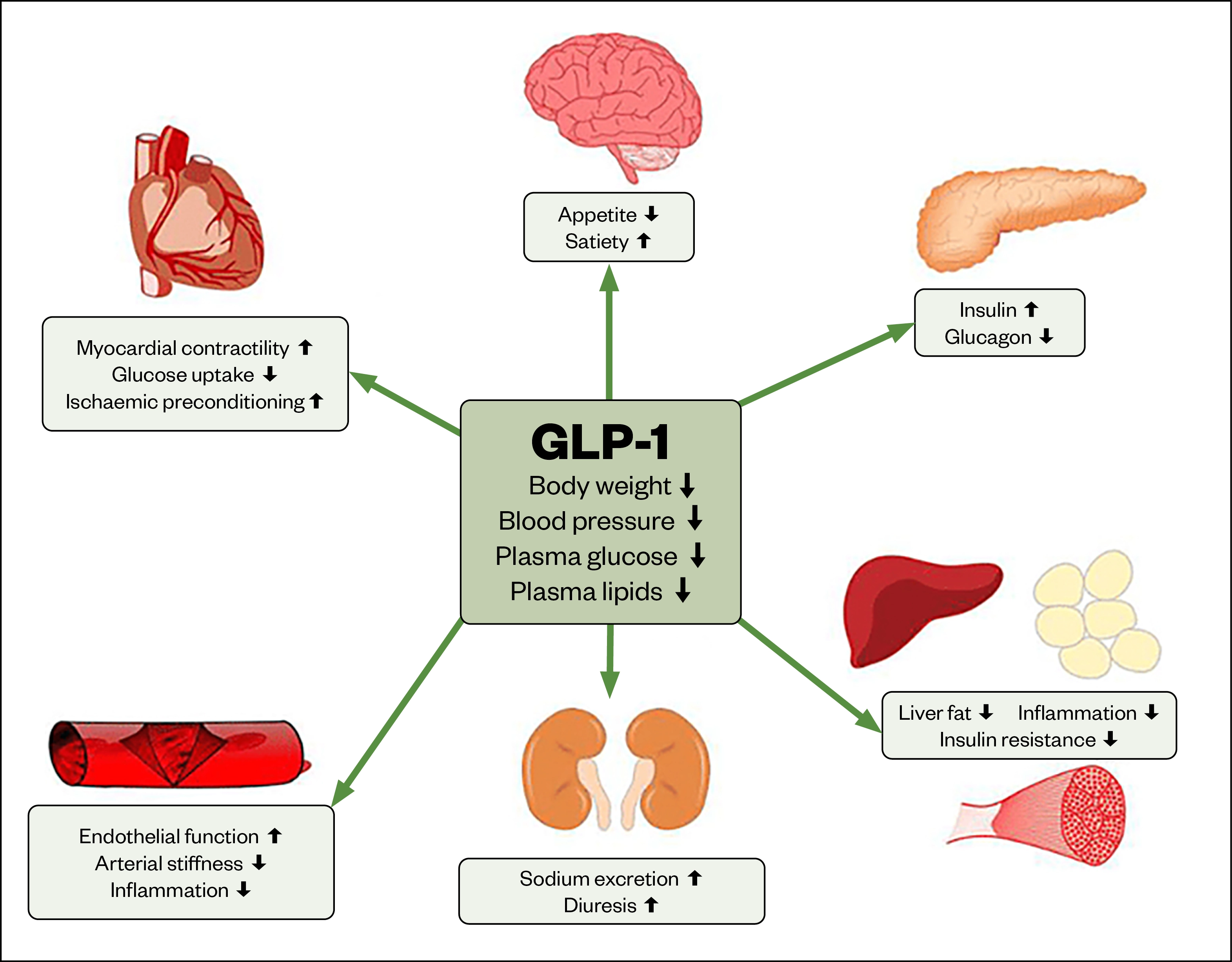
This receptor distribution suggests that GLP-1 receptor agonists may contribute to kidney function . Emerging evidence supports the role of GLP-1 receptor agonists in chronic kidney disease (CKD), particularly for patients with diabetes. These agents may slow CKD progression by improving glycemic control, reducing albuminuria, and possibly protecting against glomerular damage through their anti ...
Additional Notes on Kidney Function Improvement After Discontinuing Glp 1 Receptor Agonist Treatment
Comparative Effectiveness of Glucagon-Like Peptide-1 Receptor Agonists. For Kidney Function Improvement After Discontinuing Glp 1 Receptor Agonist Treatment, this point helps readers notice the most relevant visual details before moving into the gallery.
Glucagon-like peptide-1 receptor signaling modifies the extent of. It works as a short bridge between the article summary and the gallery section.
SGLT2 Inhibitors and GLP-1 Receptor Agonists in Kidney Transplantation. This note connects the source idea with the visuals in a simple, reader-friendly way.
Looking at multiple sources also helps separate the main idea from small decorative details.
These notes are added so the page offers more than images and gives each visitor a clearer reason to keep reading.