Embodied energy
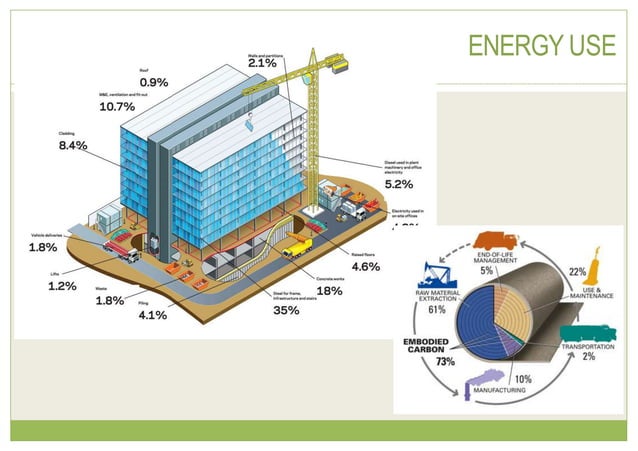
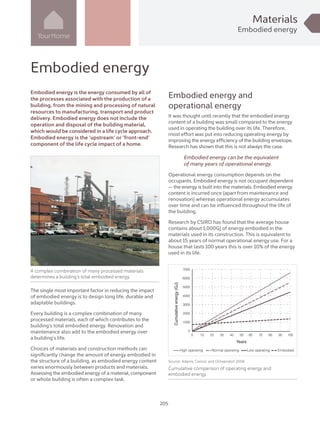
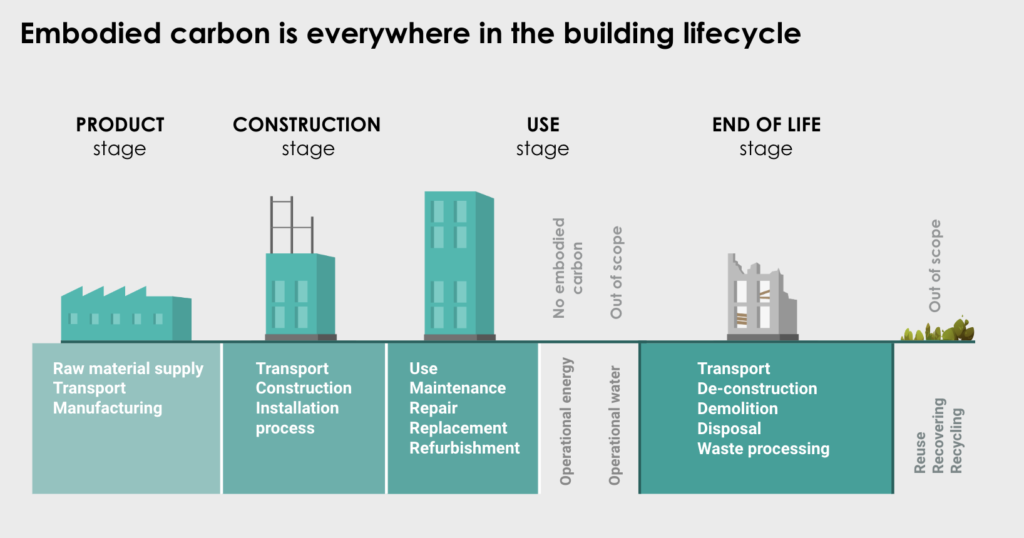
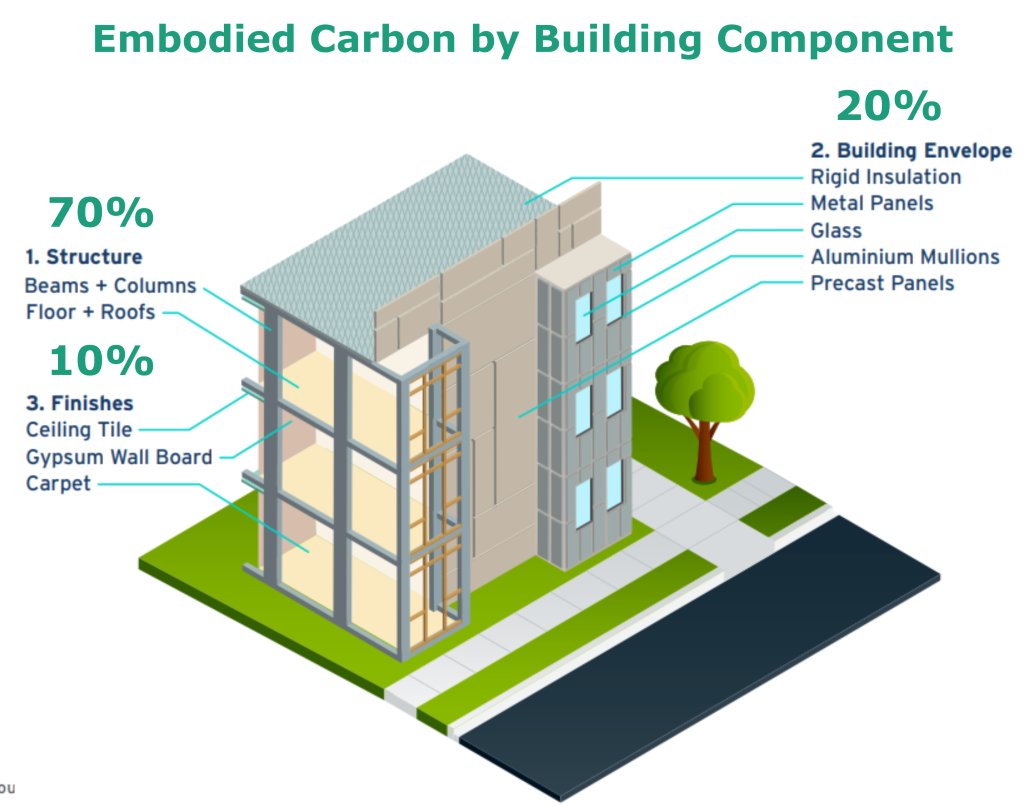
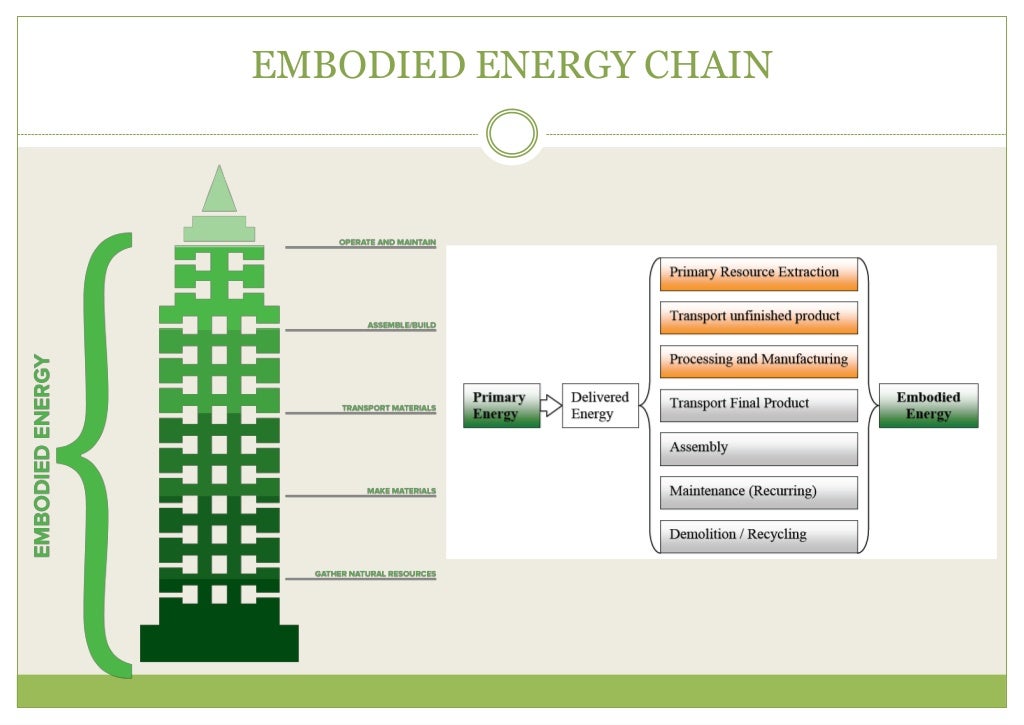
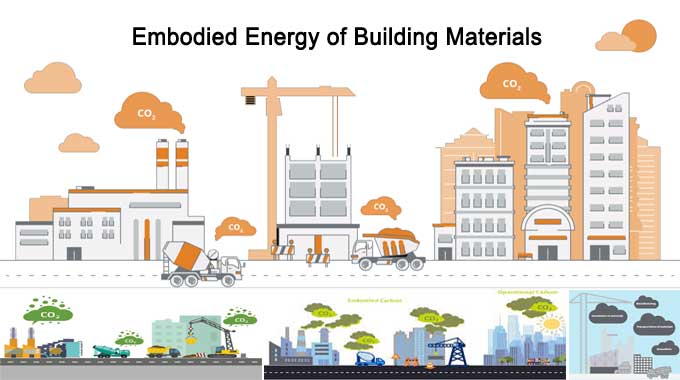
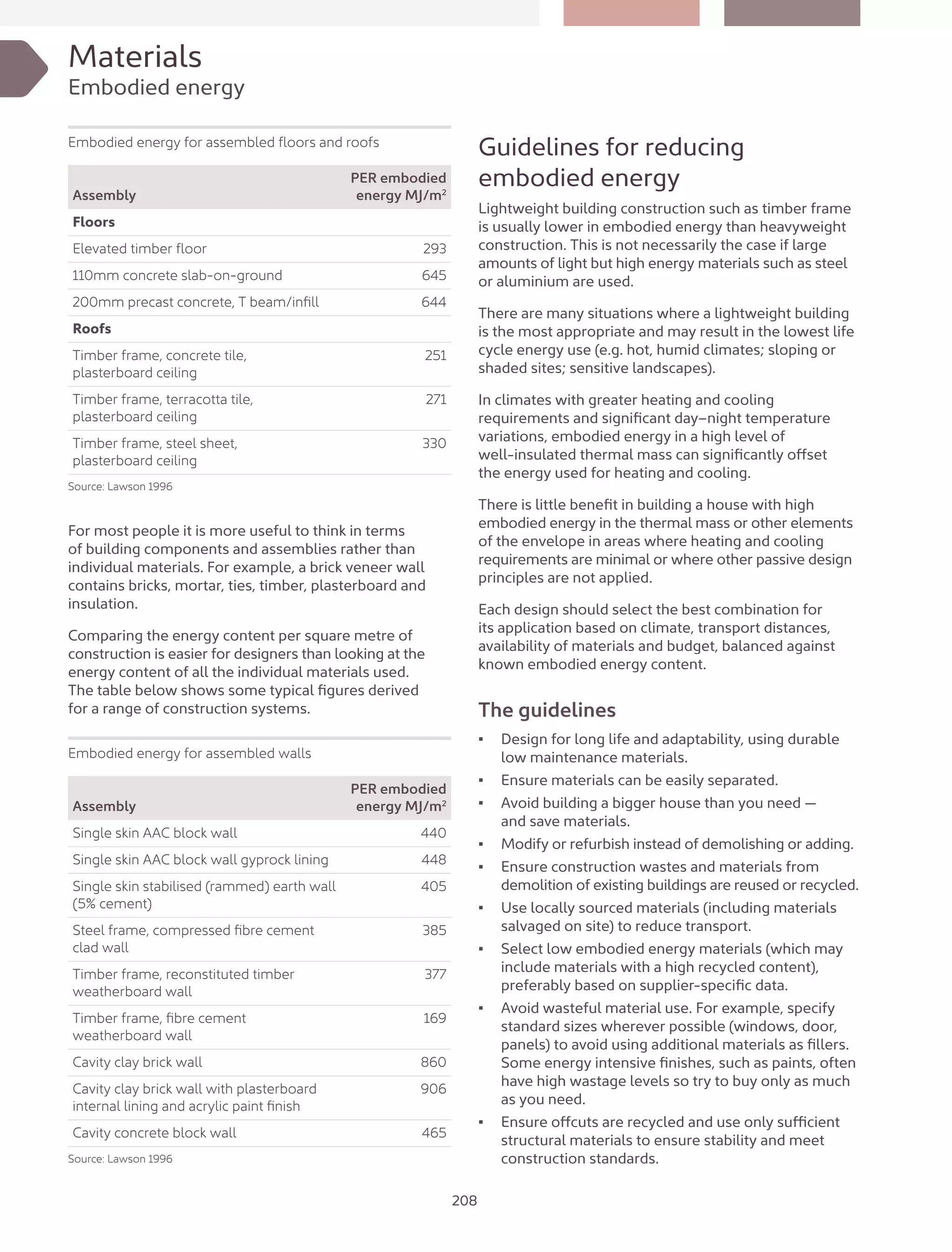
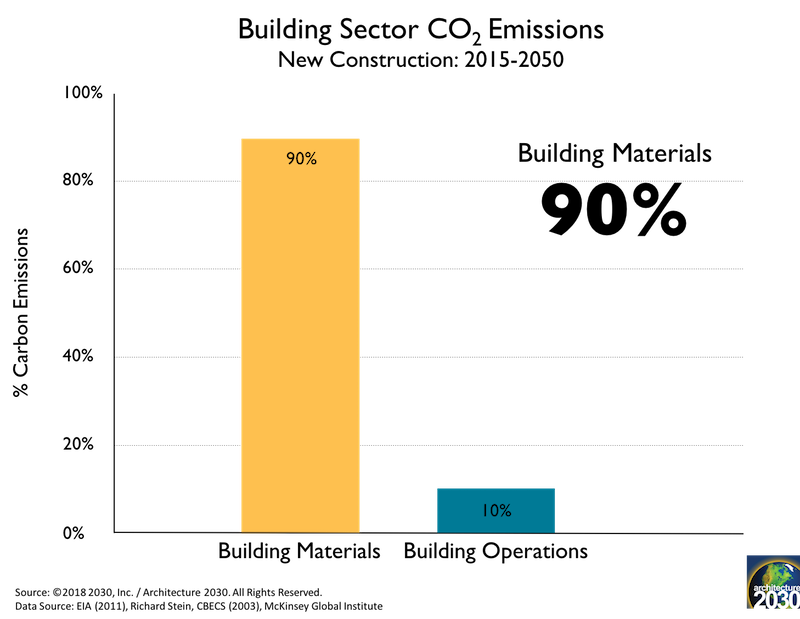
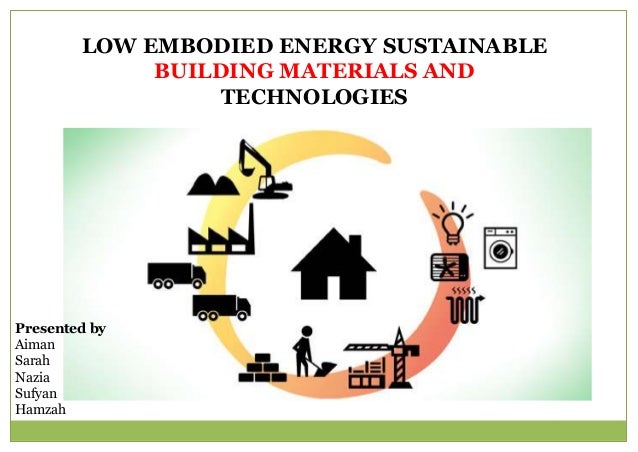
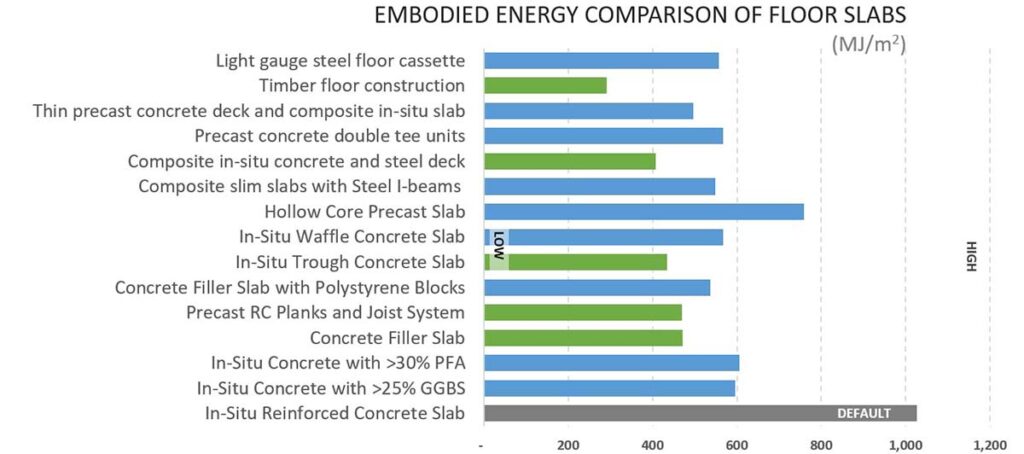
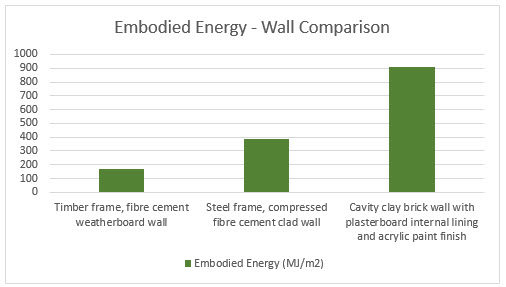
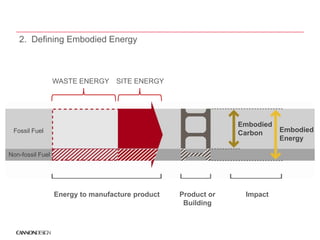
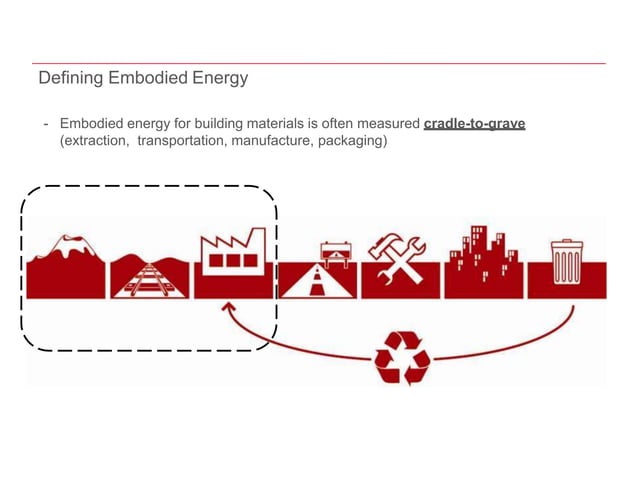
When researching low emission products you may come across the term Embodied Energy . What is the difference between Embodied Energy & Embodied Carbon? A. Embodied energy is the energy used to extract, manufacture, use, maintain and then dispose of a product at end of life (A to D). Embodied carbon is the carbon dioxide released at each of these stages, which depends on the carbon intensity of ...
From Floor to Frame
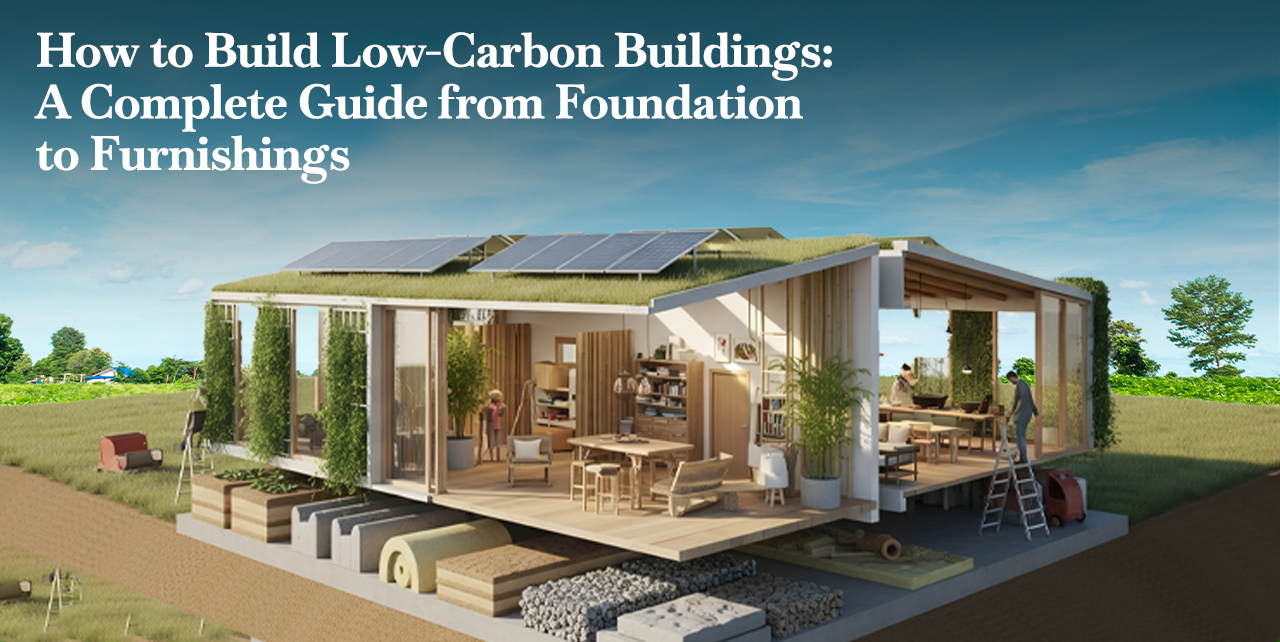
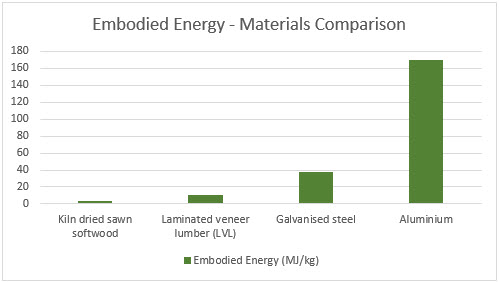
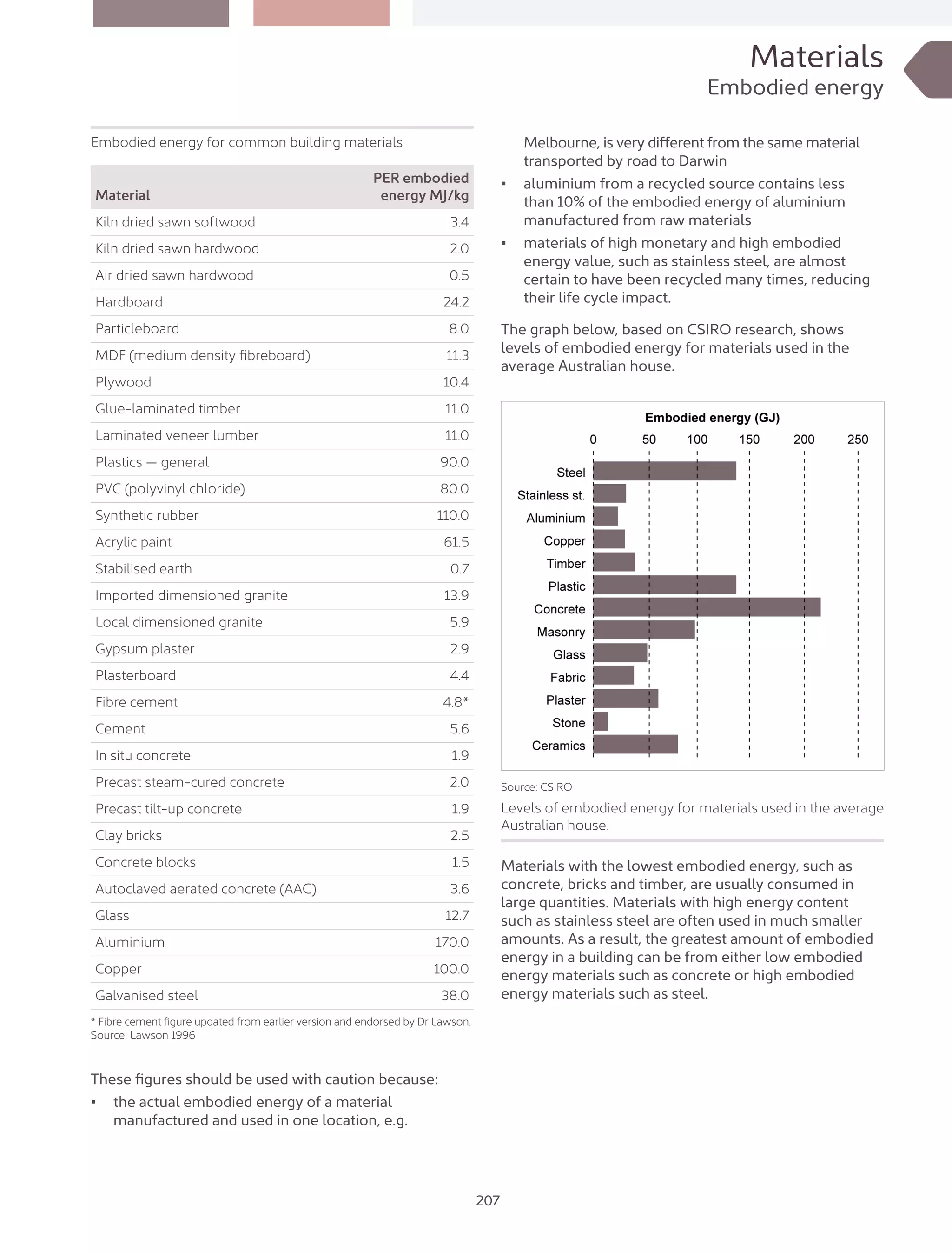
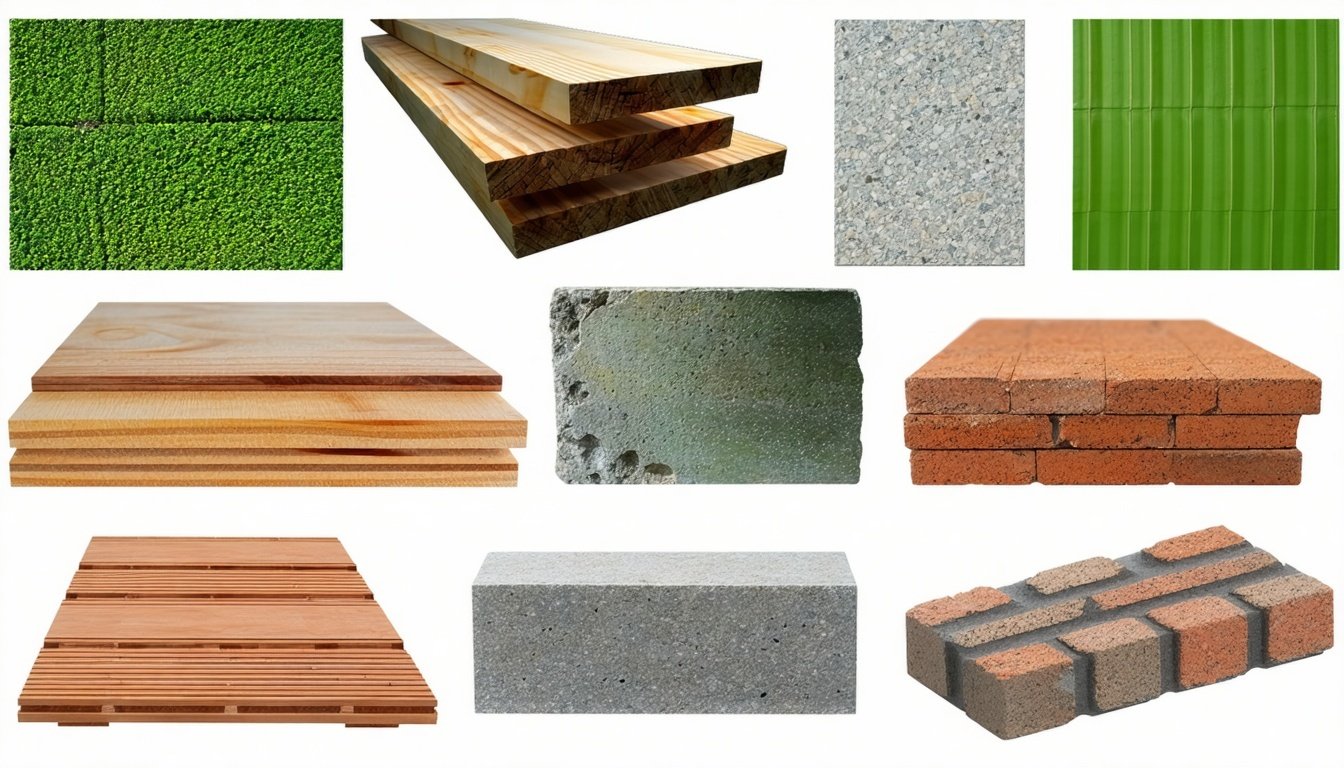
Low embodied energy (the total energy used to produce and transport them) Energy efficiency during use (like insulation) Non-toxic and safe for indoor environments Durability and long lifespan 10 Sustainable Building Materials : Examples Let's take a look at sturdy, eco-friendly building materials that are becoming more widely used in Australia.
Low carbon and low embodied energy materials in buildings
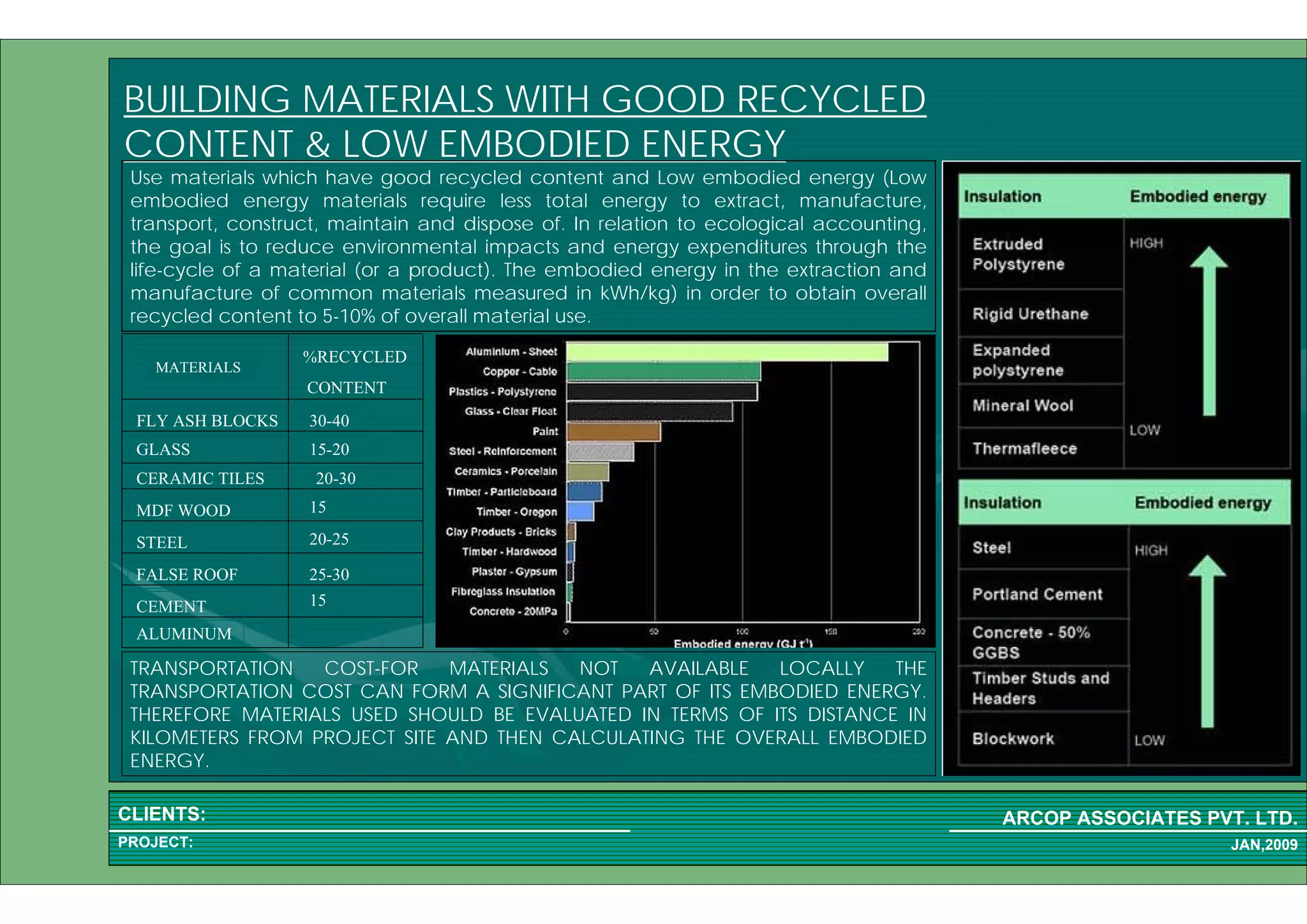
Moving forward, it's essential to keep these visual contexts in mind when discussing Renovation Materials With Low Embodied Energy.
Relationship between embodied energy and embodied CO2 or CO 2 footprint is defined. Different materials defined in the literature as low carbon materials are referred, such as cement and concrete, wood, bricks, rammed earth and sandstone. The review shows the research efforts found in the literature to develop new materials with less ...
Additional Notes on Renovation Materials With Low Embodied Energy
PPT - Greening Concrete PowerPoint Presentation, free download - ID:2626162. It gives the article a little more context before the image collection begins.
Low embodied energy. This note connects the source idea with the visuals in a simple, reader-friendly way.
10 Low Embodied Carbon Building Materials You Should Consider. The extra context helps the page feel more useful without forcing the same phrase repeatedly.
Looking at multiple sources also helps separate the main idea from small decorative details.
These notes are added so the page offers more than images and gives each visitor a clearer reason to keep reading.