Bladder Stones in Senior Cats
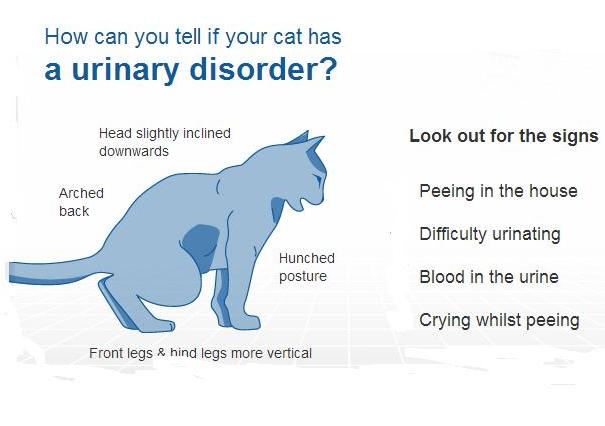
The mix of stone types is also different from dogs: calcium oxalate and struvite share the lead, struvite often forms without any infection at all, and the underlying drivers in older cats often include concentrated urine from dehydration, chronic kidney disease, and the multifactorial inflammation behind feline lower urinary tract ...
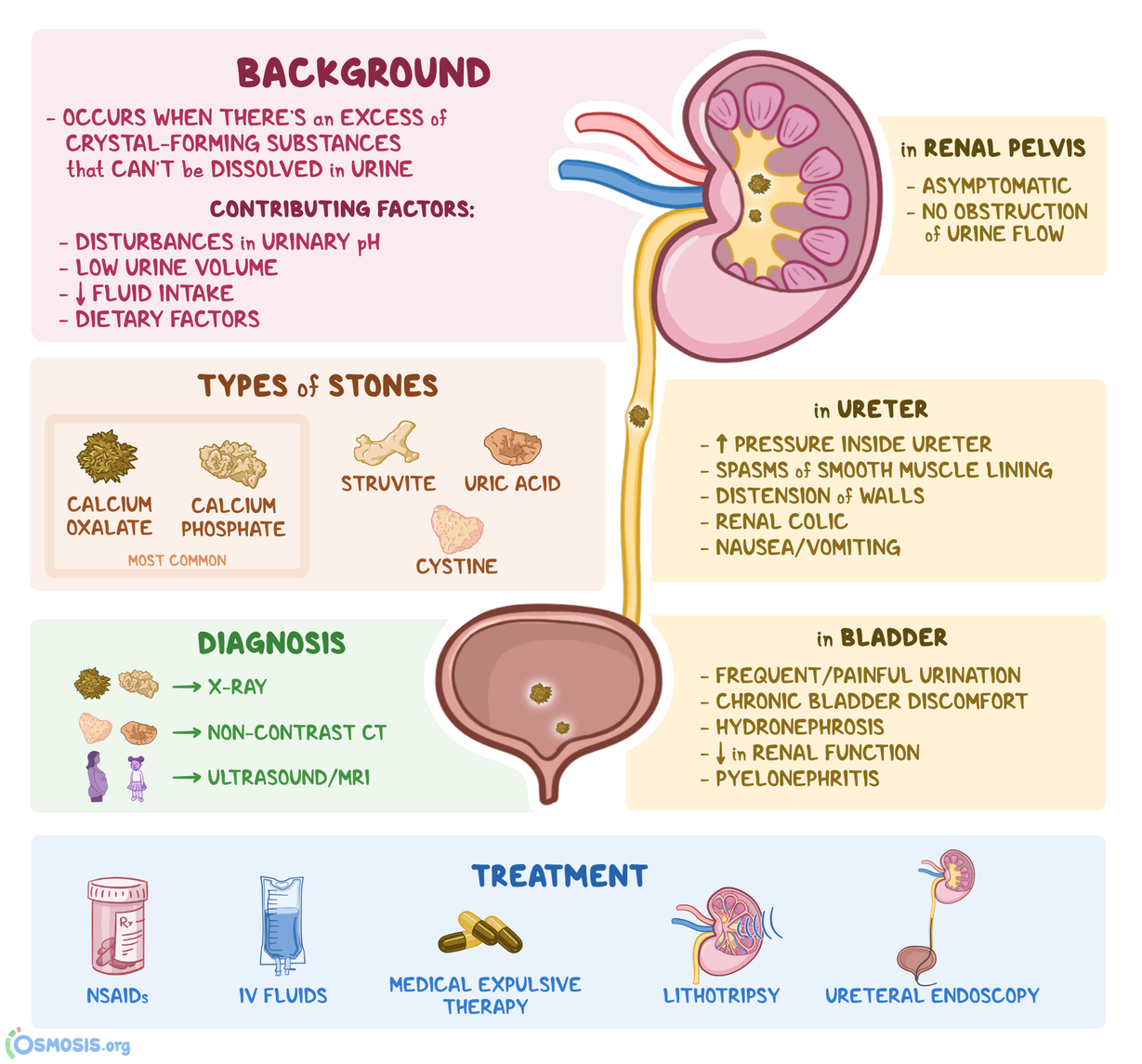
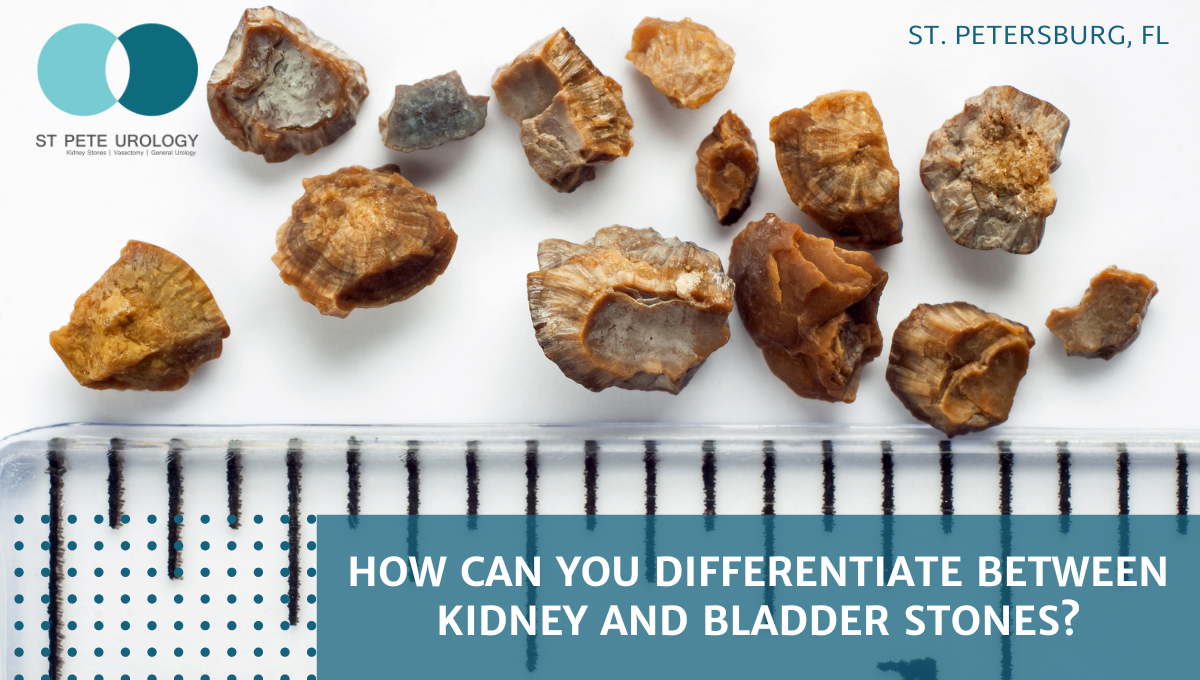
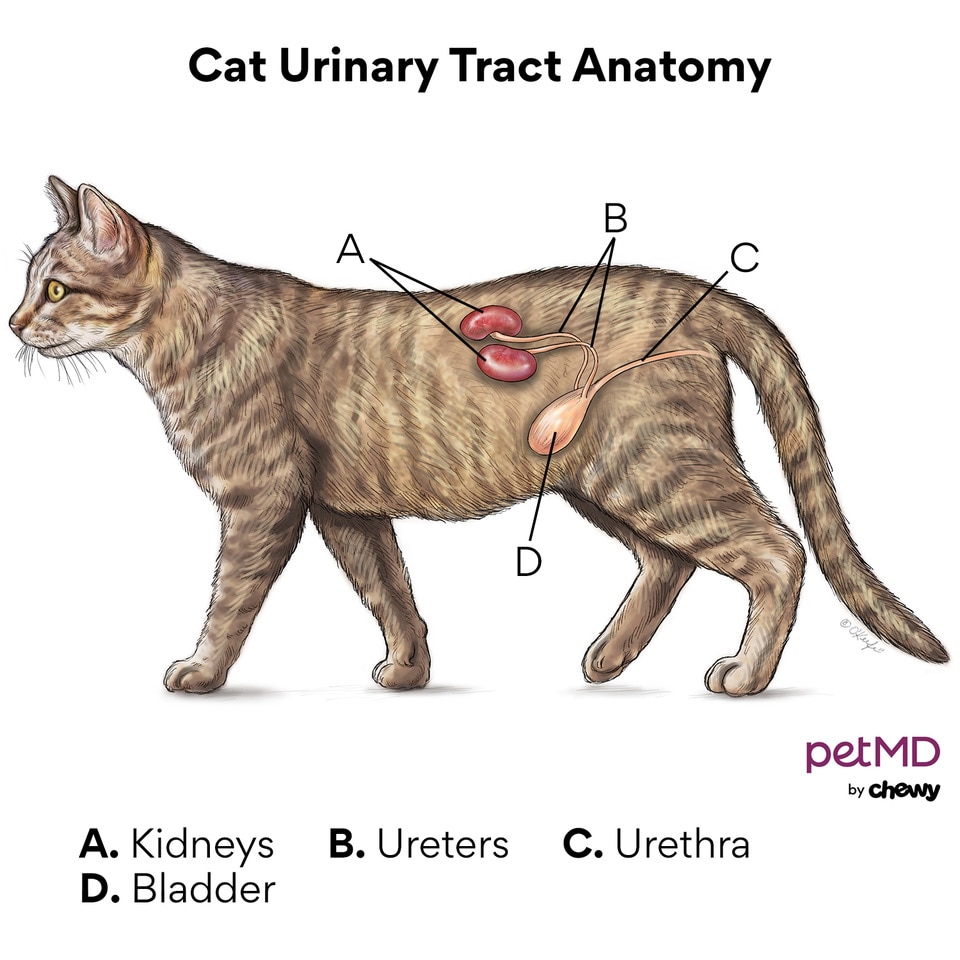
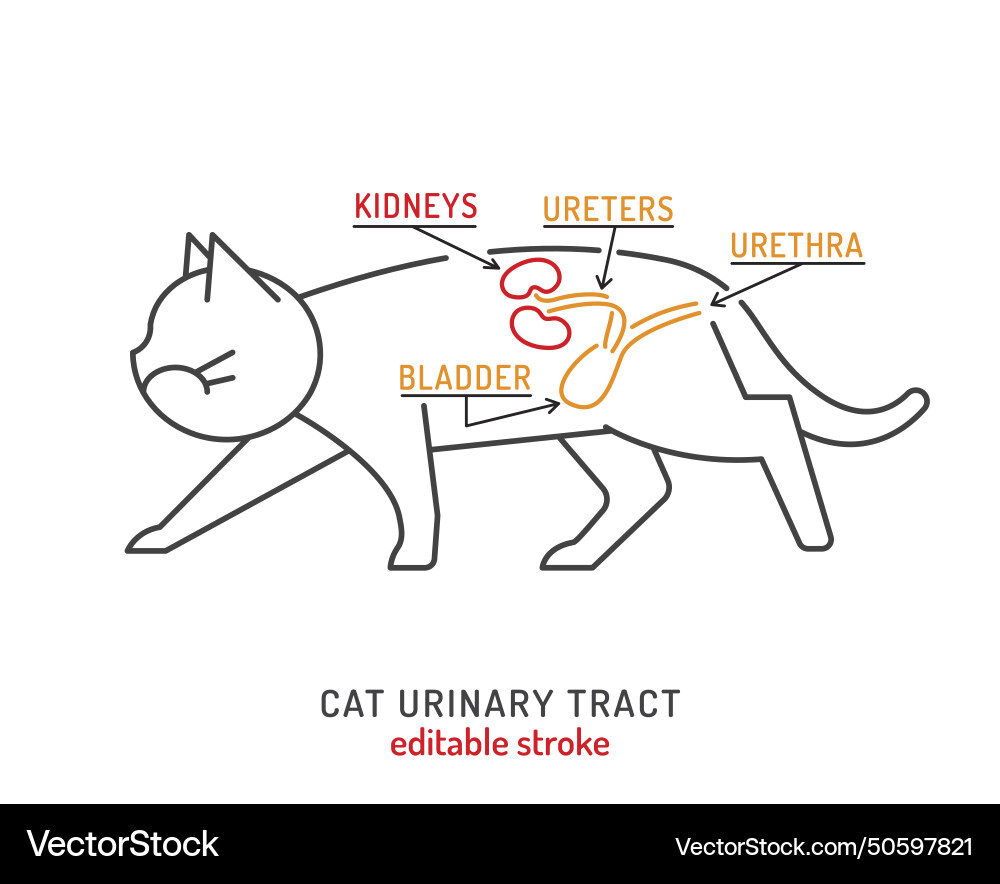
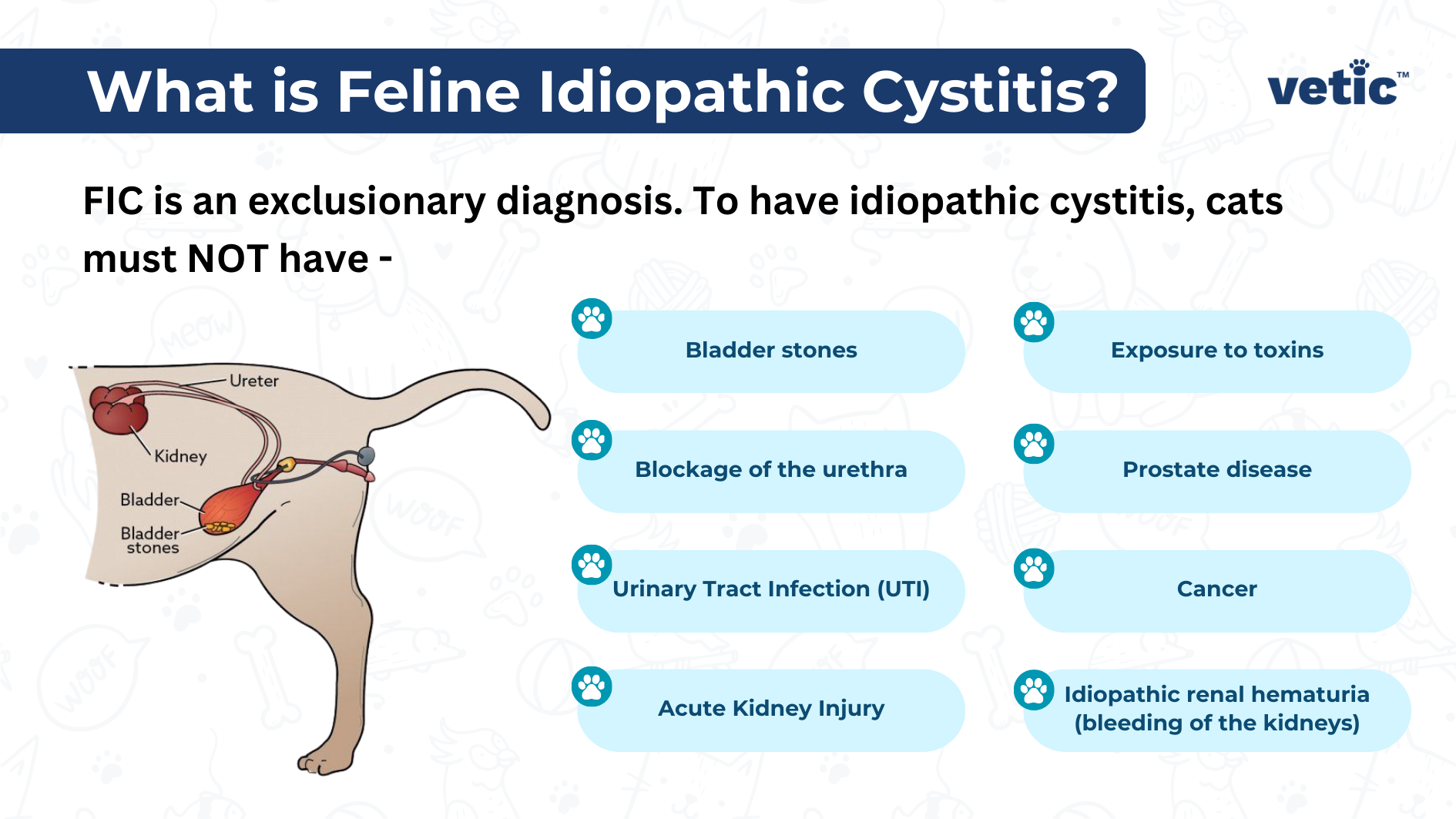
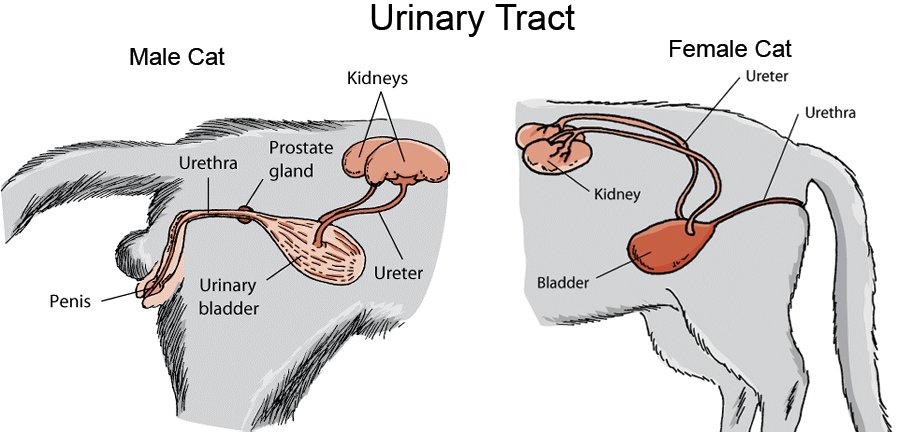
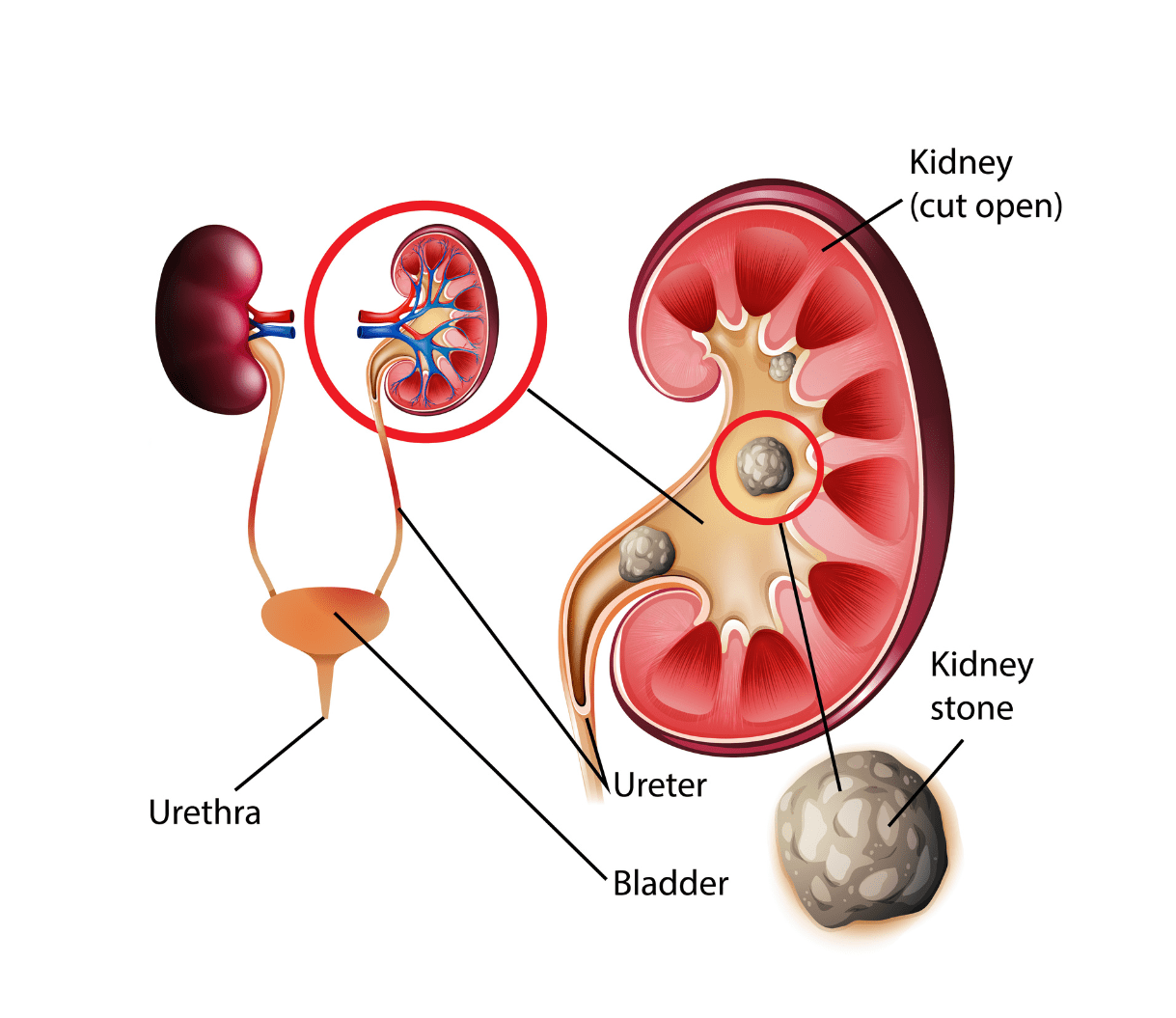
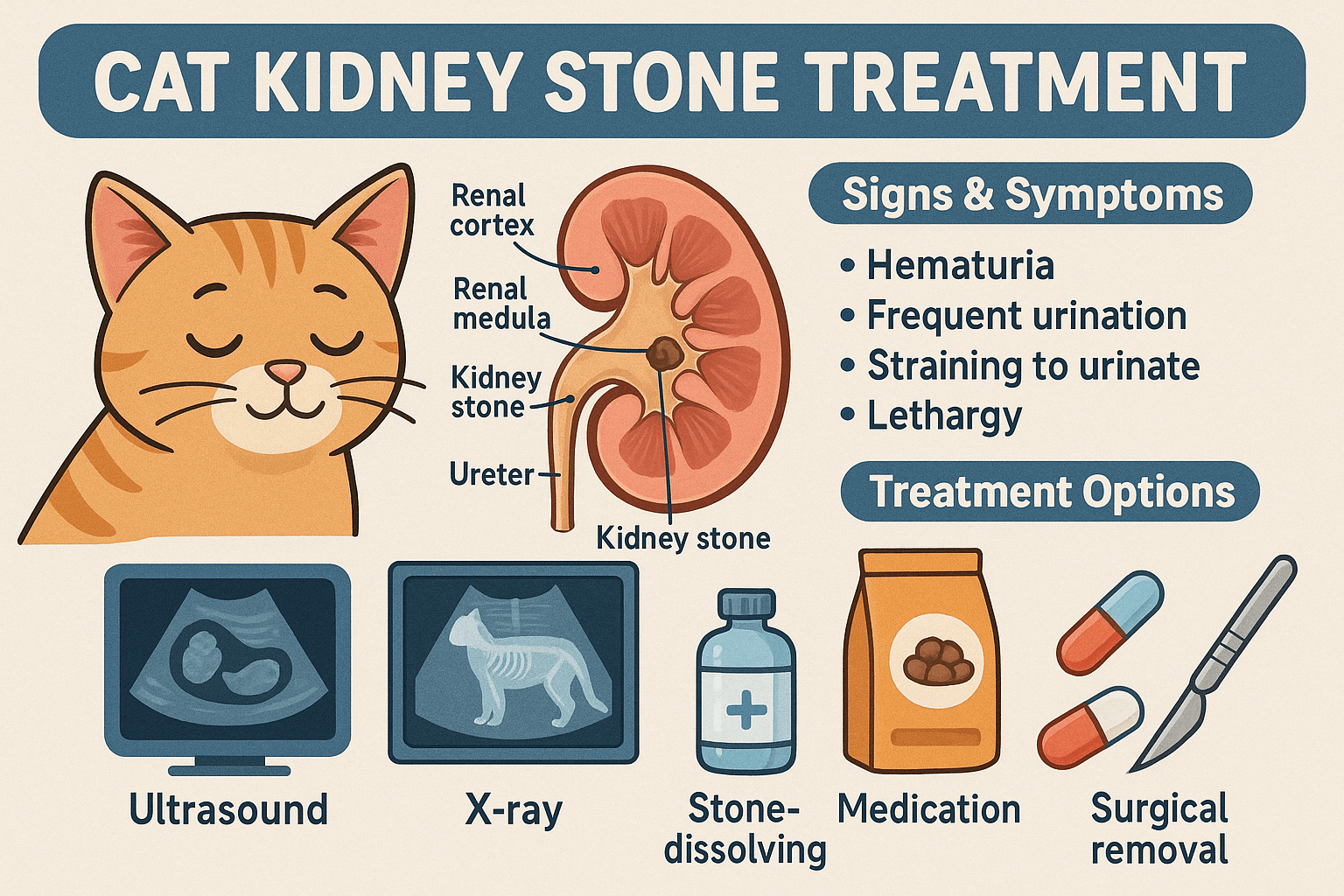
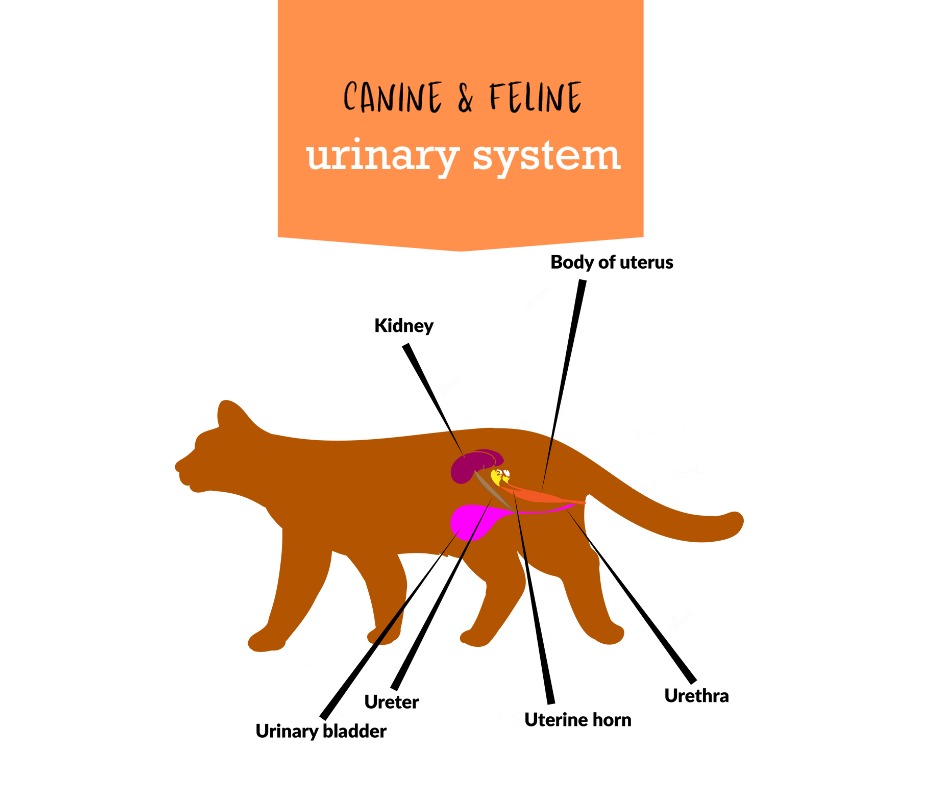
Bladder and Kidney Stones

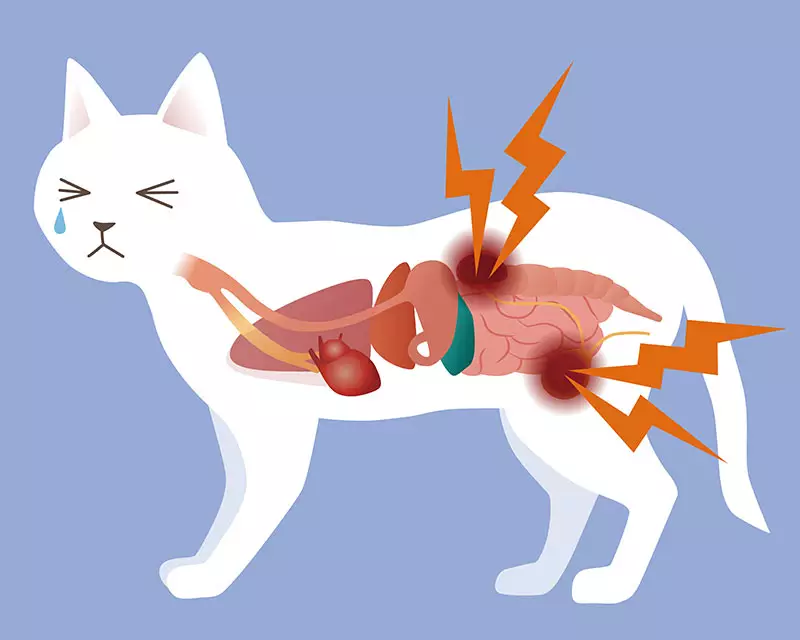
In some cases, bladder stones may be tiny and inconsequential, remaining harmlessly lodged somewhere within the urinary tract or passed without notice in a cat's urine.
Urinary Stones (Uroliths, Calculi) in Cats

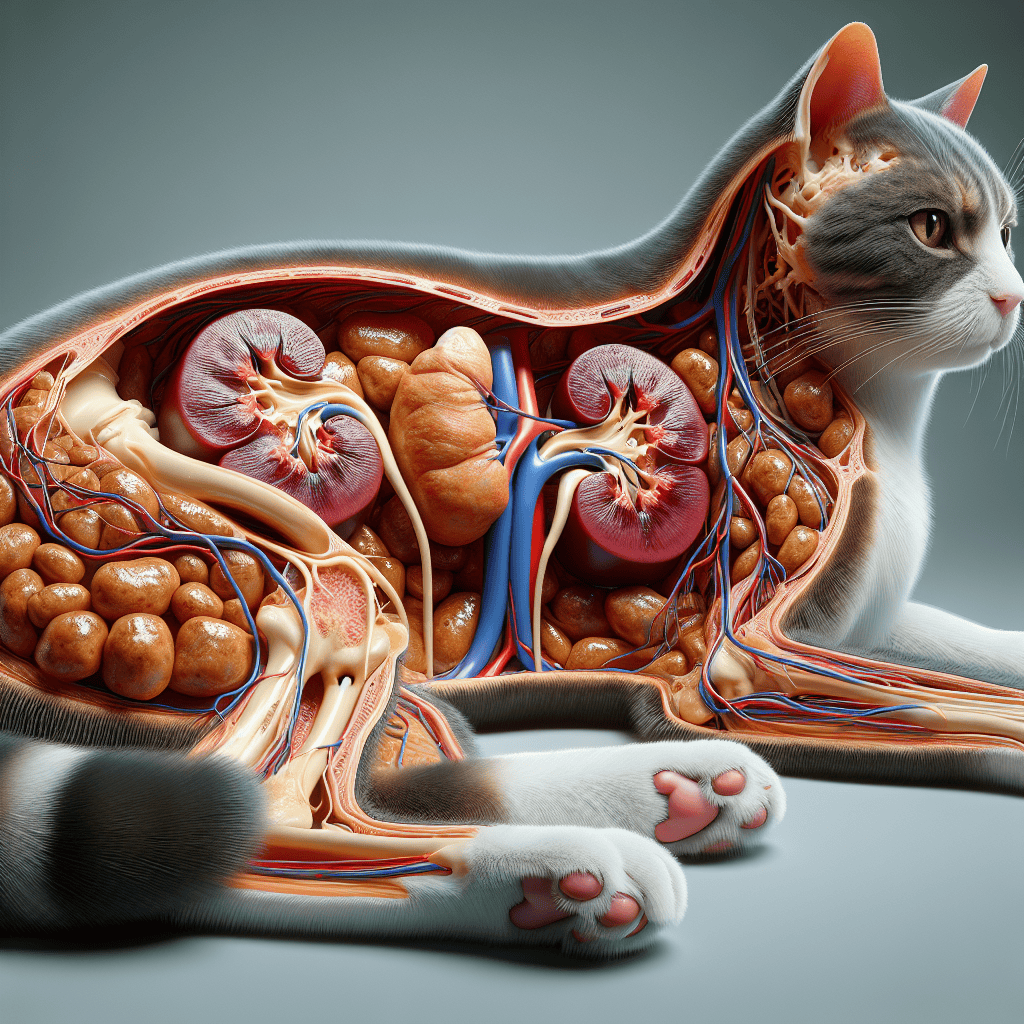
This particular example perfectly highlights why Senior Cat Kidney Stone And Urinary Tract Symptoms is so captivating.
The environment of the urinary tract may also contribute to stone formation. All of these conditions can be affected by urinary tract infections, diet, digestion, the amount of urine that a cat produces, how frequently a cat urinates, medications, and genetics.
Understanding Senior Cat Kidney Stone And Urinary Tract Symptoms Before the Gallery
Urolithiasis in cats | Vetlexicon Felis from Vetlexicon | Definitive. For Senior Cat Kidney Stone And Urinary Tract Symptoms, this point helps readers notice the most relevant visual details before moving into the gallery.
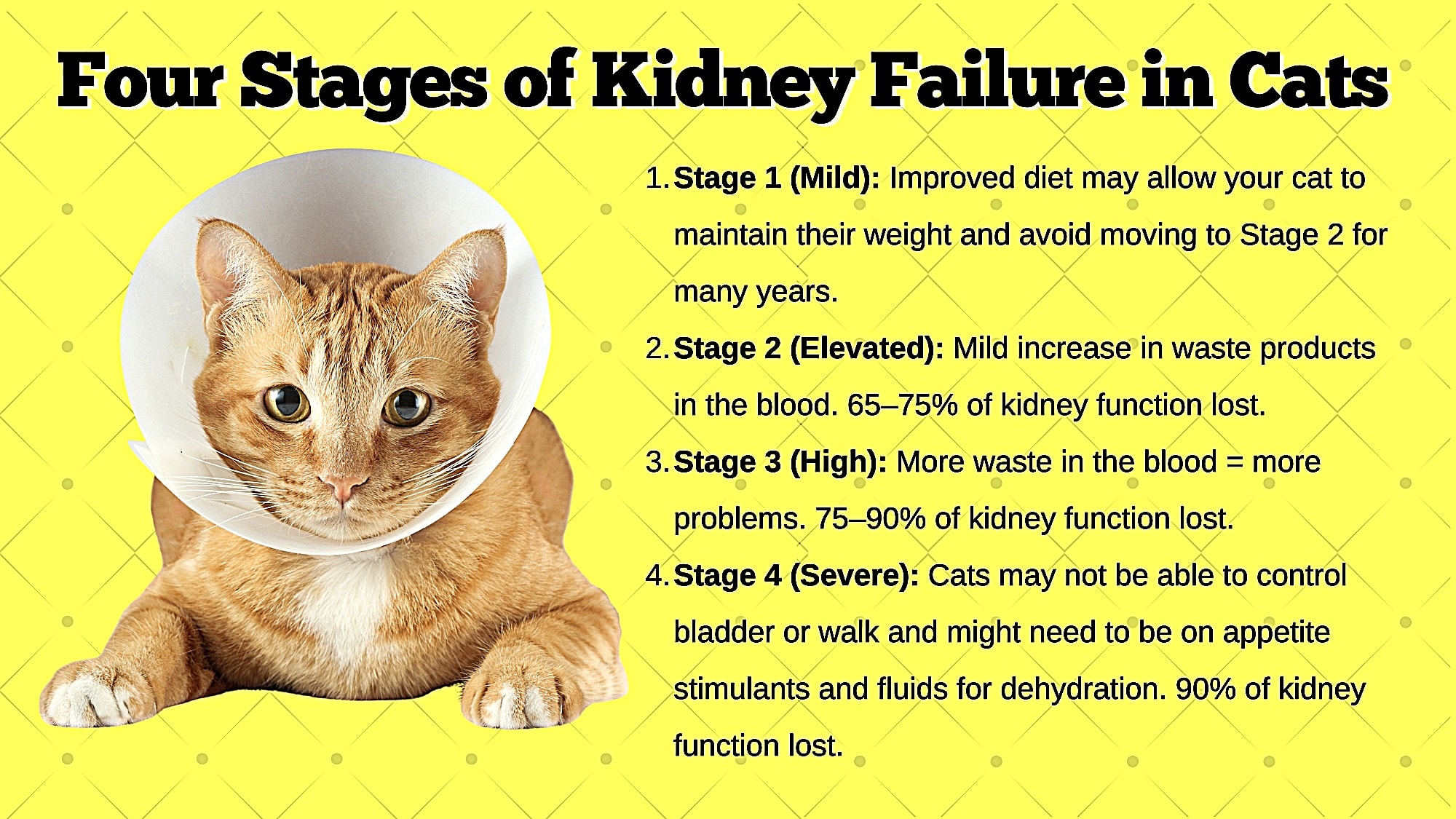
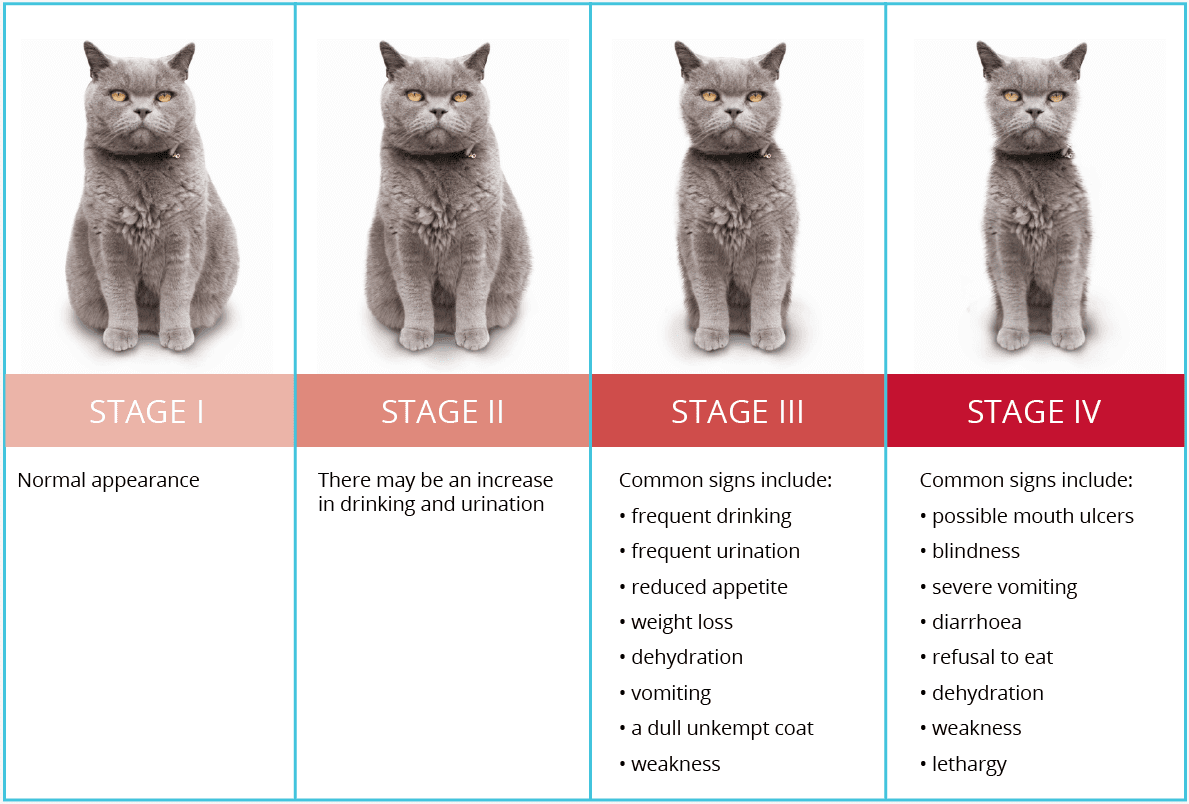
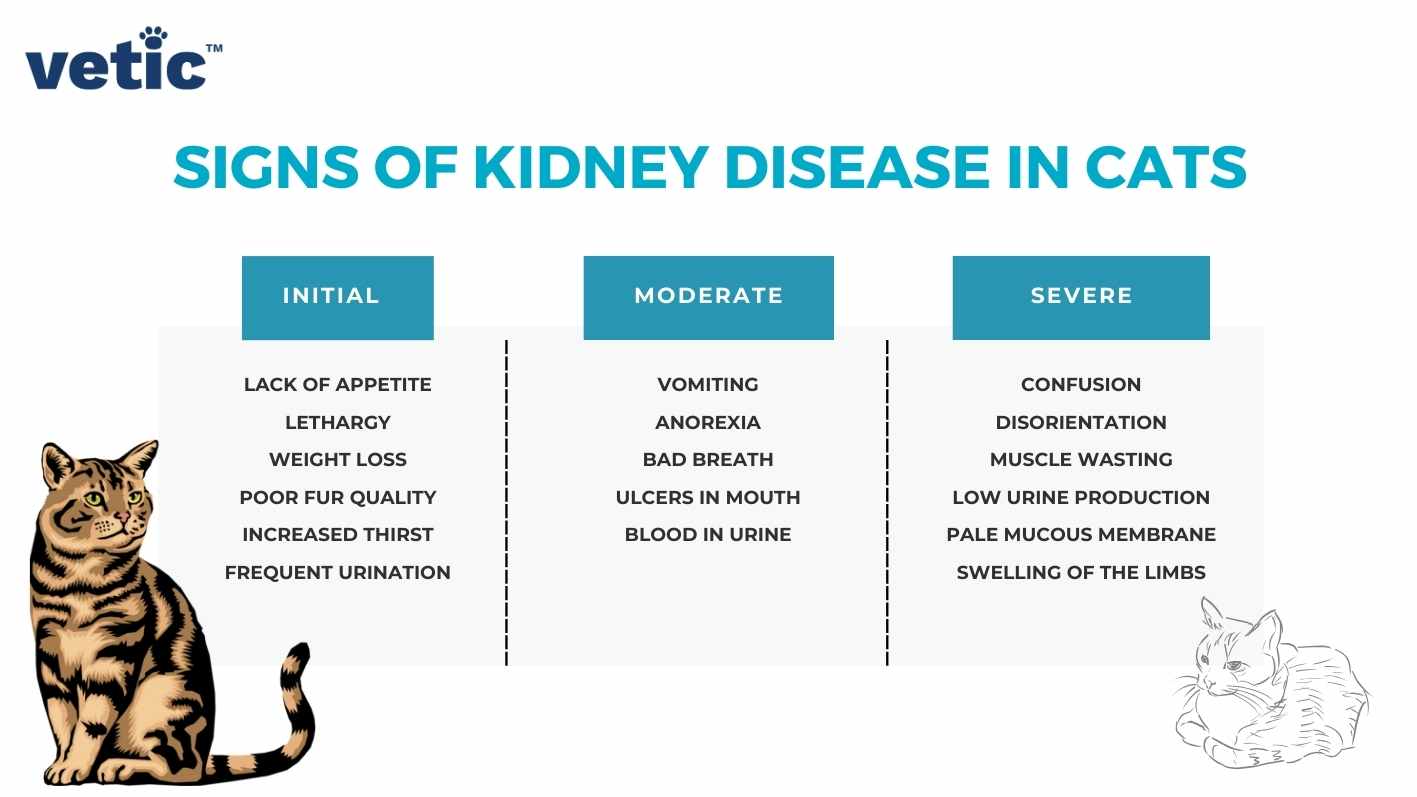
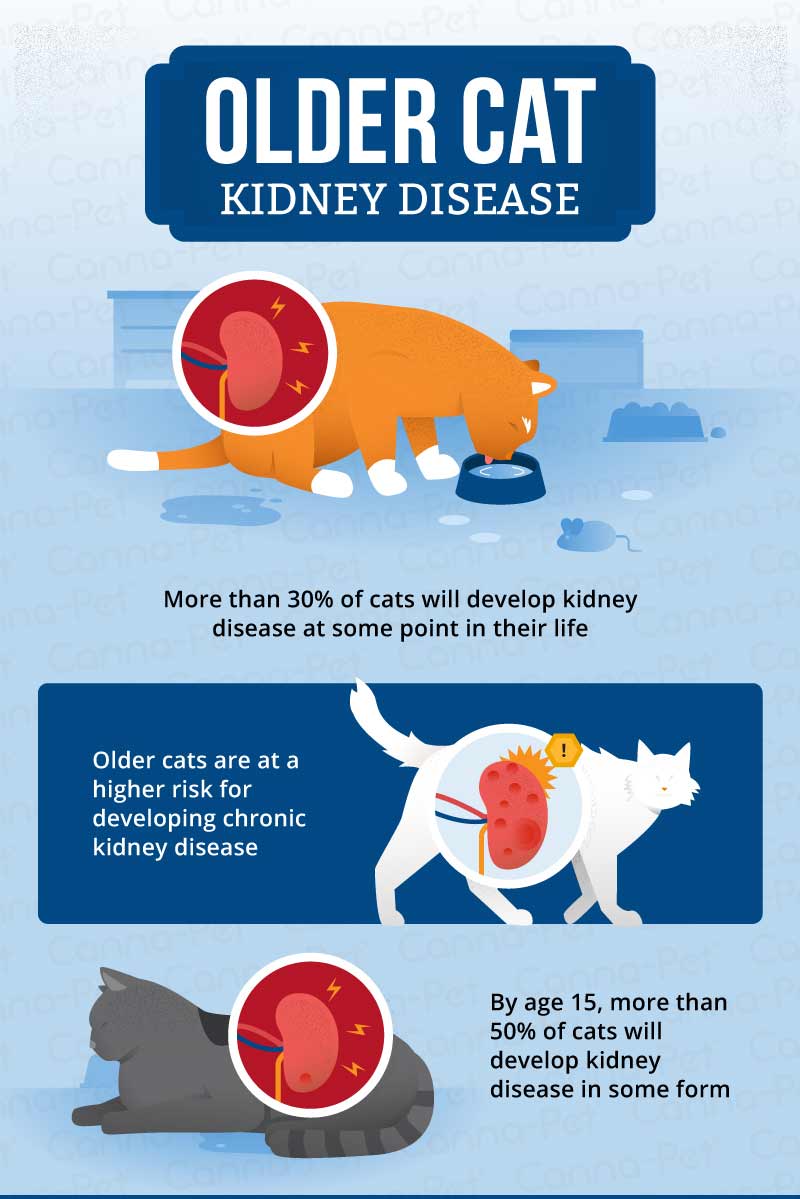
Chronic Kidney Disease in Cats (Part 1) | Australian Cat Lover. It gives the article a little more context before the image collection begins.
RVC research finds cat breeds at highest risk of kidney stones - News. The extra context helps the page feel more useful without forcing the same phrase repeatedly.
Looking at multiple sources also helps separate the main idea from small decorative details.
These notes are added so the page offers more than images and gives each visitor a clearer reason to keep reading.