Grape, Raisin, and Tamarind
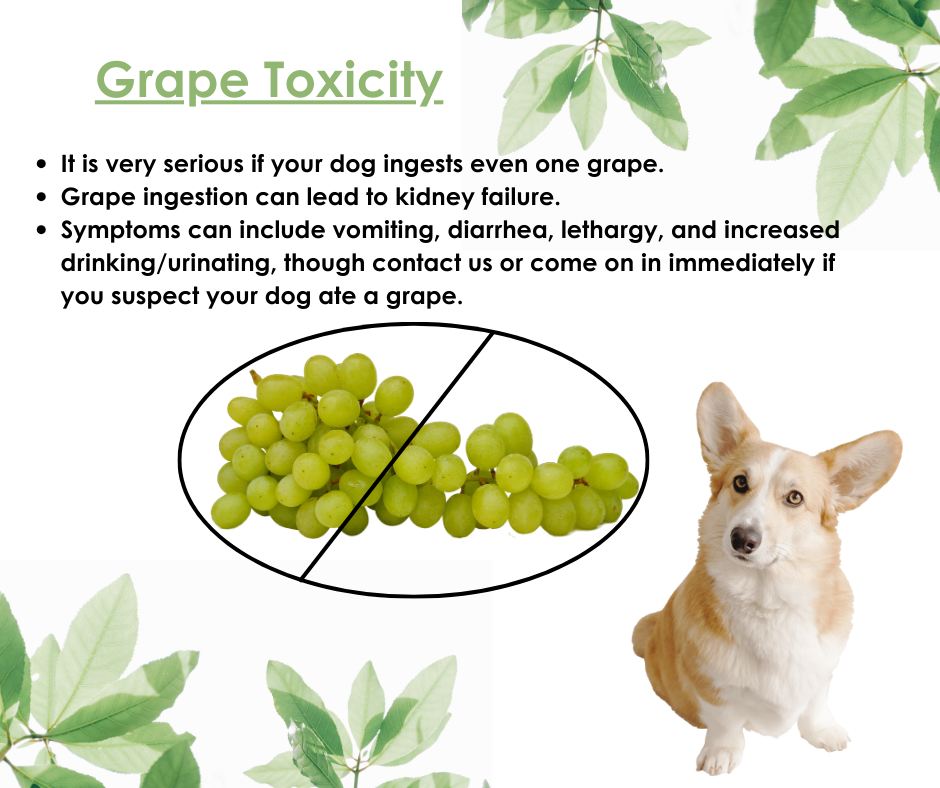
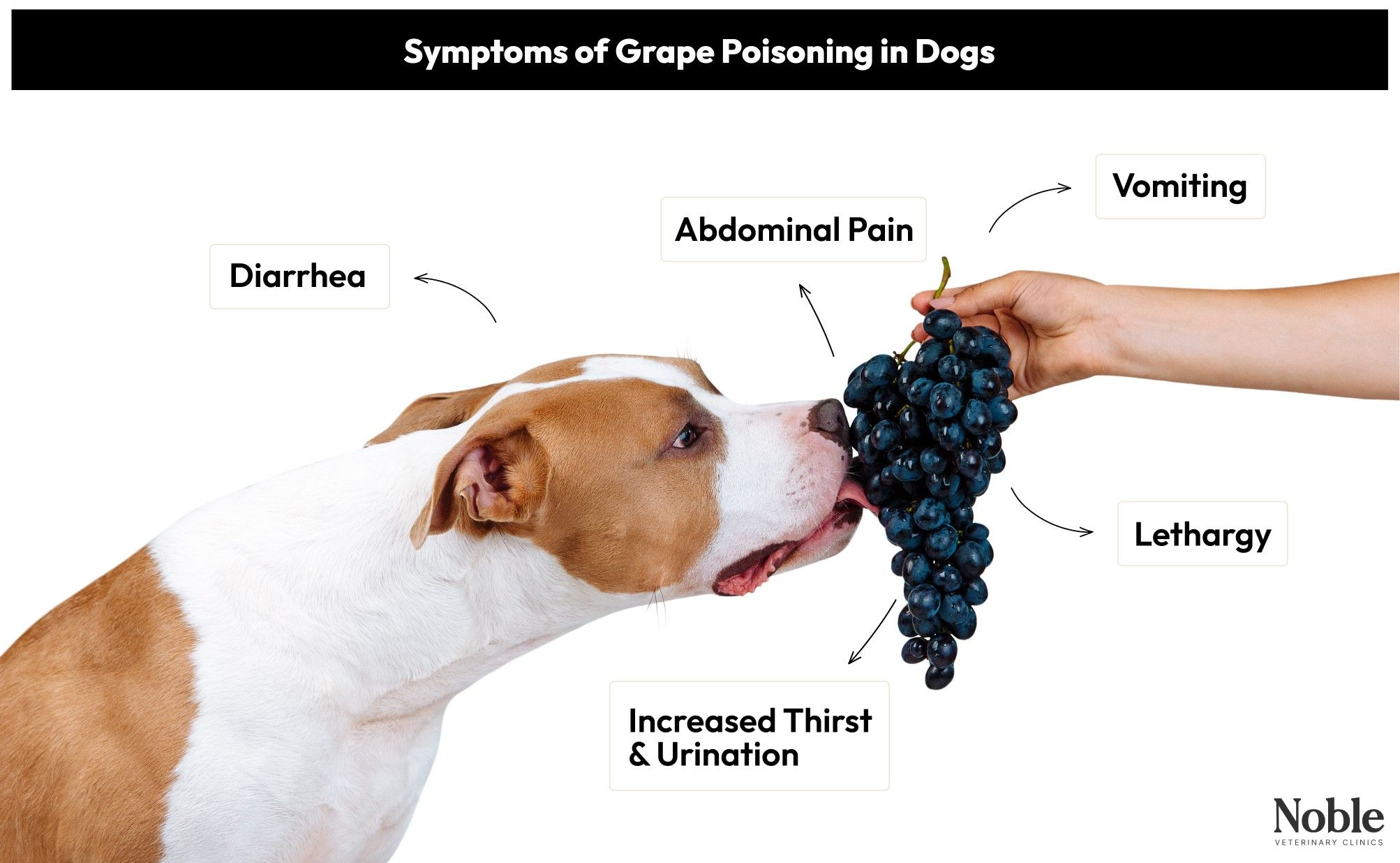
Clinical Findings of Grape , Raisin, and Tamarind (Vitis spp, Tamarindus spp) Toxicosis in Dogs Most dogs with grape , raisin, or tamarind toxicosis develop vomiting or diarrhea within 6-12 hours after ingestion. Other clinical signs include lethargy, anorexia, abdominal pain, weakness, dehydration, polydipsia, and tremors (shivering).

This particular example perfectly highlights why Signs Of Grape Consumption In Adult Dogs is so captivating.
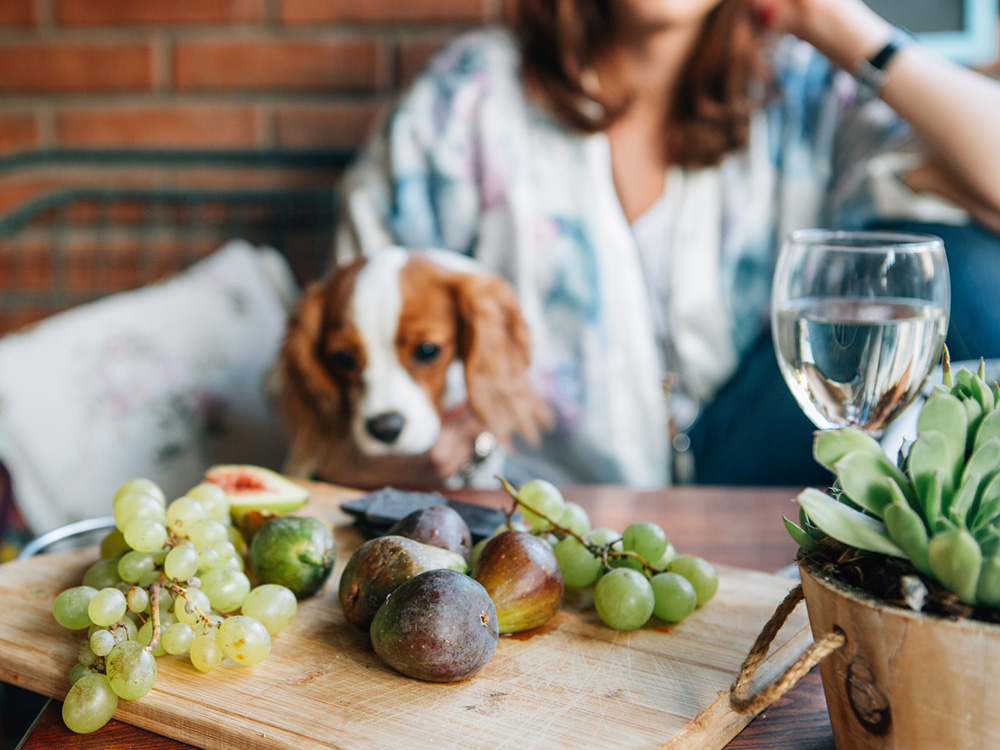
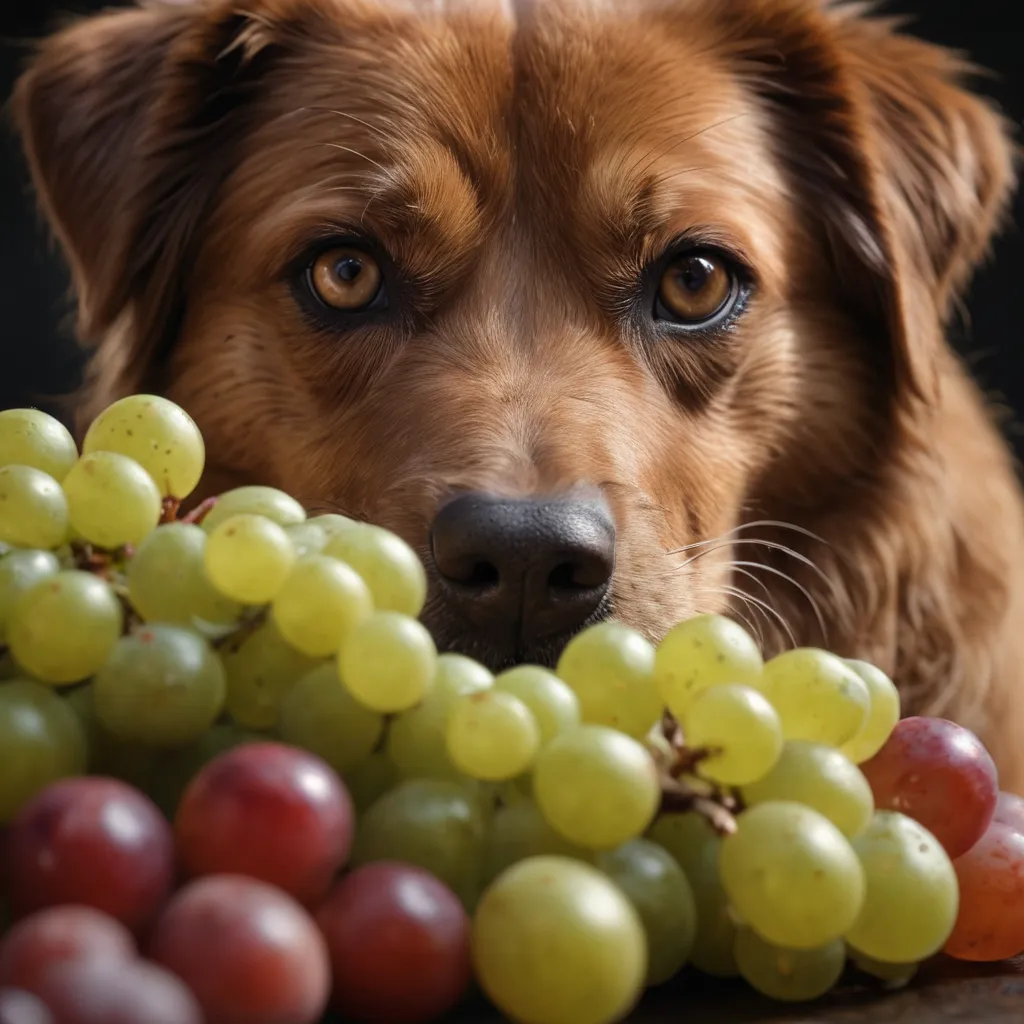
How can I prevent grape toxicity in my dog ? Preventing grape toxicity in dogs requires vigilance and awareness of the risks associated with grape consumption . To minimize the risk of toxicity, keep all types of grapes and grape products out of reach of your dog , including raisins, currants, grape juice, and wine.
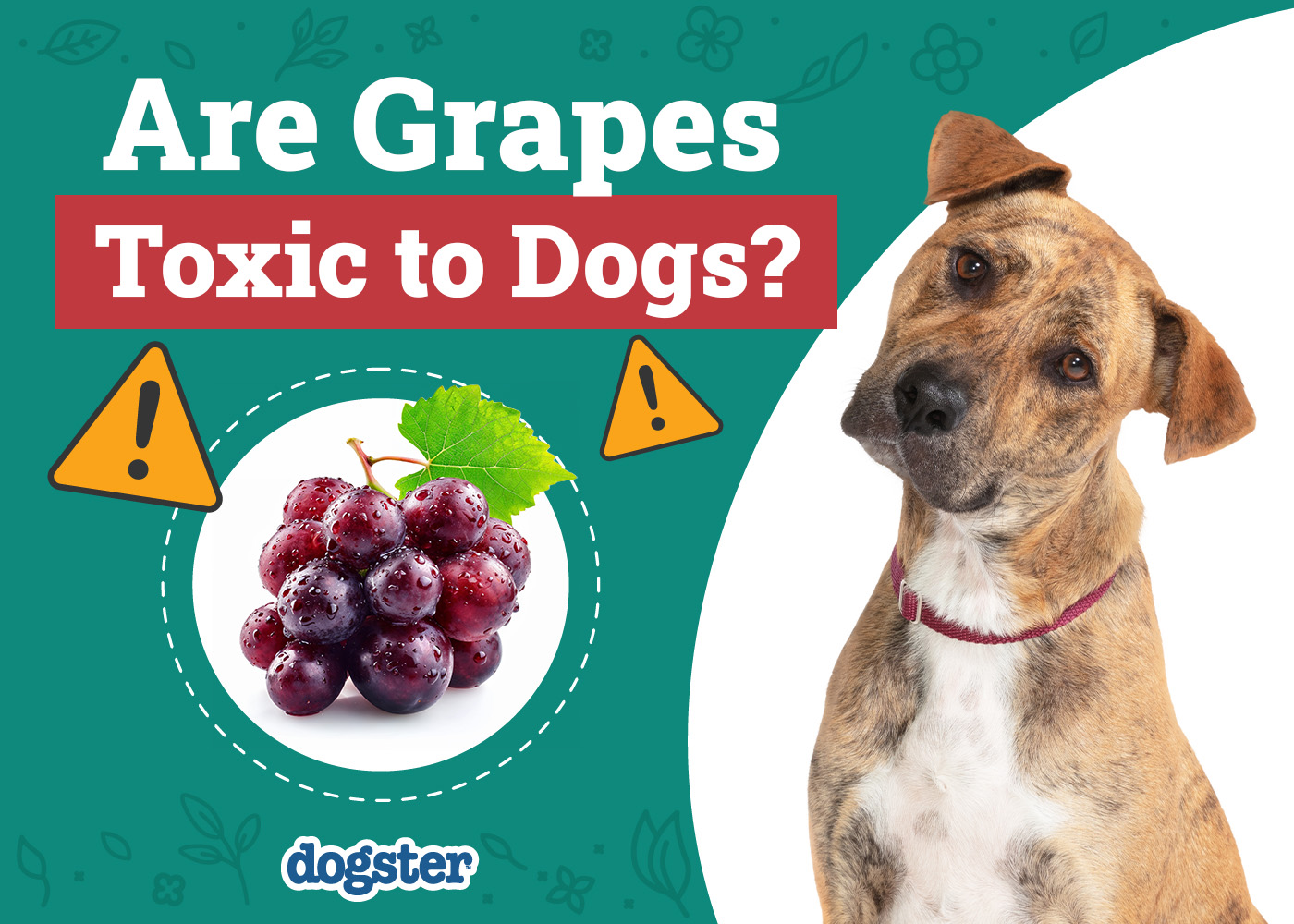
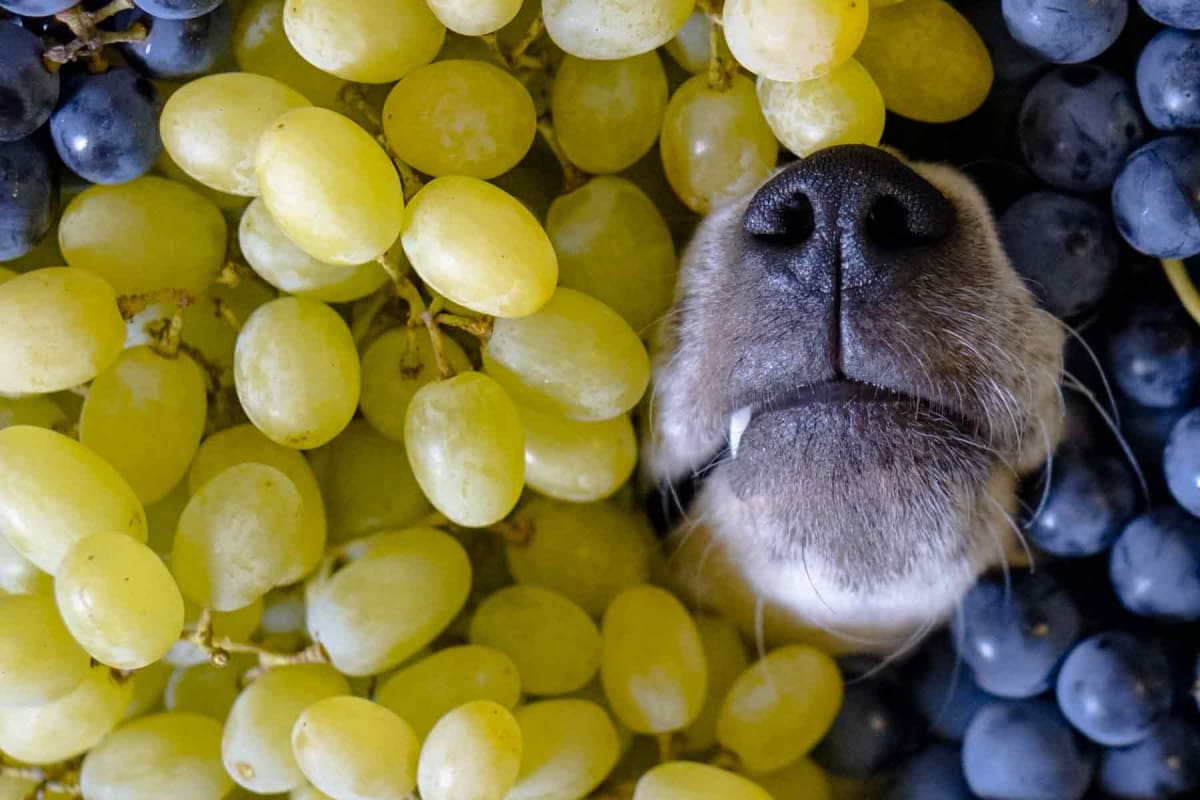
Overview Grape and raisin toxicosis happen when a dog ingests fruits from the Vitis genus. Eating grapes , raisins, Zante currants, or sultanas can cause acute kidney injury (AKI) in dogs . The exact amount of fruit that causes toxicity is unknown, and some dogs may become sicker than others. Since it's impossible to predict which dog will be affected or how much fruit will cause signs of ...
Understanding Signs Of Grape Consumption In Adult Dogs Before the Gallery
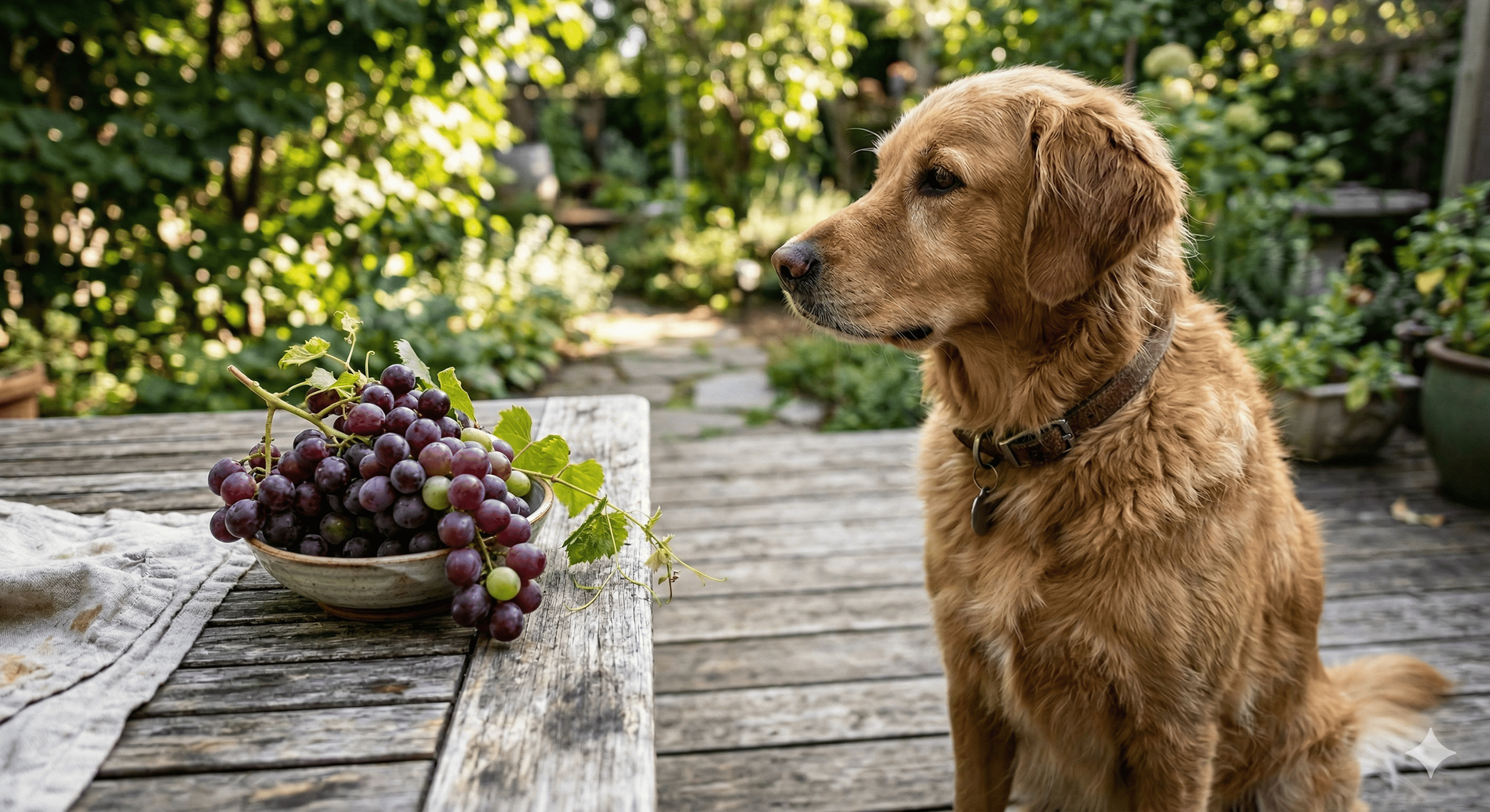
Can Dogs Eat Grapes? Risks, Symptoms, Toxicity, and What to Do. It gives the article a little more context before the image collection begins.
Understanding the Risks of Dogs Eating Grapes. It works as a short bridge between the article summary and the gallery section.
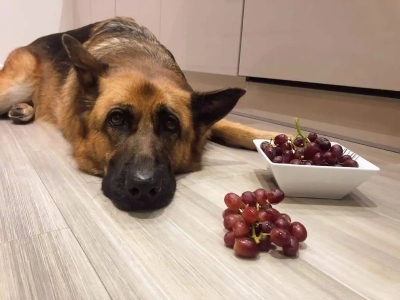
Symptoms of Grape Poisoning in Dogs | Can dogs eat grapes, Can dogs eat. This note connects the source idea with the visuals in a simple, reader-friendly way.
Looking at multiple sources also helps separate the main idea from small decorative details.
These notes are added so the page offers more than images and gives each visitor a clearer reason to keep reading.