threading Thread
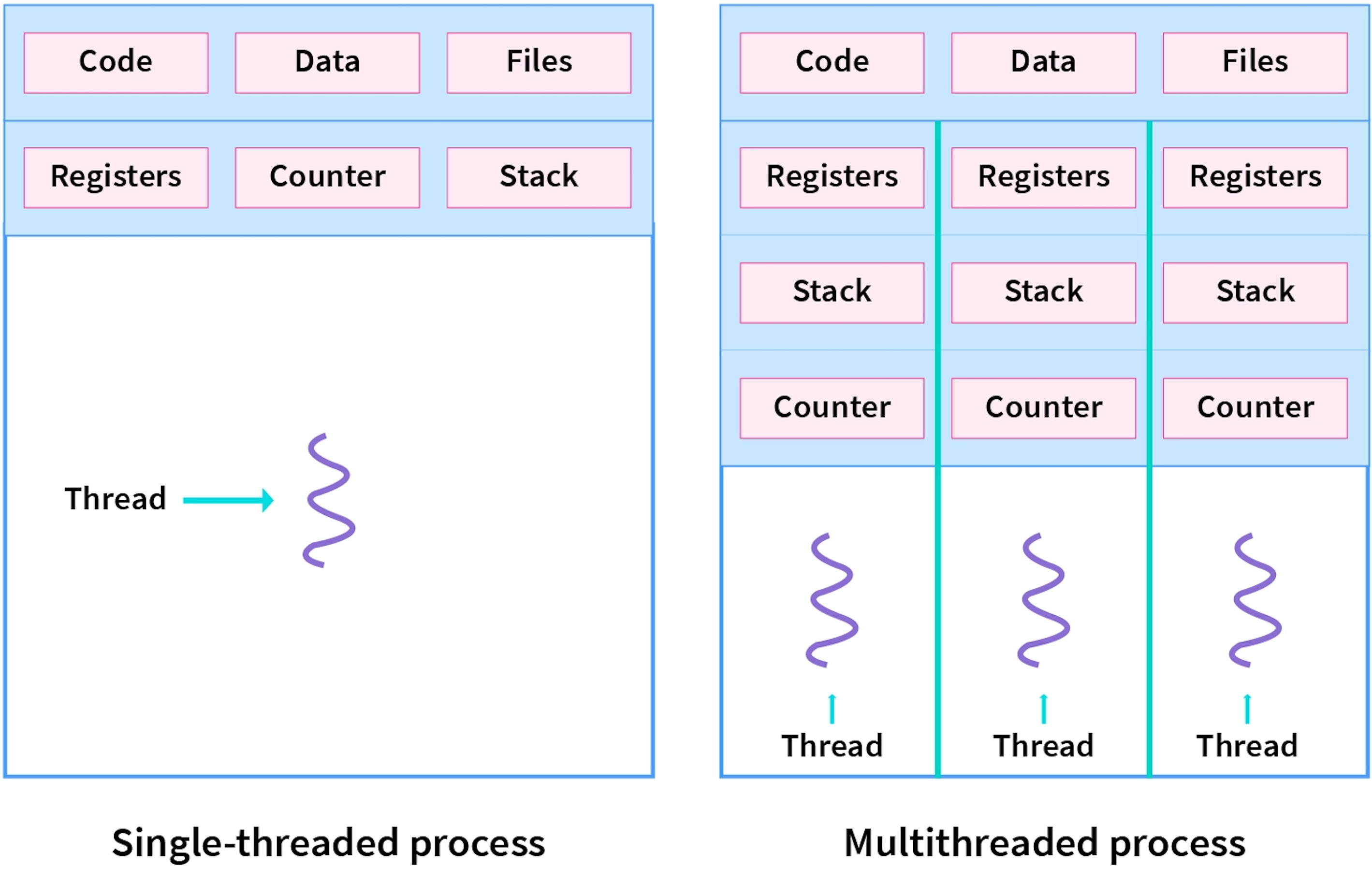
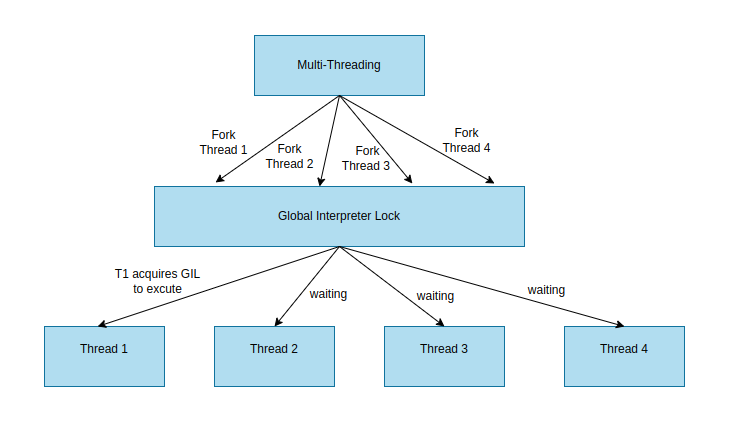
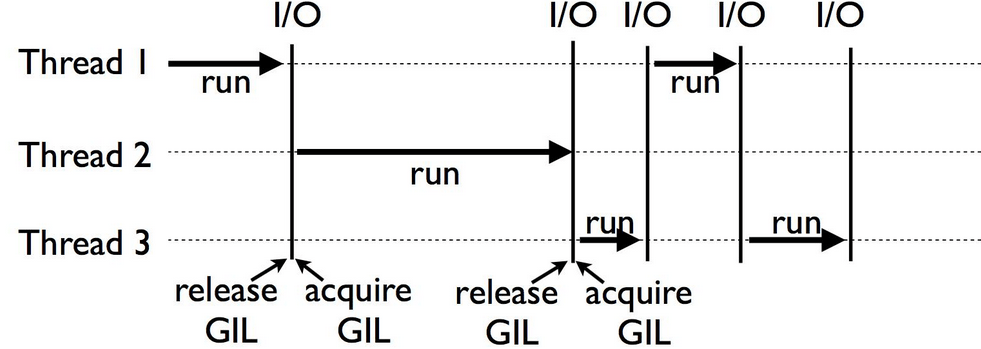
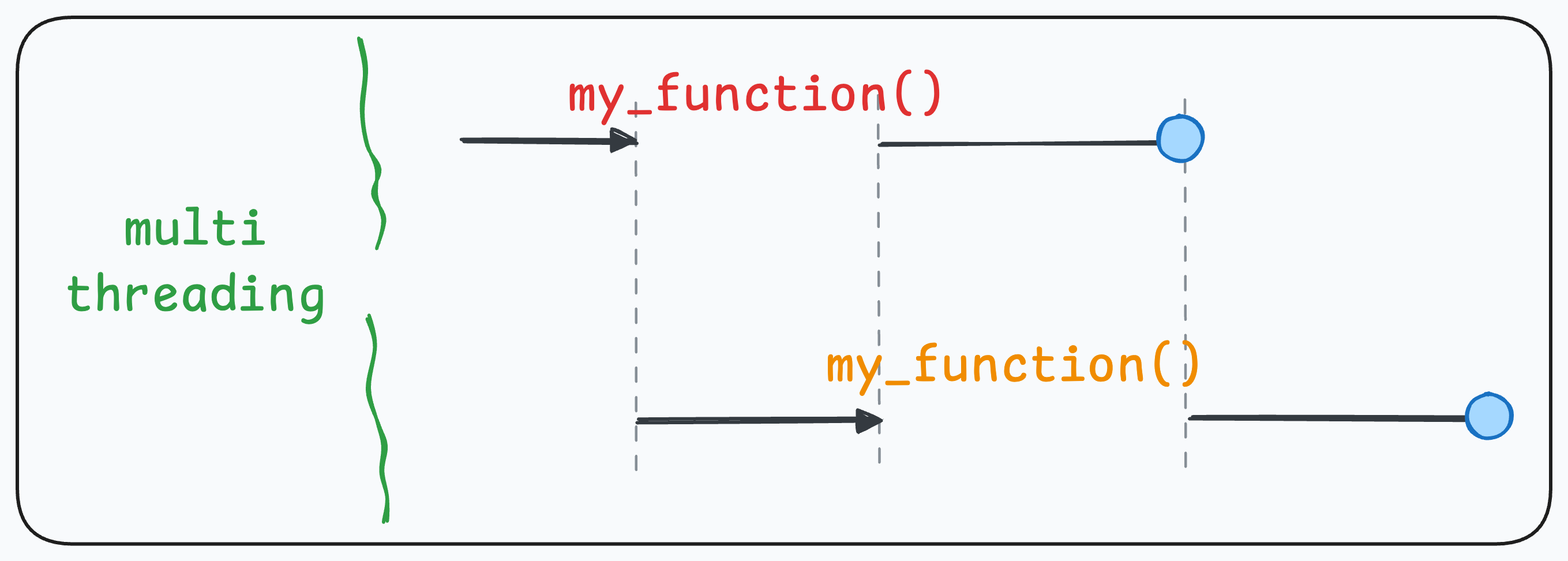
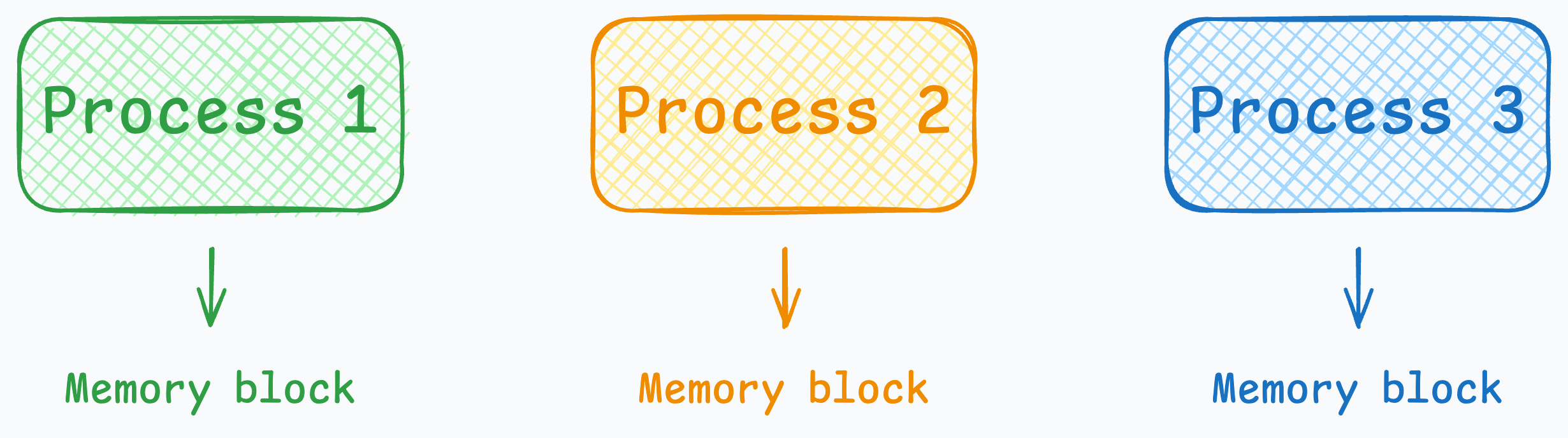
GIL and performance considerations ¶ Unlike the multiprocessing module , which uses separate processes to bypass the global interpreter lock (GIL), the threading module operates within a single process, meaning that all threads share the same memory space.
Python Global Interpreter Lock (GIL)
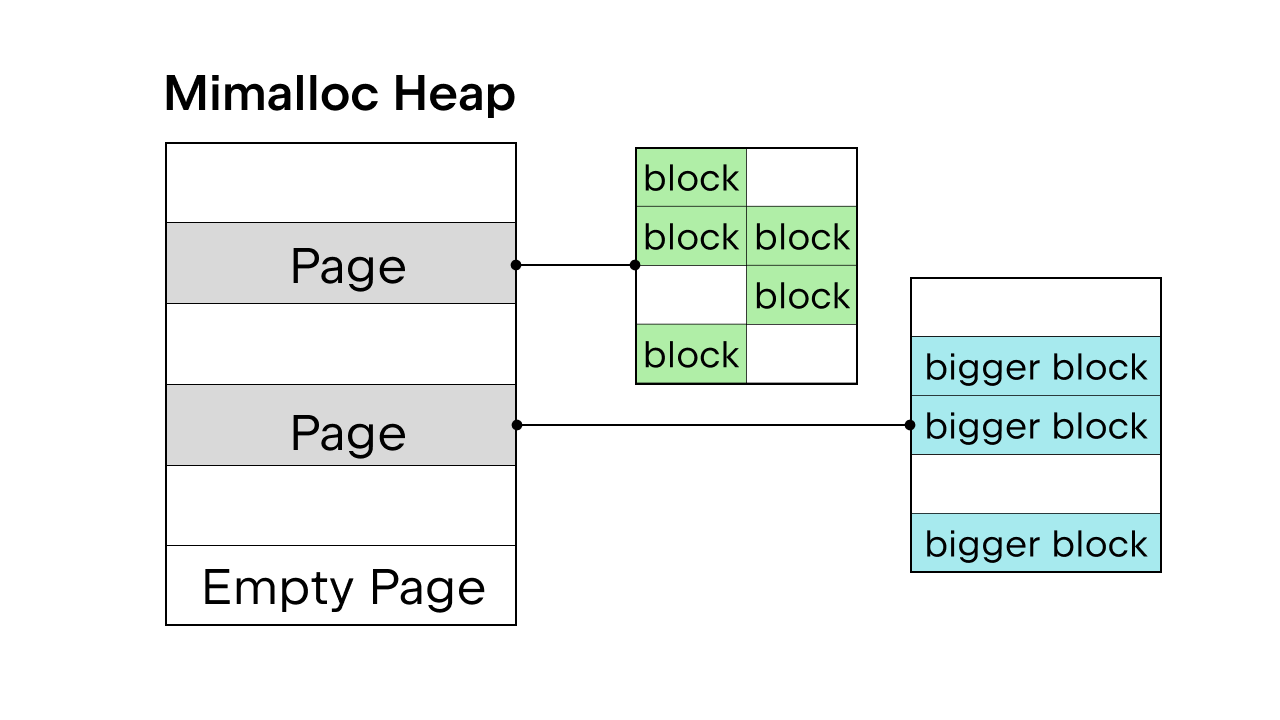
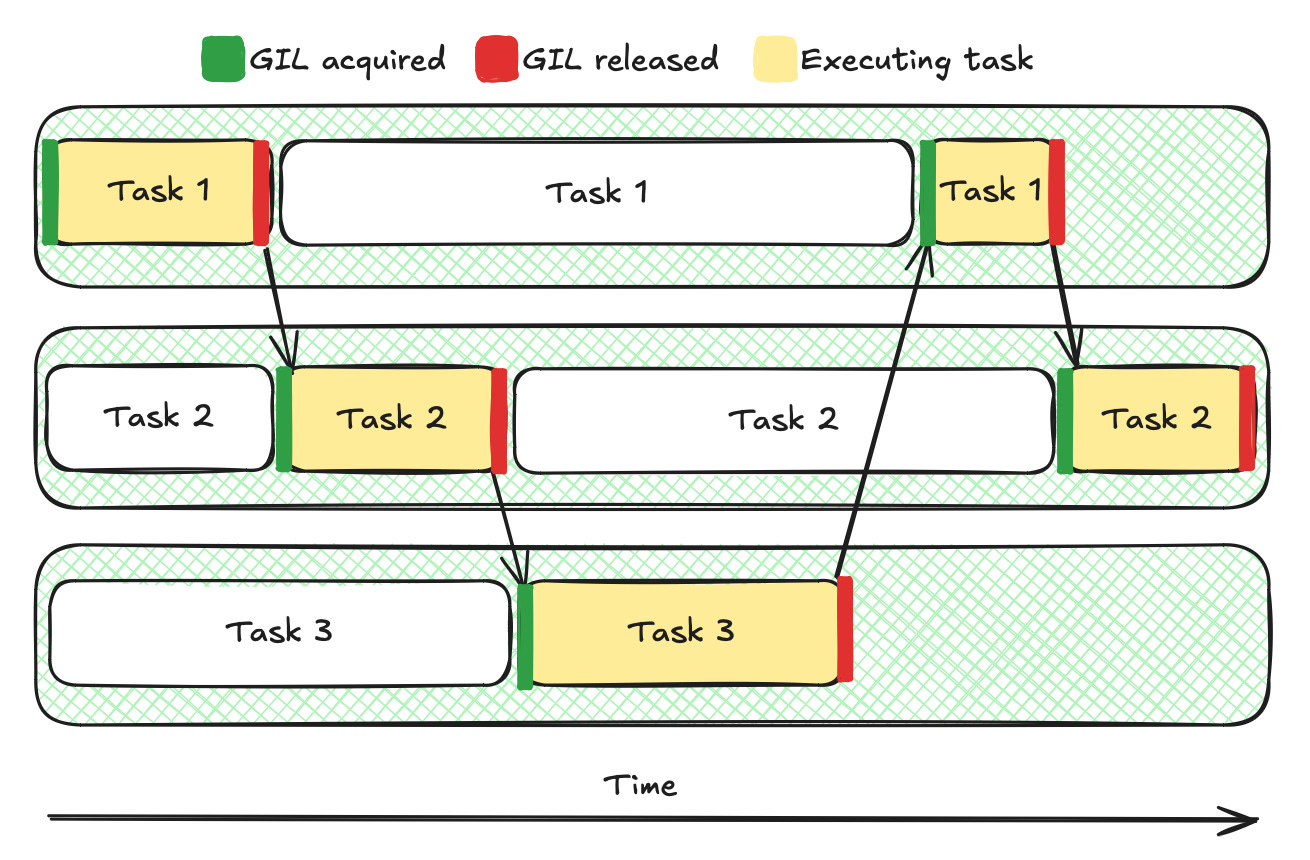
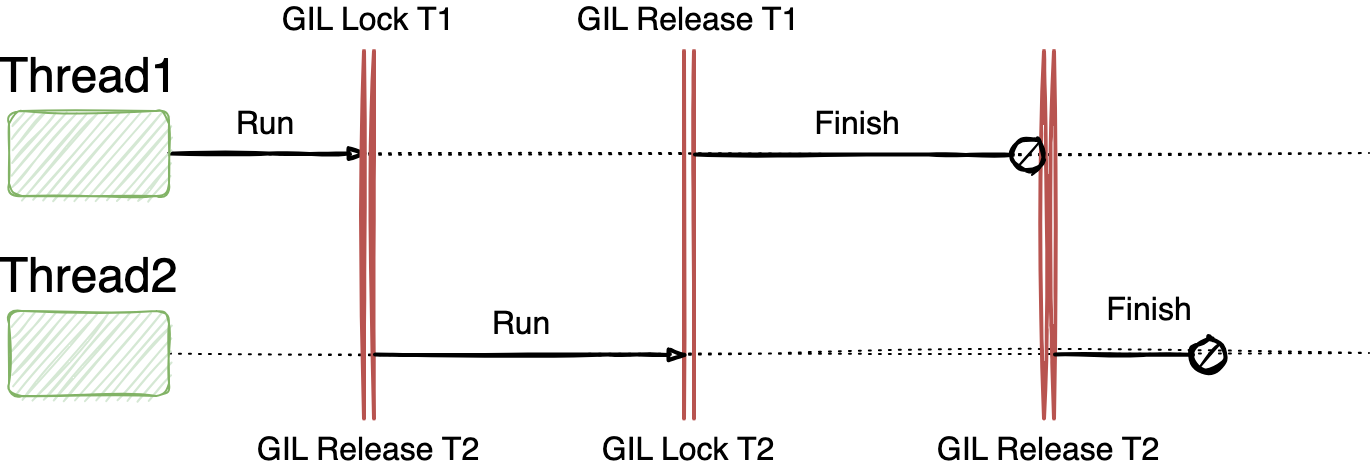
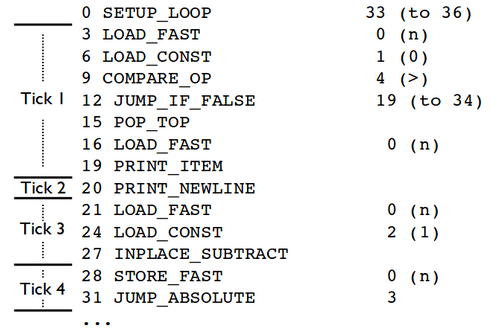
Furthermore, visual representations like the one above help us fully grasp the concept of Timing Python Global Interpreter Lock With Time Module.
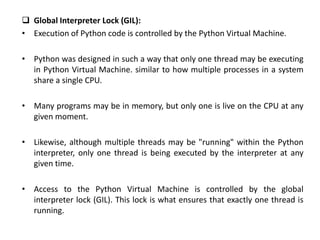
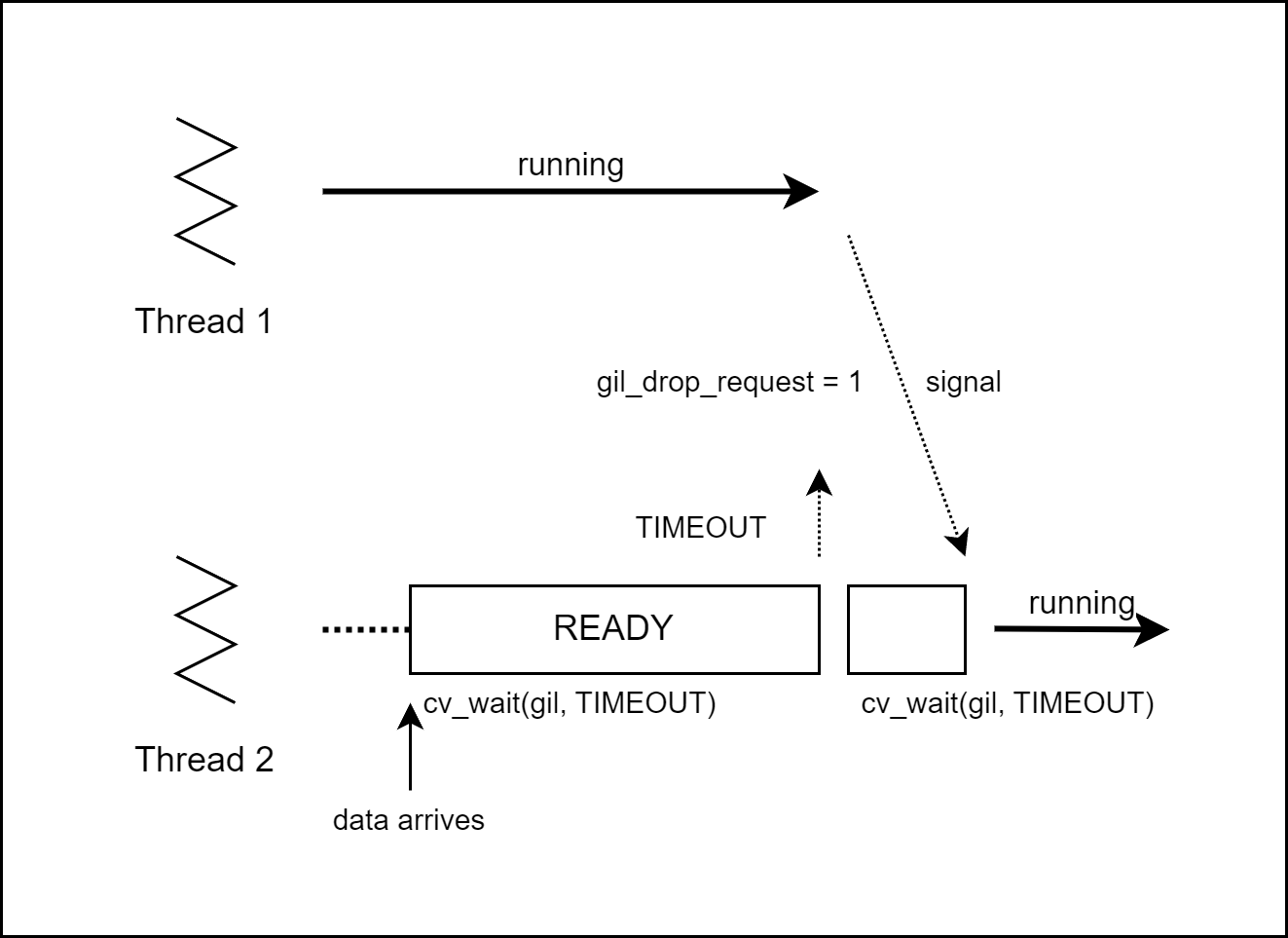
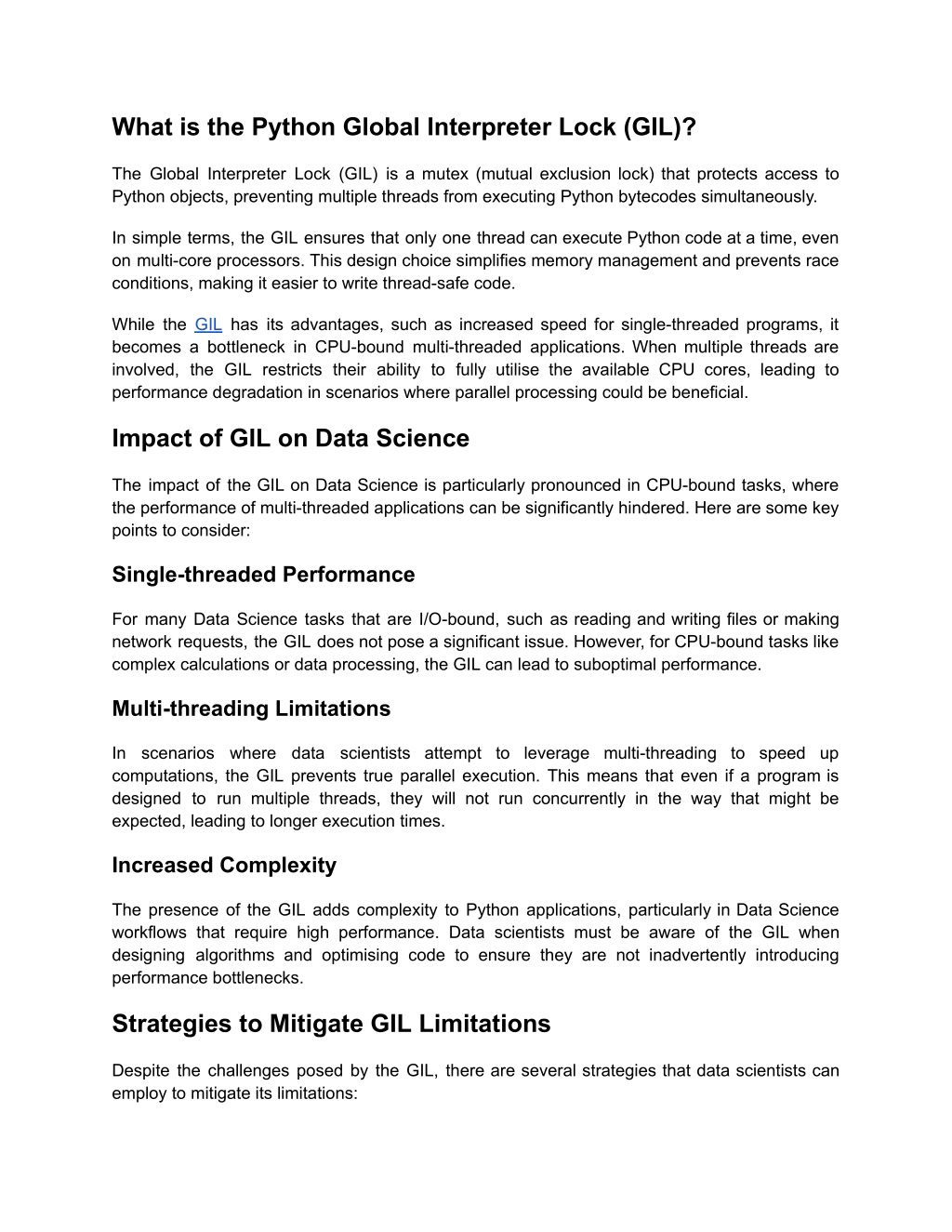
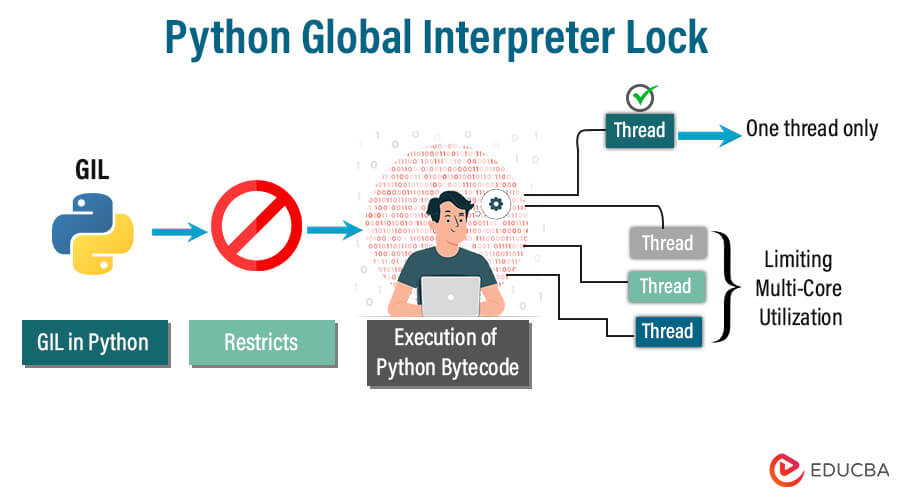
Understanding the Global Interpreter Lock (GIL): The GIL is a mutex that restricts the execution of Python bytecode to a single thread at a time within the CPython interpreter . This means that even on multi-core systems, only one thread can execute Python code simultaneously.
Python's Global Interpreter Lock or GIL, in simple words, is a mutex (or a lock ) that allows only one thread to hold the control of the Python interpreter at any one time . In this article you'll learn how the GIL affects the performance of your Python programs.
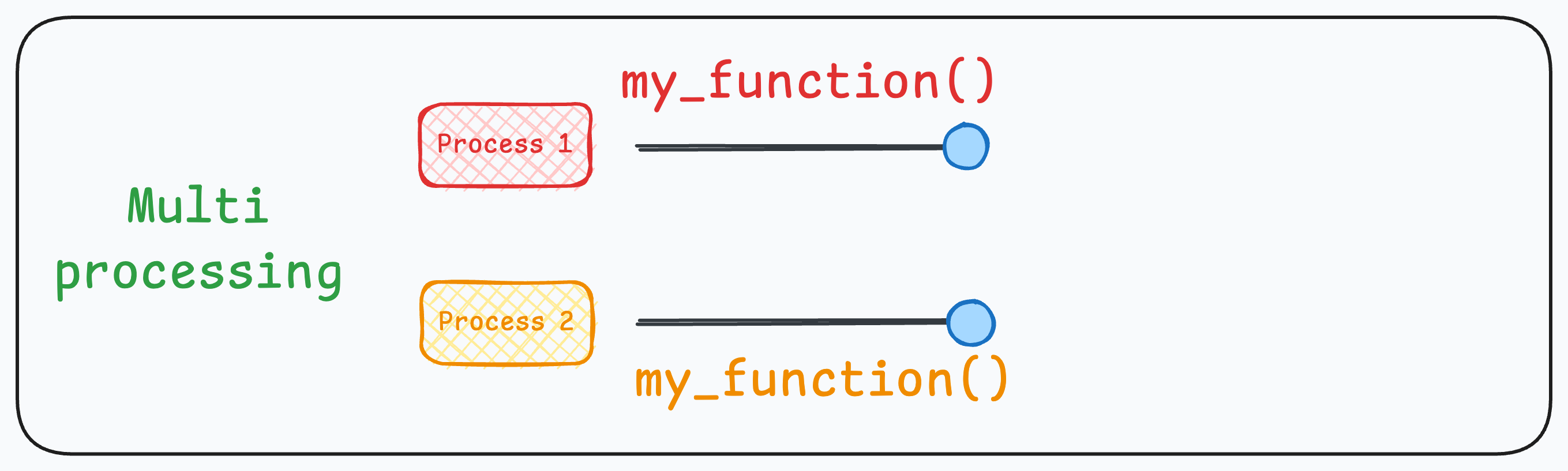
Furthermore, visual representations like the one above help us fully grasp the concept of Timing Python Global Interpreter Lock With Time Module.
Python Global Interpreter Lock
Understanding Timing Python Global Interpreter Lock With Time Module Before the Gallery
Faster Python: Unlocking the Python Global Interpreter Lock | The. This note connects the source idea with the visuals in a simple, reader-friendly way.
Python Global Interpreter Lock Tutorial | DataCamp. It gives the article a little more context before the image collection begins.
Understanding the Global Interpreter Lock (GIL) in Python 3.13 | by. This note connects the source idea with the visuals in a simple, reader-friendly way.
Looking at multiple sources also helps separate the main idea from small decorative details.
These notes are added so the page offers more than images and gives each visitor a clearer reason to keep reading.